Lindy List: 7 Self-Help Books That Actually Lasted

Updated July 8, 2026 · 7 books

Self-help is the fastest-aging genre in publishing. Most of it expires within five years. These seven books are the exceptions: the youngest has survived 35 years, the oldest nearly 1,900.

The Lindy logic is simple. Every year a book keeps selling is evidence it works across generations, cultures, and circumstances, not just in the mood of one decade. Marcus Aurelius has coached more people through hard times than every podcast combined, and he’s had eighteen centuries of five-star reviews.

If you’re new to the genre, this list is the shortcut: skip the imitators, read the sources they imitate.

Quick Comparison

#BookAuthorBest for
1MeditationsMarcus Aureliusanyone who wants stoicism from the source, in the best modern translationAmazon
2Letters from a StoicSenecareaders who found Meditations too fragmentary and want stoicism with a human voiceAmazon
3How to Win Friends and Influence PeopleDale Carnegieanyone whose work or life involves other people, so, everyoneAmazon
4Man's Search for MeaningViktor E. Franklanyone facing suffering they can't change, which is eventually everyoneAmazon
5The 7 Habits of Highly Effective PeopleStephen R. Coveyanyone who wants principles that work at home and at work, not just productivity hacksAmazon
6InfluenceRobert B. Cialdinimarketers, salespeople, and anyone who wants to spot manipulation before it worksAmazon
7FlowMihaly Csikszentmihalyianyone who's felt time disappear during hard work and wants more of thatAmazon

The Books

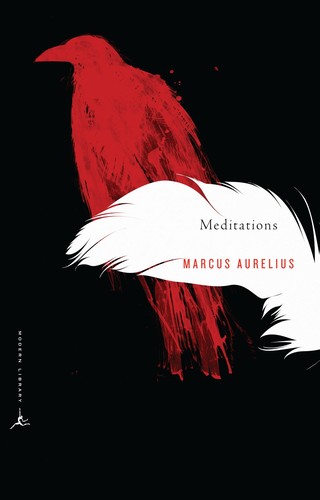
Meditations by Marcus Aurelius book cover

1. Meditations

Marcus Aurelius · 180

The private journal of a Roman emperor, never meant for publication. The lindiest book on this site.

Marcus Aurelius ruled the known world and wrote himself notes about staying decent, mortal, and calm while doing it. Nothing written since says more with less: you have power over your mind, not events. Get the Gregory Hays translation; it reads like it was written this year, not eighteen centuries ago.

Read it if: anyone who wants stoicism from the source, in the best modern translation

Skip it if: you need narrative structure (it's fragments, repetitions, and reminders to himself)
Full verdict: Meditations →

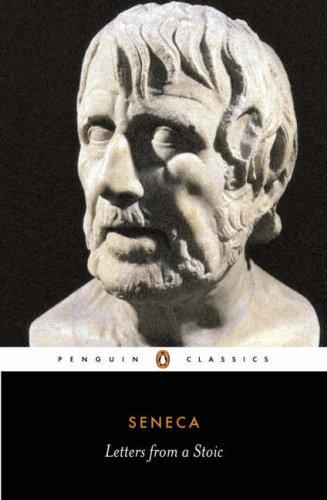
Letters from a Stoic by Seneca book cover

2. Letters from a Stoic

Seneca · 65

Advice letters from the richest philosopher in Rome. Warm, practical, and two thousand years fresh.

Seneca writes to his friend Lucilius about time, grief, wealth, and mortality like a mentor who’s seen everything. More approachable than Marcus Aurelius, more organized than Epictetus. “It is not that we have a short time to live, but that we waste a lot of it” alone has outlived empires.

Read it if: readers who found Meditations too fragmentary and want stoicism with a human voice

Skip it if: you're bothered that Seneca preached simplicity while being rich (fair, and he addresses it)

Full verdict: Letters from a Stoic →

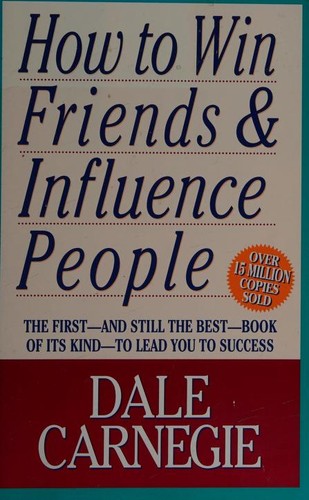
How to Win Friends and Influence People by Dale Carnegie book cover

3. How to Win Friends and Influence People

Dale Carnegie · 1936

Ninety years old, still the best manual on getting along with humans ever written.

Become genuinely interested in people. Remember names. Admit mistakes fast. Let others save face. Every principle sounds obvious, and almost nobody does them consistently. The 1930s anecdotes are the charm, not the flaw. Careers built on this book keep it selling a century later.

Read it if: anyone whose work or life involves other people, so, everyone

Skip it if: you read the principles as manipulation (used cynically, they backfire, and Carnegie says so)

Full verdict: How to Win Friends and Influence People →

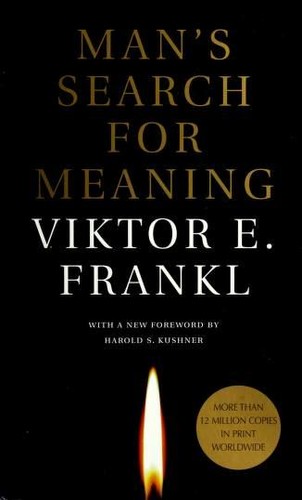
Man's Search for Meaning by Viktor E. Frankl book cover

4. Man's Search for Meaning

Viktor E. Frankl · 1946

A psychiatrist survives the camps and emerges with one claim: meaning, not happiness, keeps people alive.

Half memoir of Auschwitz, half introduction to logotherapy. Frankl’s observation (those who had a why survived the how) has carried this book through nearly eighty years and dozens of languages. Between stimulus and response there is a space, and in that space is your freedom. Short enough to read in two sittings. Stays with you for decades.

Read it if: anyone facing suffering they can't change, which is eventually everyone

Skip it if: nobody. If one book on this site is unskippable, it's this one.

Full verdict: Man's Search for Meaning →

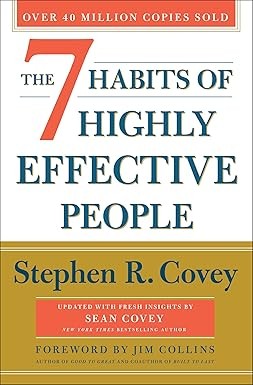
The 7 Habits of Highly Effective People by Stephen R. Covey book cover

5. The 7 Habits of Highly Effective People

Stephen R. Covey · 1989

Thirty-five years old and still the most complete personal effectiveness system in print.

Begin with the end in mind. Seek first to understand. The habits sound like posters now because Covey wrote them first and everyone copied. Underneath the familiar phrases is a real system built on character rather than technique, which is why it outlasted every productivity fad since 1989.

Read it if: anyone who wants principles that work at home and at work, not just productivity hacks

Skip it if: corporate-workshop language makes you break out in hives (Covey invented some of it)

Full verdict: The 7 Habits of Highly Effective People →

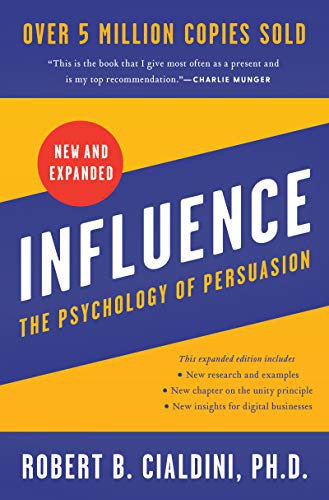
Influence by Robert B. Cialdini book cover

6. Influence

Robert B. Cialdini · 1984

The seven levers of persuasion, from the researcher who went undercover to find them.

Cialdini trained inside sales organizations and cults to document how compliance actually happens: reciprocity, commitment, social proof, authority, liking, scarcity, and (new in the expanded edition) unity. Forty years later it doubles as a defense manual, since every funnel and pricing page you see runs on these levers.

Read it if: marketers, salespeople, and anyone who wants to spot manipulation before it works

Skip it if: you've read any modern marketing book (they all borrowed this one's skeleton)

Full verdict: Influence →

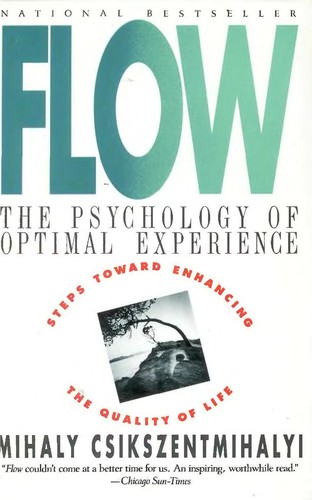
Flow by Mihaly Csikszentmihalyi book cover

7. Flow

Mihaly Csikszentmihalyi · 1990

The psychology of optimal experience. Where the science of being lost in your work began.

Csikszentmihalyi spent decades studying when people report being happiest: not relaxing, but absorbed in challenges that stretch their skills with clear goals and immediate feedback. Every book about focus, deep work, and engagement built on this foundation. Academic in tone, permanent in influence.

Read it if: anyone who's felt time disappear during hard work and wants more of that

Skip it if: you want implementation steps (Deep Work operationalizes what this book theorizes)

Full verdict: Flow →

Frequently Asked Questions

What is the oldest self-help book worth reading?

Meditations by Marcus Aurelius, written around 180 AD. It was the private journal of a Roman emperor, never intended for readers, which is exactly why it's more honest than anything published since.

Why read old self-help books instead of new ones?

Because time is the only reviewer that can't be bought. A book still read after 50 years has helped multiple generations through different worlds. Most new releases repackage these originals with fresher anecdotes and weaker thinking.

Is How to Win Friends and Influence People outdated?

The examples are from the 1930s, the principles aren't. Genuine interest, remembering names, admitting fault fast. Human social wiring hasn't changed since Carnegie wrote it, which is why it still sells millions of copies.

What's the newest book on this list, and why include it?

The 7 Habits (1989) and Flow (1990), both about 35 years old. That's young for a Lindy List, but both have outlived every productivity and happiness fad since, and both are cited more now than at publication.

Keep Reading