Best Psychology Books for Beginners: 8 Ranked by Readability

Updated July 8, 2026 · 8 books

The best psychology books for beginners are ordered here by readability, not importance. Start with Gilbert’s Stumbling on Happiness, the funniest real science book in the field, and work toward Kahneman’s Thinking, Fast and Slow, the densest and most rewarding.

That ordering matters. Most beginners quit psychology books because they started with the hardest one. Read this list top to bottom and each book quietly teaches the vocabulary the next one assumes: biases from Ariely, persuasion from Cialdini, emotion and reason from Haidt.

All eight are by researchers, not gurus. That’s the filter that kept this list honest.

Quick Comparison

#BookAuthorBest for
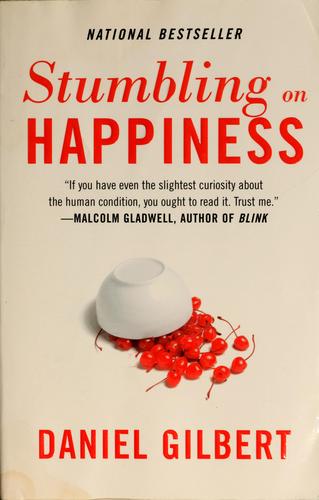
1Stumbling on HappinessDaniel Gilbertanyone making a big life decision based on how they think they'll feel laterAmazon
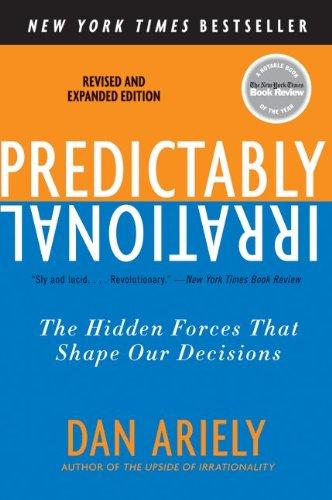
2Predictably IrrationalDan Arielybeginners who want behavioral economics made fun instead of academicAmazon
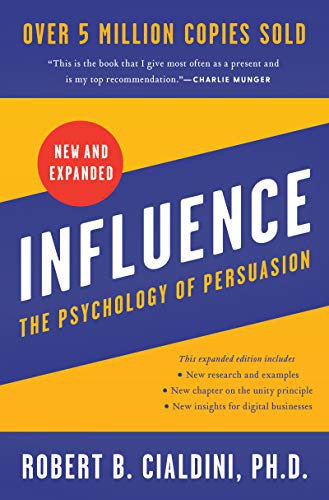
3InfluenceRobert B. Cialdinimarketers, salespeople, and anyone who wants to spot manipulation before it worksAmazon
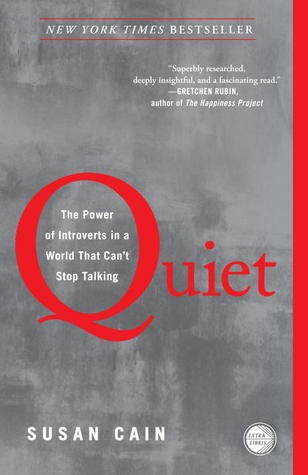
4QuietSusan Cainintroverts navigating extrovert-built workplaces, and the people who manage themAmazon
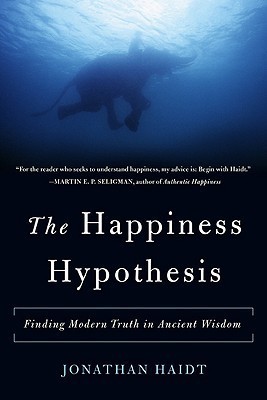
5The Happiness HypothesisJonathan Haidtreaders who want serious psychology connected to Buddha, the Stoics, and scriptureAmazon
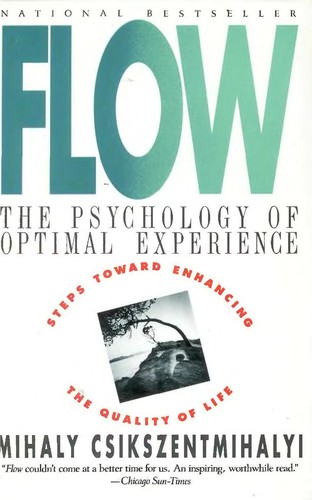
6FlowMihaly Csikszentmihalyianyone who's felt time disappear during hard work and wants more of thatAmazon
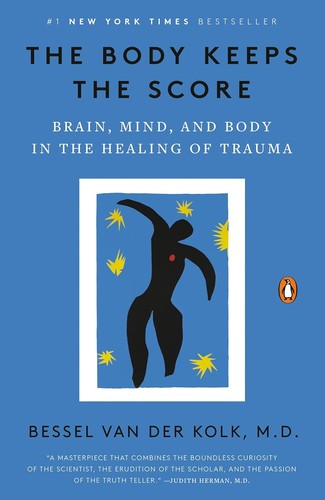
7The Body Keeps the ScoreBessel van der Kolktrauma survivors, their families, and anyone in a helping professionAmazon
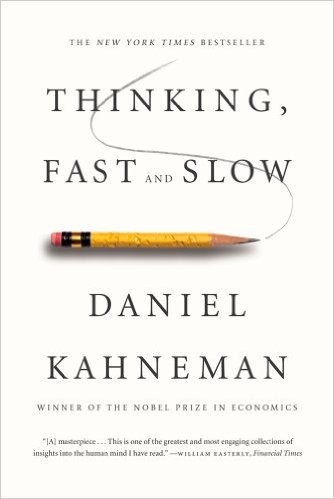
8Thinking, Fast and SlowDaniel Kahnemanreaders who want the full science behind biases, not the blog-post versionAmazon

The Books

Stumbling on Happiness by Daniel Gilbert book cover

1. Stumbling on Happiness

Daniel Gilbert · 2006

You're bad at predicting what will make you happy. A Harvard psychologist explains why, hilariously.

Gilbert’s subject is affective forecasting: the imagination errors that make us chase promotions, purchases, and moves that won’t deliver. His fix is unpopular and correct: instead of imagining a future, ask someone who’s already living it. The funniest serious psychology book on any shelf.

Read it if: anyone making a big life decision based on how they think they'll feel later

Skip it if: you expect a how-to-be-happy manual (it's a how-your-brain-lies-to-you manual)
Full verdict: Stumbling on Happiness →

Predictably Irrational by Dan Ariely book cover

2. Predictably Irrational

Dan Ariely · 2008

You're irrational in consistent, exploitable patterns. Ariely proves it with clever experiments.

Why free costs us money, why we overvalue what we own, why expectations change what we taste. Ariely’s experiments are memorable and the writing is the friendliest in behavioral economics. Read it as an entertaining introduction, hold specific findings loosely, and graduate to Kahneman when you want depth.

Read it if: beginners who want behavioral economics made fun instead of academic

Skip it if: you demand bulletproof research (some of Ariely's later work drew serious scrutiny)

Full verdict: Predictably Irrational →

Influence by Robert B. Cialdini book cover

3. Influence

Robert B. Cialdini · 1984

The seven levers of persuasion, from the researcher who went undercover to find them.

Cialdini trained inside sales organizations and cults to document how compliance actually happens: reciprocity, commitment, social proof, authority, liking, scarcity, and (new in the expanded edition) unity. Forty years later it doubles as a defense manual, since every funnel and pricing page you see runs on these levers.

Read it if: marketers, salespeople, and anyone who wants to spot manipulation before it works

Skip it if: you've read any modern marketing book (they all borrowed this one's skeleton)

Full verdict: Influence →

Quiet by Susan Cain book cover

4. Quiet

Susan Cain · 2012

Introverts aren't broken extroverts. The book that made a third of the population feel seen.

Cain traces how American culture shifted from valuing character to valuing personality, then shows what gets lost when quiet people are pushed to perform: deep work, careful decisions, and the leadership style that actually listens. Rigorous where it needs to be, personal where it counts.

Read it if: introverts navigating extrovert-built workplaces, and the people who manage them

Skip it if: you want self-improvement tactics (this is research and argument, not a workbook)

Full verdict: Quiet →

The Happiness Hypothesis by Jonathan Haidt book cover

5. The Happiness Hypothesis

Jonathan Haidt · 2006

Ancient wisdom, tested against modern psychology. The rider and the elephant live here.

Haidt takes ten great ideas from ancient traditions and checks each against the research: does adversity make you stronger, does virtue bring happiness, is happiness inside you? His rider-and-elephant metaphor for reason and emotion became the standard model in half the books written since. The thinking person’s happiness book.

Read it if: readers who want serious psychology connected to Buddha, the Stoics, and scripture

Skip it if: you want quick happiness tips (Haidt is a professor and writes like the good kind)

Full verdict: The Happiness Hypothesis →

Flow by Mihaly Csikszentmihalyi book cover

6. Flow

Mihaly Csikszentmihalyi · 1990

The psychology of optimal experience. Where the science of being lost in your work began.

Csikszentmihalyi spent decades studying when people report being happiest: not relaxing, but absorbed in challenges that stretch their skills with clear goals and immediate feedback. Every book about focus, deep work, and engagement built on this foundation. Academic in tone, permanent in influence.

Read it if: anyone who's felt time disappear during hard work and wants more of that

Skip it if: you want implementation steps (Deep Work operationalizes what this book theorizes)

Full verdict: Flow →

The Body Keeps the Score by Bessel van der Kolk book cover

7. The Body Keeps the Score

Bessel van der Kolk · 2014

Trauma lives in the body, not just the mind. The book that changed how the world talks about it.

Van der Kolk spent forty years treating trauma and explains why talk alone often isn’t enough: trauma reshapes brain and body, so recovery runs through both. Some claims outrun the evidence and clinicians debate parts. Its influence is not debatable. Years on the bestseller list because it names what millions couldn’t.

Read it if: trauma survivors, their families, and anyone in a helping profession

Skip it if: you're in acute crisis (the case studies are heavy; work with a professional first)

Full verdict: The Body Keeps the Score →

Thinking, Fast and Slow by Daniel Kahneman book cover

8. Thinking, Fast and Slow

Daniel Kahneman · 2011

A Nobel laureate's map of every way your brain fools you. Dense, and worth every page.

System 1 thinks fast and automatically; System 2 thinks slow and lazily. From that split, Kahneman explains anchoring, loss aversion, overconfidence, and why experts’ predictions fail. Some priming studies from the middle chapters failed replication, and Kahneman acknowledged it. The core framework remains the standard. Every other behavioral book cites this one.

Read it if: readers who want the full science behind biases, not the blog-post version

Skip it if: you want a light read (this is a textbook wearing a trade paperback cover)

Full verdict: Thinking, Fast and Slow →

Frequently Asked Questions

What is the best psychology book for a beginner?

Stumbling on Happiness by Daniel Gilbert. It's genuinely funny, scientifically serious, and about a topic everyone cares about, which makes it the easiest on-ramp into real psychology. Predictably Irrational is a close second.

Is Thinking, Fast and Slow too hard for beginners?

It's dense but not impenetrable. Read it last on this list rather than first, and take it in small doses. By the time you've read Ariely and Cialdini, half of Kahneman's ideas will already feel familiar, because they built on his work.

What psychology book explains people's behavior best?

Influence by Robert Cialdini. Seven principles explain a remarkable amount of everyday behavior, from why free samples work to why cults keep members. It's also the most immediately usable book on this list.

Do I need a psychology background to read these?

No. All eight were written for general readers by researchers who can actually write. The list is ordered so each book prepares you for the next.

Keep Reading