Best Business Books: 10 That Are Actually Worth Your Time

Updated July 8, 2026 · 10 books

The best business books are Zero to One for strategy, The Hard Thing About Hard Things for management under fire, and The Personal MBA for fundamentals. Those three cover thinking, surviving, and vocabulary. The rest of this list fills specific gaps.

We ranked these ten by one measure: how much they change what you do after reading. Story-driven books like Shoe Dog made the cut because the chaos they document is the truest thing ever put in a business book. Framework books made it only if operators still use the framework years later.

What didn’t make it: airport books with one idea and forty case studies, and anything that reads like a LinkedIn post stretched to 300 pages.

Quick Comparison

#BookAuthorBest for
1Zero to OnePeter Thielfounders and operators who want to think about monopoly, secrets, and definite optimismAmazon
2The Hard Thing About Hard ThingsBen Horowitzfounders and executives dealing with problems no framework coversAmazon
3The Lean StartupEric Riesfounders about to spend months building something nobody asked forAmazon
4The E-Myth RevisitedMichael E. Gerbersmall business owners drowning in their own operationsAmazon
5Shoe DogPhil Knightanyone building something who needs to know the chaos is normalAmazon
6The Personal MBAJosh Kaufmanself-taught operators who want the full map of business fundamentalsAmazon
7$100M OffersAlex Hormozianyone selling anything who suspects their offer, not their marketing, is the problemAmazon
8The OutsidersWilliam N. Thorndikeinvestors and operators who want to understand capital allocationAmazon
9Buy Back Your TimeDan Martellfounders and operators doing $10/hour tasks with $500/hour potentialAmazon
10Sam Walton: Made in AmericaSam Waltonoperators who want to see obsessive retail execution from the insideAmazon

The Books

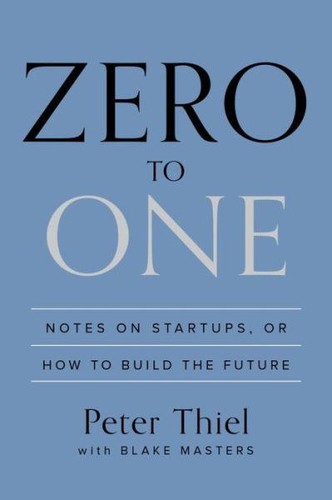
Zero to One by Peter Thiel book cover

1. Zero to One

Peter Thiel · 2014

Competition is for losers. The most contrarian startup book worth arguing with.

Thiel doesn’t teach you how to run a company. He teaches you how to think about what’s worth building: go from zero to one instead of copying what works, find secrets others ignore, aim for monopoly instead of competition. You’ll disagree with a third of it. That’s the point. Few business books make you think this hard per page.

Read it if: founders and operators who want to think about monopoly, secrets, and definite optimism

Skip it if: you're running a small business, not a startup (Thiel's advice targets venture-scale bets)
Full verdict: Zero to One →

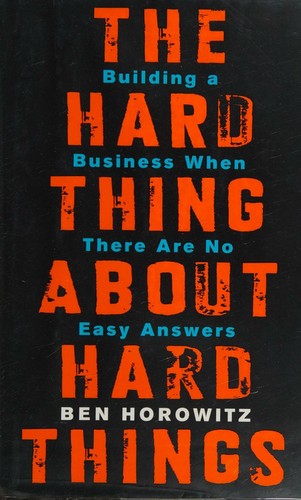
The Hard Thing About Hard Things by Ben Horowitz book cover

2. The Hard Thing About Hard Things

Ben Horowitz · 2014

The only management book written from inside the fire. Layoffs, demotions, near-bankruptcy, all of it.

Most business books describe what to do when things go right. Horowitz writes about firing your friend, telling the truth during layoffs, and managing your own psychology when the company is dying. No clean answers, which is honest, because hard things don’t have them. The most quoted management book among actual operators for a reason.

Read it if: founders and executives dealing with problems no framework covers

Skip it if: you're pre-launch (the pain described here won't map to anything yet)

Full verdict: The Hard Thing About Hard Things →

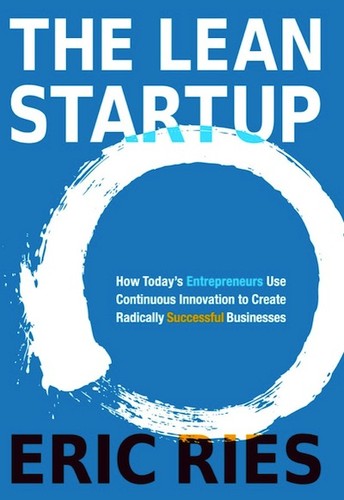
The Lean Startup by Eric Ries book cover

3. The Lean Startup

Eric Ries · 2011

Build, measure, learn. The book that taught startups to test before they build.

The vocabulary this book introduced (MVP, pivot, validated learning) became standard because the underlying idea is right: your business plan is a stack of untested assumptions, so test the riskiest ones cheaply before betting everything. The middle chapters drag with case studies. The framework in the first third is what you’re paying for.

Read it if: founders about to spend months building something nobody asked for

Skip it if: you already work in a product team that ships MVPs (this is your daily job in book form)

Full verdict: The Lean Startup →

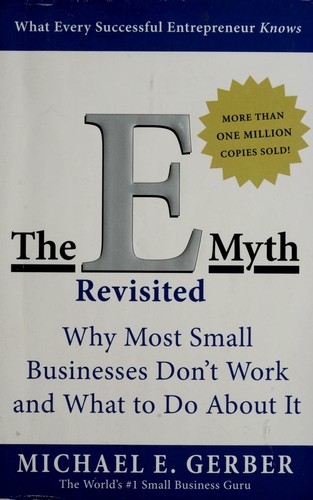
The E-Myth Revisited by Michael E. Gerber book cover

4. The E-Myth Revisited

Michael E. Gerber · 1995

You don't own a business. You own a job. Gerber explains how to fix that.

The core insight has saved thousands of small businesses: being good at the work (the technician) is not the same as building a business that does the work. Work on your business, not in it. Systematize everything as if you’ll franchise it. The fictional dialogue with Sarah the pie shop owner gets repetitive, but the framework underneath is permanent.

Read it if: small business owners drowning in their own operations

Skip it if: you're building a venture-backed startup (this is for bakeries, agencies, and trades)

Full verdict: The E-Myth Revisited →

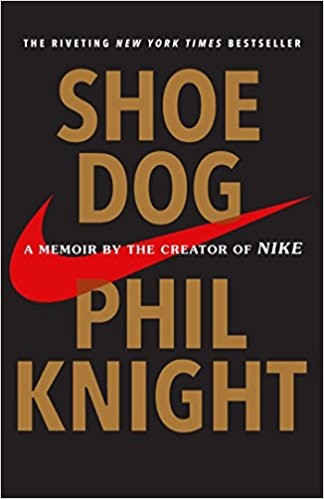
Shoe Dog by Phil Knight book cover

5. Shoe Dog

Phil Knight · 2016

Nike's founding story, told with more honesty than any founder memoir before or since.

Knight spent Nike’s first decade one bank meeting away from bankruptcy, and he writes about it like a novelist, not a victory-lap billionaire. No lessons in bullet points, no false modesty. The best business memoir in print because it admits how much was desperation and luck.

Read it if: anyone building something who needs to know the chaos is normal

Skip it if: you want frameworks and takeaways (this is a story, and better for it)

Full verdict: Shoe Dog →

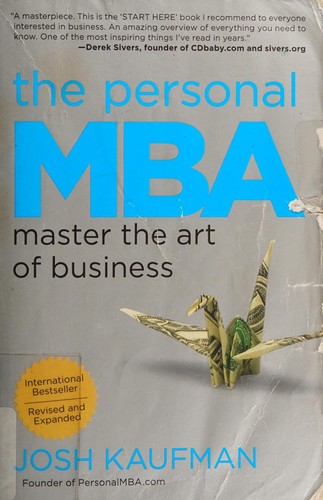
The Personal MBA by Josh Kaufman book cover

6. The Personal MBA

Josh Kaufman · 2010

Every core business concept in one volume. Skip the $200,000 degree, keep the vocabulary.

Kaufman compressed value creation, marketing, sales, finance, and systems thinking into 300 concepts, each explained in a page or two. It’s a reference book disguised as a business book. Nothing here is deep, everything here is useful, and the breadth is the point. Great first business book, great shelf reference after.

Read it if: self-taught operators who want the full map of business fundamentals

Skip it if: you have an MBA or years of operating experience (you know most of this)

Full verdict: The Personal MBA →

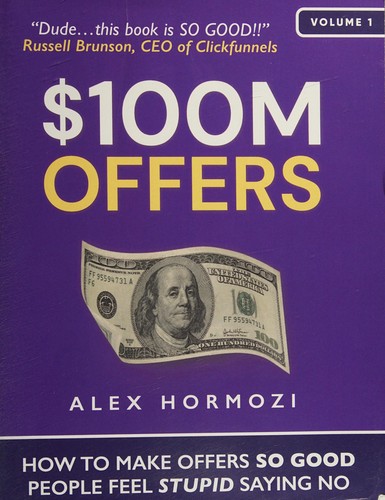
$100M Offers by Alex Hormozi book cover

7. $100M Offers

Alex Hormozi · 2021

Make offers so good people feel stupid saying no. The modern direct-response classic.

Hormozi’s value equation (dream outcome times likelihood, divided by time and effort) is the most usable pricing framework of the last decade. The book is free of filler because Hormozi uses it as a funnel, which ironically makes it better than most $30 business books. Read it before you write your next sales page.

Read it if: anyone selling anything who suspects their offer, not their marketing, is the problem

Skip it if: the aggressive internet-marketer tone is a dealbreaker for you

Full verdict: $100M Offers →

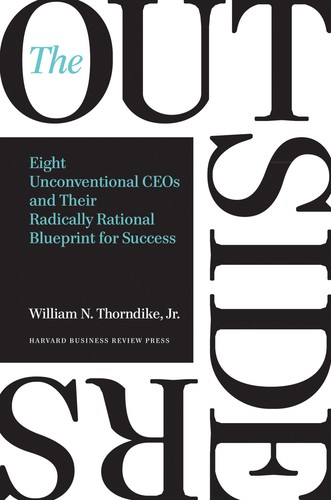
The Outsiders by William N. Thorndike book cover

8. The Outsiders

William N. Thorndike · 2012

Eight CEOs who crushed the market by ignoring everything CEOs are supposed to do.

Thorndike profiles eight unconventional CEOs (Henry Singleton, Katharine Graham, John Malone) who treated capital allocation as the CEO’s real job: buy back cheap stock, avoid dilution, decentralize everything. Buffett recommended it at a Berkshire meeting and it became an operator cult classic. Deservedly.

Read it if: investors and operators who want to understand capital allocation

Skip it if: you want leadership inspiration (these CEOs were ruthless calculators, not visionaries)

Full verdict: The Outsiders →

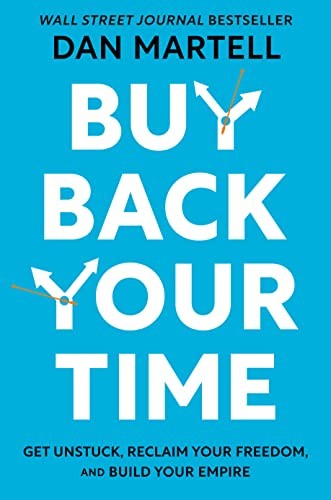
Buy Back Your Time by Dan Martell book cover

9. Buy Back Your Time

Dan Martell · 2023

Hire to buy back hours, not to grow headcount. A delegation system for drowning founders.

The buyback principle is simple: audit your calendar, price every task, and delegate everything below your buyback rate, starting with an executive assistant. Martell’s playbooks (inbox, calendar, camcorder method) are specific enough to use this week. Padded in places, but the system underneath is solid.

Read it if: founders and operators doing $10/hour tasks with $500/hour potential

Skip it if: you're an employee without hiring authority (most tactics assume you control budget)

Full verdict: Buy Back Your Time →

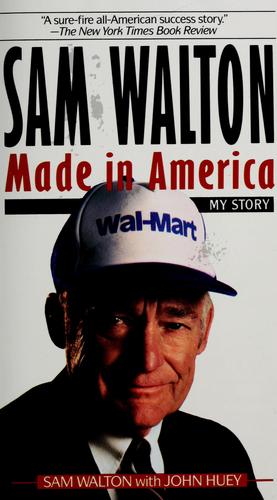
Sam Walton: Made in America by Sam Walton book cover

10. Sam Walton: Made in America

Sam Walton · 1992

The Walmart founder's memoir, finished weeks before he died. Zero polish, all substance.

Walton wrote this knowing he was dying, which stripped out the spin. He visited competitors’ stores with a tape recorder, flew a small plane to scout locations, and copied every good idea he ever saw, and says so plainly. Bezos built Amazon’s principles partly from this book. Frugality and customer obsession, straight from the source.

Read it if: operators who want to see obsessive retail execution from the inside

Skip it if: you want strategy theory (Walton distrusted theory and it shows)

Full verdict: Sam Walton: Made in America →

Frequently Asked Questions

What is the best business book to read first?

Start with The Personal MBA if you're new to business concepts, or Zero to One if you're building something. The Personal MBA gives you the full vocabulary in one volume. Zero to One teaches you how to think about what's worth building.

Are business books worth reading?

A few are. Most business books are one idea stretched to 250 pages. The ten here earn their length with either dense frameworks (Zero to One, $100M Offers) or stories you can't get elsewhere (Shoe Dog, The Hard Thing About Hard Things).

What business book does Warren Buffett recommend?

Buffett's most famous recommendation is Business Adventures by John Brooks, which he lent to Bill Gates in 1991. Gates still calls it the best business book he's read. For Buffett's own thinking, read The Essays of Warren Buffett.

Should I read The Lean Startup in 2026?

Yes, if you're building a product and haven't absorbed its ideas yet. MVP, pivot, and validated learning are standard vocabulary now, but most founders still skip the actual discipline of testing assumptions before building.

Keep Reading