Best Investing Books for Beginners: 8 Picks Ranked

Updated July 8, 2026 · 8 books

The best investing book for beginners is The Simple Path to Wealth. One strategy, plainly explained, backed by fifty years of market data. Add The Psychology of Money for the behavioral side and you have everything most people need.

The rest of this list is a reading ladder. Bogle’s Little Book gives you the math behind indexing in an afternoon. Lynch and Malkiel show you both sides of the stock-picking debate. Graham and Fisher wait at the top for when you’re ready to go deep.

Notice what’s here: two beginner books from this decade and six books that have survived twenty to seventy-five years of markets. Investing advice that lasts is rare. That’s exactly why the old books dominate this list.

Quick Comparison

#BookAuthorBest for
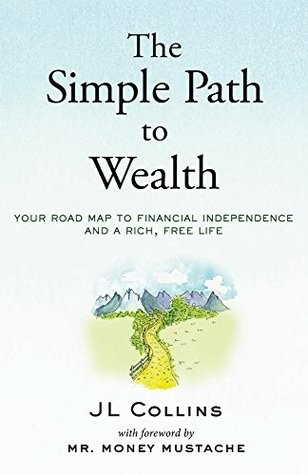
1The Simple Path to WealthJL Collinsbeginners who want one clear investment strategy without jargonAmazon
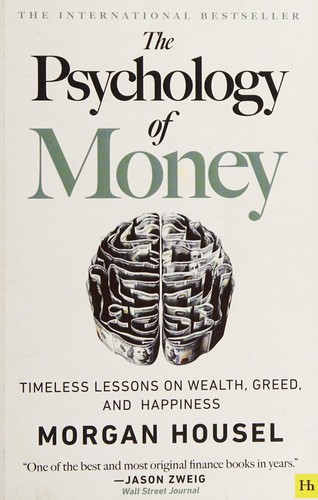
2The Psychology of MoneyMorgan Houselanyone who earns money and makes decisions about it, especially beginnersAmazon
3The Little Book of Common Sense InvestingJohn C. Boglebeginners who want the shortest credible path to a lifelong investment strategyAmazon
4One Up On Wall StreetPeter Lynchinvestors who want to pick individual stocks and need a sane frameworkAmazon
5A Random Walk Down Wall StreetBurton G. Malkielinvestors who want the academic case for index funds explained clearlyAmazon
6The Millionaire Next DoorThomas J. Stanley & William D. Dankoanyone who believes wealth looks like a lifestyle upgradeAmazon
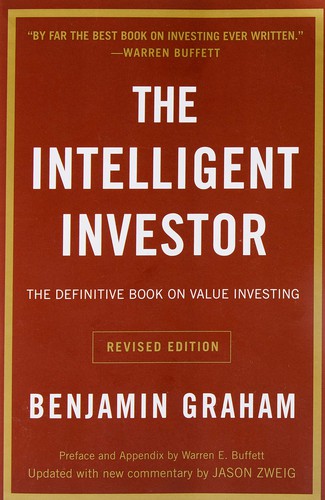
7The Intelligent InvestorBenjamin Grahamserious investors ready to learn value investing from the sourceAmazon
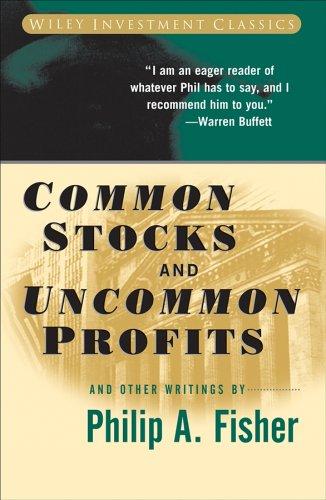
8Common Stocks and Uncommon ProfitsPhilip A. Fisherlong-term investors who want to evaluate business quality, not just priceAmazon

The Books

The Simple Path to Wealth by JL Collins book cover

1. The Simple Path to Wealth

JL Collins · 2016

Buy the index fund. Keep buying it. Ignore everything else. A whole book proving why that works.

Started as letters to his daughter, and it reads that way: patient, plain, and certain. Collins makes the case for VTSAX-style total market index investing better than anyone, including why market crashes are expected events, not emergencies. If you read exactly one investing book and then act on it, make it this one.

Read it if: beginners who want one clear investment strategy without jargon

Skip it if: you enjoy picking stocks and want to be talked out of index funds (you won't be)
Full verdict: The Simple Path to Wealth →

The Psychology of Money by Morgan Housel book cover

2. The Psychology of Money

Morgan Housel · 2020

Money decisions are behavior problems, not math problems. This book proves it in 19 short stories.

Housel writes like a friend who happens to be one of the best finance writers alive. Each chapter is a standalone essay: why rich people go broke, why enough beats more, why time beats timing. No formulas, no jargon. It changes how you think about money rather than what you do with it this week, which is exactly why it sticks.

Read it if: anyone who earns money and makes decisions about it, especially beginners

Skip it if: you want tactical advice like which funds to buy (this book is deliberately not that)

Full verdict: The Psychology of Money →

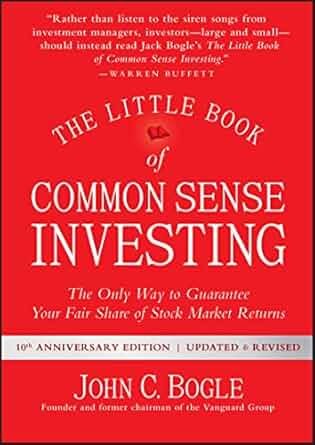
The Little Book of Common Sense Investing by John C. Bogle book cover

3. The Little Book of Common Sense Investing

John C. Bogle · 2007

The index fund pitch from the man who invented the index fund.

Bogle founded Vanguard and created the first index fund, then spent fifty years watching the math prove him right. Costs compound against you, few managers beat the market after fees, and owning the whole market wins by default. Two hundred small pages. You can finish it in an afternoon and act on it the same day.

Read it if: beginners who want the shortest credible path to a lifelong investment strategy

Skip it if: you've already read Collins or Malkiel (same conclusion, same math)

Full verdict: The Little Book of Common Sense Investing →

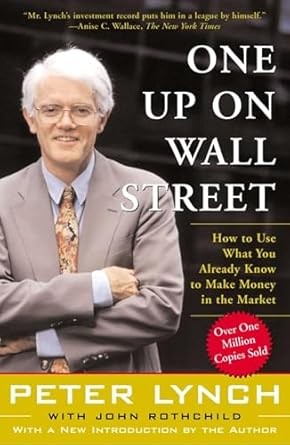
One Up On Wall Street by Peter Lynch book cover

4. One Up On Wall Street

Peter Lynch · 1989

The everyday investor's edge, explained by the man who ran the best fund of his era.

Lynch ran Fidelity Magellan to 29% annual returns and wrote the friendliest serious investing book ever. Buy what you know, do the homework anyway, and know which of his six stock categories you’re holding. Some examples aged out. The discipline (understand the story before you buy the ticker) never will.

Read it if: investors who want to pick individual stocks and need a sane framework

Skip it if: you've decided on index funds (Lynch himself would say that's fine)

Full verdict: One Up On Wall Street →

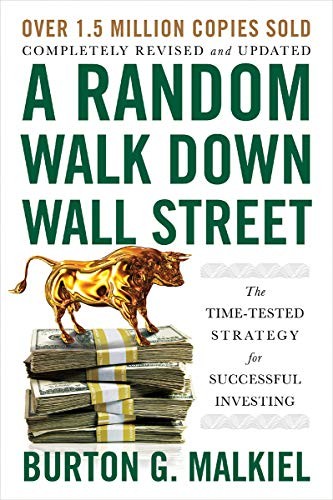
A Random Walk Down Wall Street by Burton G. Malkiel book cover

5. A Random Walk Down Wall Street

Burton G. Malkiel · 1973

Fifty years of editions, one conclusion: you probably can't beat the market, so own all of it.

Malkiel walks through every strategy people use to beat the market (technical analysis, stock picking, market timing) and shows why each fails for most people most of the time. Updated constantly since 1973, and each edition’s new bubble chapter proves the old chapters right. The intellectual foundation under the entire index fund movement.

Read it if: investors who want the academic case for index funds explained clearly

Skip it if: you want a short read (it's comprehensive, which means long)

Full verdict: A Random Walk Down Wall Street →

The Millionaire Next Door by Thomas J. Stanley & William D. Danko book cover

6. The Millionaire Next Door

Thomas J. Stanley & William D. Danko · 1996

Real millionaires drive used cars and live below their means. The data behind the cliché.

Stanley and Danko surveyed actual millionaires and found frugal business owners, not flashy spenders. The finding that high income and high net worth are barely related still surprises people thirty years later. The book repeats itself and the data is dated, but the core lesson (wealth is what you don’t spend) survives untouched.

Read it if: anyone who believes wealth looks like a lifestyle upgrade

Skip it if: you want investment tactics (this is a study of behavior, not a how-to)

Full verdict: The Millionaire Next Door →

The Intelligent Investor by Benjamin Graham book cover

7. The Intelligent Investor

Benjamin Graham · 1949

Warren Buffett calls it the best book on investing ever written. He's not wrong.

Seventy-five years old and still the foundation of value investing. Graham gives you two ideas worth the whole book: Mr. Market, the manic business partner you should exploit rather than follow, and margin of safety, the discipline of buying below value. The Jason Zweig commentary in the revised edition translates 1949 examples into modern terms. Chapters 8 and 20 alone justify the price.

Read it if: serious investors ready to learn value investing from the source

Skip it if: you want a quick, easy read (it's dense, and beginners should start with simpler books)

Full verdict: The Intelligent Investor →

Common Stocks and Uncommon Profits by Philip A. Fisher book cover

8. Common Stocks and Uncommon Profits

Philip A. Fisher · 1958

The growth investing classic Buffett says shaped him almost as much as Graham did.

Fisher’s fifteen points for finding outstanding companies and his “scuttlebutt” method (ask customers, suppliers, and competitors what they think) are still how the best quality investors work. Buffett describes himself as mostly Graham plus a meaningful dose of Fisher. Dry in places, permanent in substance.

Read it if: long-term investors who want to evaluate business quality, not just price

Skip it if: you're new to investing (start with Graham or an index fund book first)

Full verdict: Common Stocks and Uncommon Profits →

Frequently Asked Questions

What is the best investing book for a complete beginner?

The Simple Path to Wealth by JL Collins. It gives you one clear, proven strategy (low-cost index funds) explained without jargon, and you can act on it the same week. Pair it with The Psychology of Money for the behavior side.

Is The Intelligent Investor good for beginners?

Not as a first book. It's dense, long, and written in 1949. Read The Simple Path to Wealth and The Psychology of Money first. Come back to Graham when you want to understand why value investing works, and focus on chapters 8 and 20.

Do I need to read investing books if I just buy index funds?

Read at least one, because the hard part of index investing isn't buying, it's not selling during a crash. The Simple Path to Wealth and The Psychology of Money exist to prepare your behavior for that moment.

What investing book does Warren Buffett recommend?

The Intelligent Investor by Benjamin Graham, his teacher. Buffett calls it the best book on investing ever written and credits chapters 8 and 20 with shaping his entire approach.

Keep Reading