Best Startup Books of All Time: 9 Every Founder Should Know

Updated July 8, 2026 · 9 books

The best startup book is The Mom Test, because the first thing a founder gets wrong isn’t strategy — it’s talking to customers without lying to themselves. Fitzpatrick’s rule (don’t ask what they’d pay, watch what they do) prevents the most expensive failure: building confidently for nobody. Read it before anything else.

Then the two pillars. The Lean Startup is the method — ship small, learn fast. Zero to One is the strategy — contrarian bets and monopoly-shaped thinking. Method without strategy optimizes a worthless product; strategy without method never ships. The E-Myth Revisited and 100M Offers cover the operator layer: building a business that runs without you, and designing an offer people say yes to.

Close with the survival stories. Hard Thing About Hard Things is for when there’s no right answer. Shoe Dog and Made in America are the emotional truth of doing it broke and tired. The Outsiders is the capital-allocation finish line most founders never study.

One warning: startup books are where aspiring founders substitute reading for building. Pick one, then go talk to a customer today. The book that matters is the one you act on.

Quick Comparison

#BookAuthorBest for
1The Mom TestRob Fitzpatrickfounders validating an idea before building itAmazon
2The Lean StartupEric Riesfounders about to spend months building something nobody asked forAmazon
3Zero to OnePeter Thielfounders and operators who want to think about monopoly, secrets, and definite optimismAmazon
4The E-Myth RevisitedMichael E. Gerbersmall business owners drowning in their own operationsAmazon
5$100M OffersAlex Hormozianyone selling anything who suspects their offer, not their marketing, is the problemAmazon
6The Hard Thing About Hard ThingsBen Horowitzfounders and executives dealing with problems no framework coversAmazon
7Shoe DogPhil Knightanyone building something who needs to know the chaos is normalAmazon
8Sam Walton: Made in AmericaSam Waltonoperators who want to see obsessive retail execution from the insideAmazon
9The OutsidersWilliam N. Thorndikeinvestors and operators who want to understand capital allocationAmazon

The Books

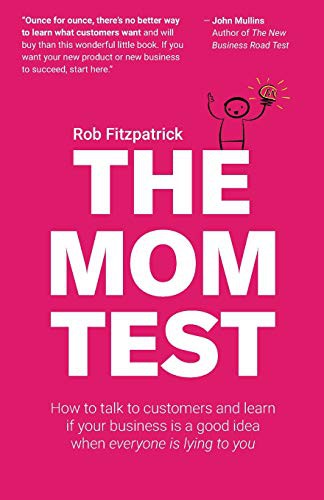
The Mom Test by Rob Fitzpatrick book cover

1. The Mom Test

Rob Fitzpatrick · 2013

Your mom will lie to you about your business idea. So will everyone else. Here's how to ask better.

The rule: talk about their life, not your idea. Ask about past behavior, not future intentions. Compliments are lies, commitments are data. It’s 130 pages, costs less than lunch, and prevents the most expensive startup mistake there is: building something nobody wants. The best ratio of usefulness to length in startup books.

Read it if: founders validating an idea before building it

Skip it if: you're past customer discovery with real revenue (you've done this already)
Full verdict: The Mom Test →

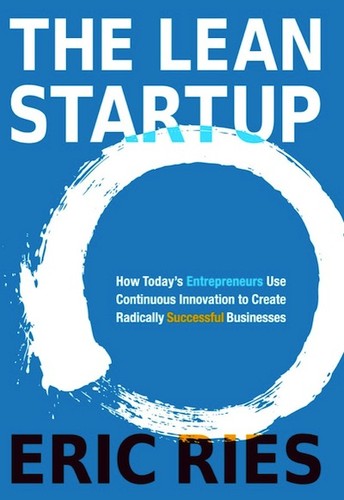
The Lean Startup by Eric Ries book cover

2. The Lean Startup

Eric Ries · 2011

Build, measure, learn. The book that taught startups to test before they build.

The vocabulary this book introduced (MVP, pivot, validated learning) became standard because the underlying idea is right: your business plan is a stack of untested assumptions, so test the riskiest ones cheaply before betting everything. The middle chapters drag with case studies. The framework in the first third is what you’re paying for.

Read it if: founders about to spend months building something nobody asked for

Skip it if: you already work in a product team that ships MVPs (this is your daily job in book form)

Full verdict: The Lean Startup →

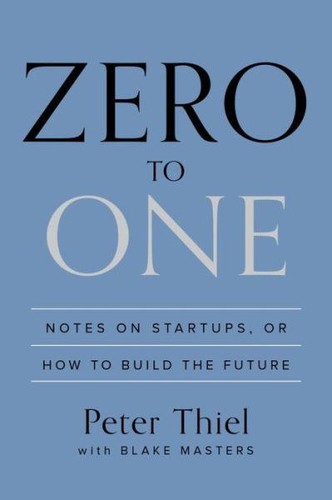
Zero to One by Peter Thiel book cover

3. Zero to One

Peter Thiel · 2014

Competition is for losers. The most contrarian startup book worth arguing with.

Thiel doesn’t teach you how to run a company. He teaches you how to think about what’s worth building: go from zero to one instead of copying what works, find secrets others ignore, aim for monopoly instead of competition. You’ll disagree with a third of it. That’s the point. Few business books make you think this hard per page.

Read it if: founders and operators who want to think about monopoly, secrets, and definite optimism

Skip it if: you're running a small business, not a startup (Thiel's advice targets venture-scale bets)

Full verdict: Zero to One →

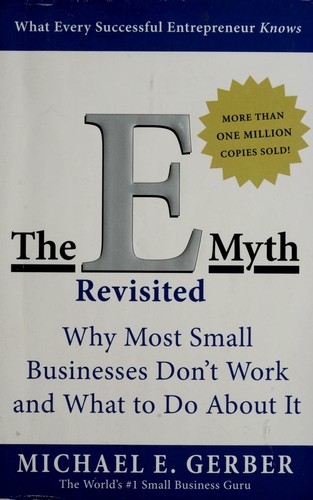
The E-Myth Revisited by Michael E. Gerber book cover

4. The E-Myth Revisited

Michael E. Gerber · 1995

You don't own a business. You own a job. Gerber explains how to fix that.

The core insight has saved thousands of small businesses: being good at the work (the technician) is not the same as building a business that does the work. Work on your business, not in it. Systematize everything as if you’ll franchise it. The fictional dialogue with Sarah the pie shop owner gets repetitive, but the framework underneath is permanent.

Read it if: small business owners drowning in their own operations

Skip it if: you're building a venture-backed startup (this is for bakeries, agencies, and trades)

Full verdict: The E-Myth Revisited →

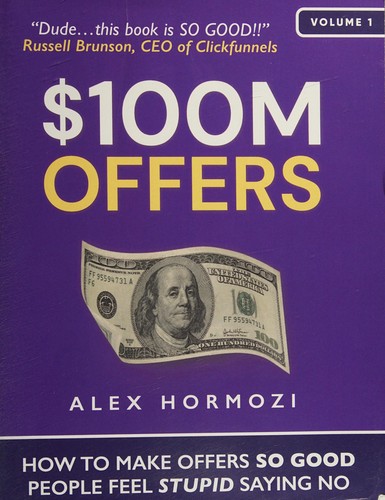
$100M Offers by Alex Hormozi book cover

5. $100M Offers

Alex Hormozi · 2021

Make offers so good people feel stupid saying no. The modern direct-response classic.

Hormozi’s value equation (dream outcome times likelihood, divided by time and effort) is the most usable pricing framework of the last decade. The book is free of filler because Hormozi uses it as a funnel, which ironically makes it better than most $30 business books. Read it before you write your next sales page.

Read it if: anyone selling anything who suspects their offer, not their marketing, is the problem

Skip it if: the aggressive internet-marketer tone is a dealbreaker for you

Full verdict: $100M Offers →

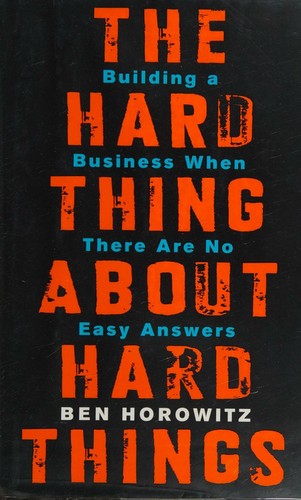
The Hard Thing About Hard Things by Ben Horowitz book cover

6. The Hard Thing About Hard Things

Ben Horowitz · 2014

The only management book written from inside the fire. Layoffs, demotions, near-bankruptcy, all of it.

Most business books describe what to do when things go right. Horowitz writes about firing your friend, telling the truth during layoffs, and managing your own psychology when the company is dying. No clean answers, which is honest, because hard things don’t have them. The most quoted management book among actual operators for a reason.

Read it if: founders and executives dealing with problems no framework covers

Skip it if: you're pre-launch (the pain described here won't map to anything yet)

Full verdict: The Hard Thing About Hard Things →

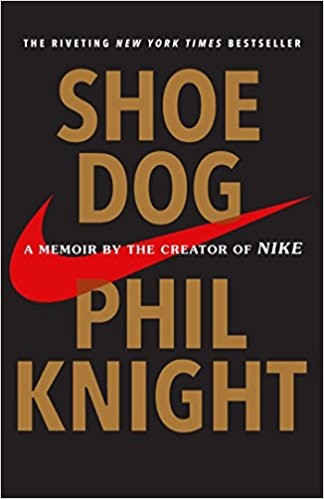
Shoe Dog by Phil Knight book cover

7. Shoe Dog

Phil Knight · 2016

Nike's founding story, told with more honesty than any founder memoir before or since.

Knight spent Nike’s first decade one bank meeting away from bankruptcy, and he writes about it like a novelist, not a victory-lap billionaire. No lessons in bullet points, no false modesty. The best business memoir in print because it admits how much was desperation and luck.

Read it if: anyone building something who needs to know the chaos is normal

Skip it if: you want frameworks and takeaways (this is a story, and better for it)

Full verdict: Shoe Dog →

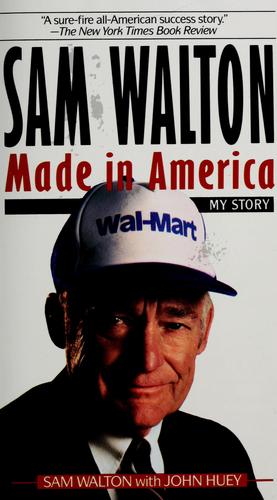
Sam Walton: Made in America by Sam Walton book cover

8. Sam Walton: Made in America

Sam Walton · 1992

The Walmart founder's memoir, finished weeks before he died. Zero polish, all substance.

Walton wrote this knowing he was dying, which stripped out the spin. He visited competitors’ stores with a tape recorder, flew a small plane to scout locations, and copied every good idea he ever saw, and says so plainly. Bezos built Amazon’s principles partly from this book. Frugality and customer obsession, straight from the source.

Read it if: operators who want to see obsessive retail execution from the inside

Skip it if: you want strategy theory (Walton distrusted theory and it shows)

Full verdict: Sam Walton: Made in America →

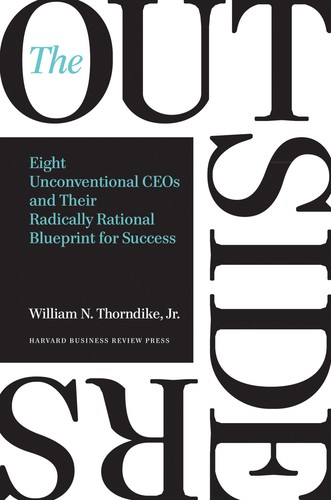
The Outsiders by William N. Thorndike book cover

9. The Outsiders

William N. Thorndike · 2012

Eight CEOs who crushed the market by ignoring everything CEOs are supposed to do.

Thorndike profiles eight unconventional CEOs (Henry Singleton, Katharine Graham, John Malone) who treated capital allocation as the CEO’s real job: buy back cheap stock, avoid dilution, decentralize everything. Buffett recommended it at a Berkshire meeting and it became an operator cult classic. Deservedly.

Read it if: investors and operators who want to understand capital allocation

Skip it if: you want leadership inspiration (these CEOs were ruthless calculators, not visionaries)

Full verdict: The Outsiders →

Frequently Asked Questions

What is the best startup book for a first-time founder?

The Mom Test by Rob Fitzpatrick. Before any strategy, you have to learn to talk to customers without fooling yourself — and most founders fail there first. It's short, and it saves you from building the wrong thing. Read it before Lean Startup.

The Lean Startup or Zero to One, which should I read?

Read both, in that order. Ries is the method (build-measure-learn, ship small); Thiel is the strategy (monopoly, bold contrarian bets). Method without strategy optimizes a worthless product; strategy without method never ships. Together they cover the whole game.

What startup book prepares me for the brutal parts?

The Hard Thing About Hard Things. Horowitz is the only author here writing for the moments when there is no right answer and the company might not make it. Pair it with Shoe Dog and Made in America for the emotional record of doing it scared and tired.

I run a small business, not a VC-backed startup. What's for me?

The E-Myth Revisited and The Outsiders. Gerber is about building a business that doesn't depend on you being present; Thorndike's CEOs show disciplined capital decisions. Different from the Silicon Valley frame, but closer to most real businesses.

Keep Reading