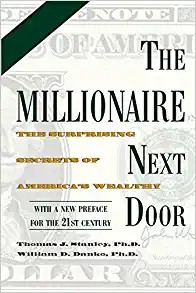
The Millionaire Next Door
by Thomas J. Stanley & William D. Danko · 1996
Real millionaires drive used cars and live below their means. The data behind the cliché.
Worth reading? The book that demolishes the yacht-and-watch picture of wealth with hard survey data, and the best corrective for anyone who thinks money looks like a lifestyle upgrade. Stanley and Danko's PAW-versus-UAW split shows most real millionaires got there by boring discipline, not flash. Skip it if you want investment tactics -- this is a study of behavior, not a how-to.
| Author | Thomas J. Stanley & William D. Danko |
|---|---|
| Published | 1996 |
| Category | Business & Money |
The Verdict
Stanley and Danko surveyed actual millionaires and found frugal business owners, not flashy spenders. The finding that high income and high net worth are barely related still surprises people thirty years later. The book repeats itself and the data is dated, but the core lesson (wealth is what you don’t spend) survives untouched.
anyone who believes wealth looks like a lifestyle upgrade
you want investment tactics (this is a study of behavior, not a how-to)
Book Summary
Most millionaires are the opposite of what you picture: self-employed, frugal, and driving a used car, because wealth is what you keep, not what you spend. The authors call them Prodigious Accumulators of Wealth (PAWs) and contrast them with Under Accumulators (UAWs) who earn plenty and own nothing.
Frugality and autonomy beat income. The people who cross seven figures usually married a frugal spouse, avoided status spending, and made their own financial calls instead of hiring a planner to impress.
Your occupation and neighborhood predict your habits more than your salary predicts your net worth. High earners in trophy-home zip codes often sit near broke while the quiet saver two streets over is free.
Top 6 Lessons from The Millionaire Next Door
- Wealth is what you keep, not what you spend.
- Most millionaires are self-employed and frugal, not flashy.
- Marry a frugal partner and avoid status spending.
- Don't outsource your financial decisions to impress anyone.
- High income doesn't make you wealthy; saving does.
- Live below your means on purpose, every year.
Frequently Asked Questions
Is The Millionaire Next Door worth reading?
Yes if you believe wealth looks like a lifestyle upgrade -- the data will reset that. Skip it if you want investment tactics; this is a study of behavior, not a how-to.
What is the main idea of The Millionaire Next Door?
Real millionaires mostly live below their means, stay self-employed and frugal, and accumulate quietly -- wealth is what you keep, not what you display.
How long does it take to read The Millionaire Next Door?
Around 260 pages of plain prose (page count not on record, this is an honest estimate), so a weekend or a few evenings gets you through it.
Who should read The Millionaire Next Door?
Anyone who believes wealth looks like a lifestyle upgrade. Skip it if you want investment tactics -- this is a study of behavior, not a how-to.
Ready to read it?
Get The Millionaire Next Door on Amazon