Best Books on Angel Investing and Venture Capital

Updated July 21, 2026 · 3 books

Best Books on Angel Investing and Venture Capital: ranked list of 3 books

The best book on this list is Venture Deals, because term-sheet literacy is the single most expensive gap for a first-time founder to walk into a negotiation without. Feld and Mendelson are both career VCs, and they wrote this specifically to close an asymmetry that structurally favors their own side: founders negotiate a term sheet once or twice in a lifetime, investors do it every week. Read it before you sign anything, not after.

If you’re on the other side of the table, writing checks instead of raising them, Angel is the better start. Calacanis is candid about the math most books gloss over: the majority of his individual bets went to zero, and a small handful of outliers carried the entire portfolio. It’s the clearest explanation available of why angel investing is a power-law game, not a diversification strategy, and how deal flow (not analytical brilliance) is the actual bottleneck.

The Lean Startup rounds this list out because you can’t evaluate a startup, as a founder or an investor, without recognizing the difference between a validated MVP and a vanity-metric fantasy. Ries’s build-measure-learn framework is the shared vocabulary both sides of a term sheet are actually negotiating around, whether they say so or not.

One honest warning: none of these three books will make you a good investor or a fundable founder on their own. Term sheets, deal flow, and validated learning are mechanics, not judgment. The judgment part only comes from doing the reps, reading a term sheet is not the same as negotiating one, and reading about a starving crowd of customers is not the same as finding one.

Quick Comparison

#BookBest for
1Venture DealsBrad Feld and Jason Mendelsonfounders about to raise or negotiate a venture financing roundAmazon
2AngelJason Calacanisyou have real capital to risk and want the mechanics of angel investing from someone who's done it, not a theory bookAmazon
3The Lean StartupEric Riesfounders about to spend months building something nobody asked forAmazon

The Books

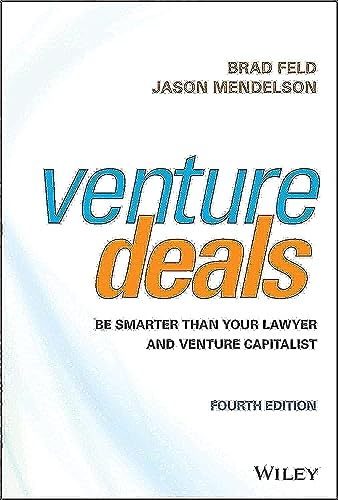
Venture Deals by Brad Feld and Jason Mendelson book cover

1. Venture Deals

Brad Feld and Jason Mendelson · 2011

Two VC insiders explain term sheets, valuation, and deal mechanics so founders stop negotiating blind.

Venture Deals exists to close an information gap that structurally favors investors: founders usually negotiate a term sheet once or twice in their careers, while VCs and their lawyers do it constantly. Feld and Mendelson, both career VCs, walk through liquidation preferences, option pools, and board control in plain language most founders never get explained to them directly. Skip it entirely if you’re not raising institutional capital, none of this applies outside that specific negotiation.

Read it if: founders about to raise or negotiate a venture financing round

Skip it if: you're bootstrapped with no plans to raise institutional venture capital
Full verdict: Venture Deals →

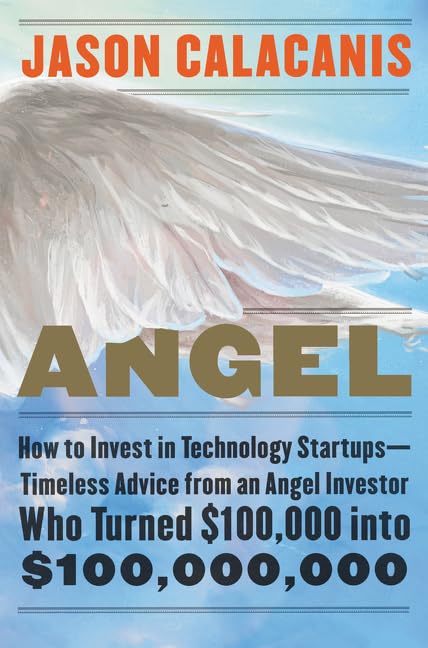
Angel by Jason Calacanis book cover

2. Angel

Jason Calacanis · 2017

A working angel investor's actual playbook, from finding deal flow to the math behind the one winner that pays for everything.

Calacanis made his money the hard way: most of his individual bets lost everything, and a small handful (Uber being the loudest example) paid for every loss combined. That honesty is the book’s real value. He doesn’t pretend angel investing is a smart, controlled way to get startup exposure. It’s a power-law bet, and this book is the clearest explanation of how to play that bet on purpose instead of by accident.

The strongest chapters are about deal flow, not evaluation. Any investor can learn to ask good questions in a pitch meeting. Few can get access to the pitch meeting in the first place, and Calacanis spends real pages on angel groups, syndicates, and reputation-building because that access is the actual bottleneck.

Skip it if you don’t have money you can afford to lose entirely, this isn’t a hedge against anything. Pair it with Venture Deals if you want the founder’s side of the same table.

Read it if: you have real capital to risk and want the mechanics of angel investing from someone who's done it, not a theory book

Skip it if: you're looking for term-sheet legal detail (that's Venture Deals) or you don't have money you can afford to lose entirely

Full verdict: Angel →

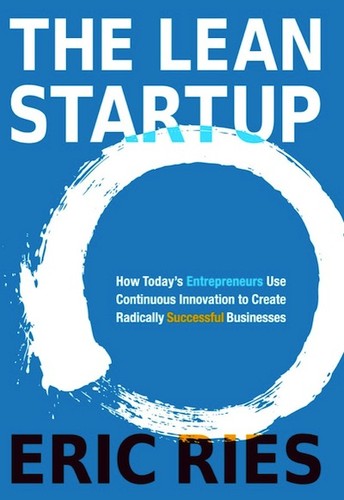
The Lean Startup by Eric Ries book cover

3. The Lean Startup

Eric Ries · 2011

Build, measure, learn. The book that taught startups to test before they build.

The vocabulary this book introduced (MVP, pivot, validated learning) became standard because the underlying idea is right: your business plan is a stack of untested assumptions, so test the riskiest ones cheaply before betting everything. The middle chapters drag with case studies. The framework in the first third is what you’re paying for.

Read it if: founders about to spend months building something nobody asked for

Skip it if: you already work in a product team that ships MVPs (this is your daily job in book form)

Full verdict: The Lean Startup →

Frequently Asked Questions

What is the best book on venture capital for a first-time founder?

Venture Deals. Feld and Mendelson are career VCs writing specifically to close the information gap that favors investors, most founders negotiate a term sheet once or twice in their life; VCs do it constantly. Read it before you take a single meeting.

What is the best book on angel investing for someone writing checks, not raising them?

Angel by Jason Calacanis. It's the founder's-side book (Venture Deals) flipped to the investor's side, deal flow, evaluation, and the honest power-law math behind why most bets go to zero.

Do I need to understand startups to read these, or just capital markets?

Understanding startups helps more than finance theory does. That's why The Lean Startup earns a spot here, if you're investing in early-stage companies, you need to recognize a validated MVP from a vanity-metric fantasy, not just read a cap table.

Venture Deals or Angel, which should I read first?

Depends which side of the table you're on. Founders raising money start with Venture Deals. Anyone writing angel checks starts with Angel. Read both if you plan to do both eventually.

Keep Reading