Best Leadership Books: 20 That Actually Make You a Better Boss

Updated July 16, 2026 · 20 books

Best Leadership Books: 20 That Actually Make You a Better Boss: ranked list of 20 books

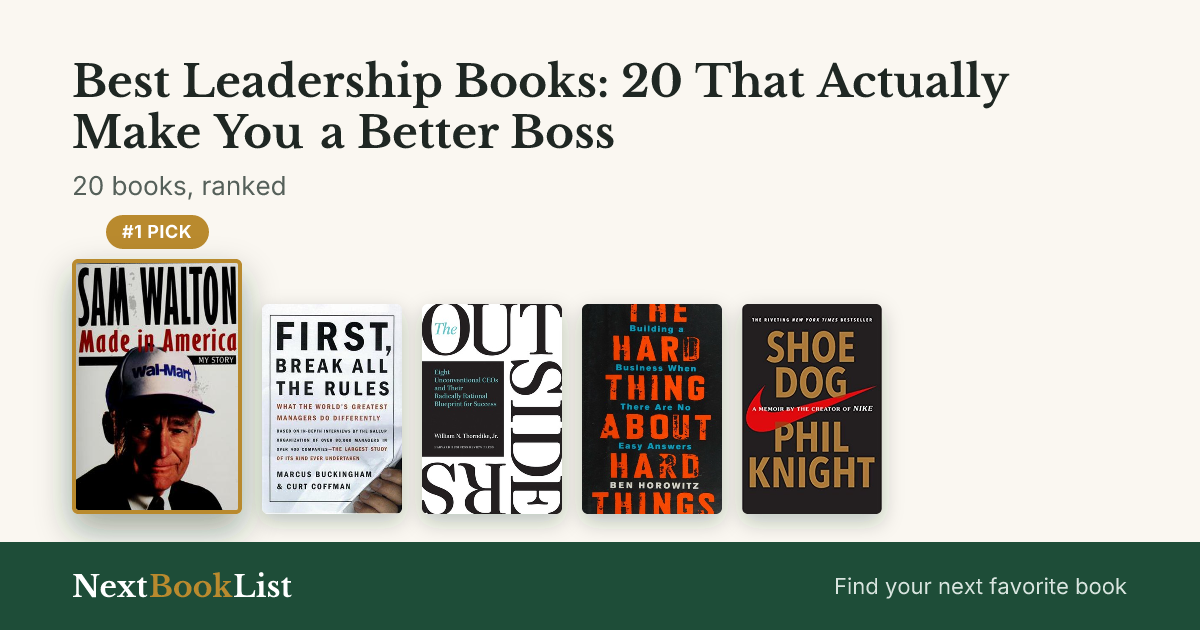
The best leadership book in this library is Made in America, and it has no framework, which is the point. Sam Walton built Walmart by obsessing over the unglamorous: margins, store walks, and treating associates like owners. If you read one book on leading a company, read the one written by someone who actually ran one into the ground-then-to-the-top.

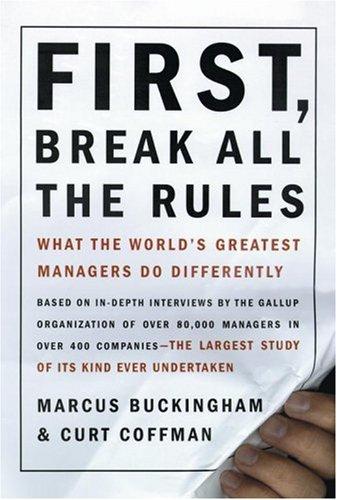
Right behind it, First, Break All the Rules is the one entry here built specifically on managing people rather than companies. Gallup studied thousands of managers to find what the best ones do differently, and none of it is charisma.

The rest of the list moves from building to steering to surviving. The Outsiders and Personal MBA cover the allocation and general-management layer. Zero to One, The Lean Startup, and The E-Myth Revisited are for the founder who has to build the machine. Shoe Dog is the emotional record of doing it scared.

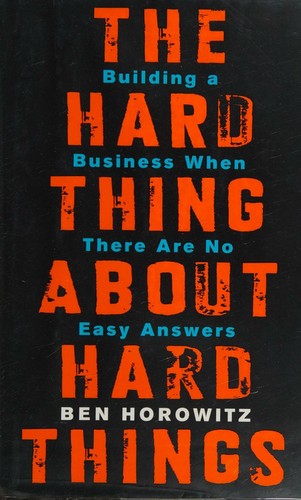
Close with The Hard Thing About Hard Things. Horowitz is the only author here writing for the moments Drucker and Walton can’t help you with, when there is no right answer and the building is on fire.

Four more round out the team and culture side specifically. Leading Change is the classic on why most organizational change efforts fail and what the eight-step process for the ones that don’t actually looks like. The Ideal Team Player and Team of Teams both address who you’re leading, not just how: Lencioni on the three traits worth hiring for, McChrystal on why large organizations need to behave like small, adaptive teams once the environment gets complex. Leaders Eat Last closes it out on the case that a leader’s job is protecting the people below them, not the other way around.

Trillion Dollar Coach closes the list from a different angle entirely: coaching leaders rather than being one. Bill Campbell shaped the founders behind Google, Apple, and Intuit without running any major company himself, and the book, reconstructed from over 80 interviews, is a people-first philosophy that undergirds most of the frameworks above it.

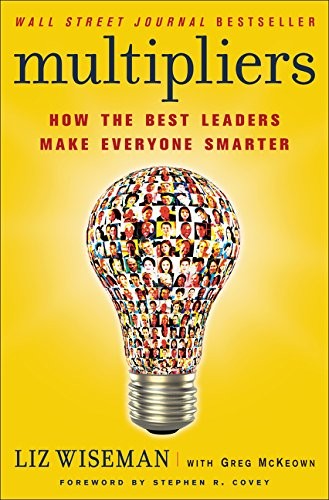
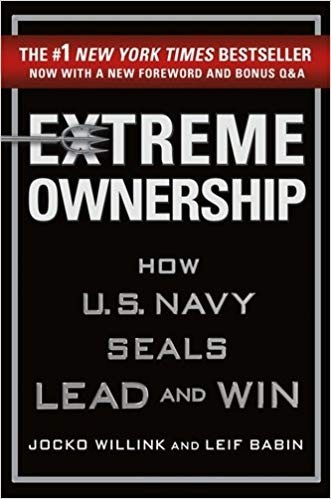
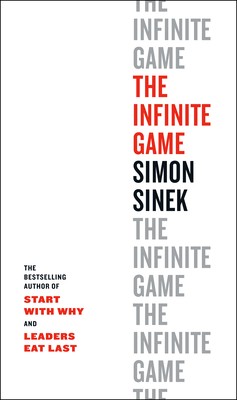
Four more for the direct feedback and mission side: Radical Candor is the sharpest answer to “how do I actually tell someone they’re underperforming without either softening it into nothing or being cruel.” Multipliers is Liz Wiseman’s case that the best leaders make everyone around them smarter, not just themselves. Extreme Ownership brings a military framing (Jocko Willink, ex-Navy SEAL) to accountability, no excuses, the leader owns every outcome. The Infinite Game closes with Sinek’s argument that leaders playing a finite, win-the-quarter game lose to the ones playing to keep the organization in the game at all.

Read these for judgment, vision, and now some actual people-management, then pair with a stoicism list for the temperament part of leading humans.

Quick Comparison

#BookBest for
1Sam Walton: Made in AmericaSam Waltonoperators who want to see obsessive retail execution from the insideAmazon
2First, Break All The RulesMarcus Buckinghammanagers who want evidence-based people leadership, not theoryAmazon
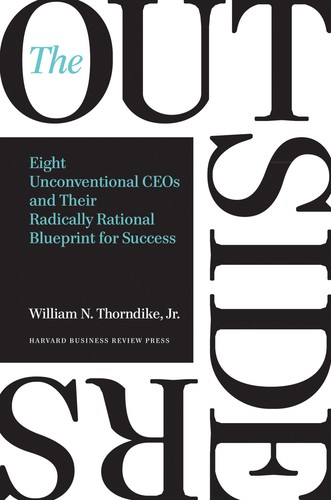
3The OutsidersWilliam N. Thorndikeinvestors and operators who want to understand capital allocationAmazon
4The Hard Thing About Hard ThingsBen Horowitzfounders and executives dealing with problems no framework coversAmazon
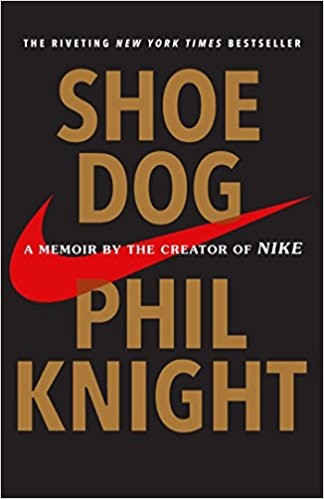
5Shoe DogPhil Knightanyone building something who needs to know the chaos is normalAmazon
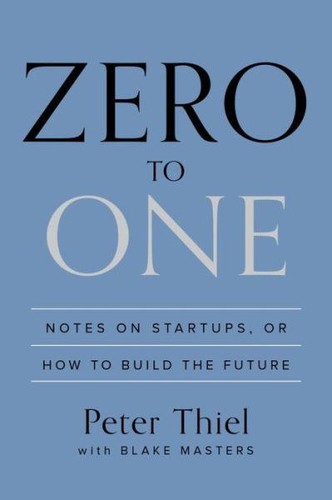
6Zero to OnePeter Thielfounders and operators who want to think about monopoly, secrets, and definite optimismAmazon
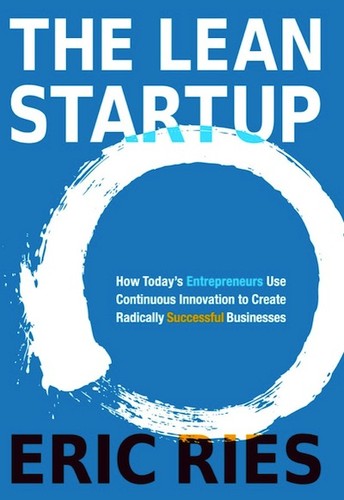
7The Lean StartupEric Riesfounders about to spend months building something nobody asked forAmazon
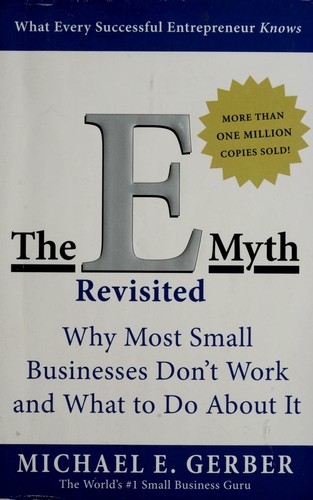
8The E-Myth RevisitedMichael E. Gerbersmall business owners drowning in their own operationsAmazon
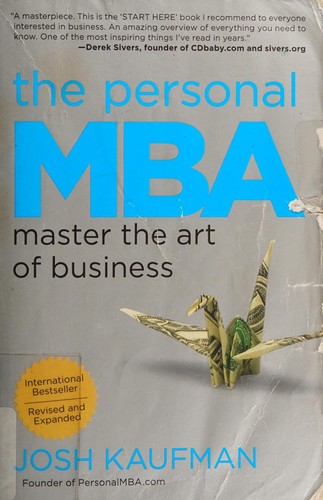
9The Personal MBAJosh Kaufmanself-taught operators who want the full map of business fundamentalsAmazon
10Good to GreatJim Collinsleaders and operators who want evidence-based strategy, not motivational leadership fluffAmazon
11The Dichotomy of LeadershipJocko Willink and Leif Babinmanagers and founders who already read Extreme Ownership and want the nuanceAmazon
12Leading ChangeJohn P. Kotteryou're leading a team or company through a real transition and need a proven sequence, not improvised change managementAmazon
13The Ideal Team PlayerPatrick Lencioniyou hire or manage teams and keep getting burned by talented people who can't collaborateAmazon
14Leaders Eat LastSimon Sinekyou lead a team and want the belief system behind trust and loyalty, having already read Start With Why and want the 'why' turned into daily behaviorAmazon
15Team of TeamsStanley A. McChrystalyou're scaling an organization past the point where a single command hierarchy can move fast enoughAmazon
16Trillion Dollar CoachEric Schmidt, Jonathan Rosenberg & Alan Eagleyou want a leadership philosophy built from interviews with 80-plus people who were directly coached by one person, rather than one executive's own self-accountAmazon
17Radical CandorKim Malone Scottanyone weighing whether Radical Candor belongs on their business and money shelfAmazon
18MultipliersLiz Wisemanyou manage people and want to know if you're multiplying their intelligence or diminishing itAmazon
19Extreme OwnershipJocko Willinkanyone weighing whether Extreme Ownership belongs on their business and money shelfAmazon
20The Infinite GameSimon Sinekanyone weighing whether The Infinite Game belongs on their business and money shelfAmazon

The Books

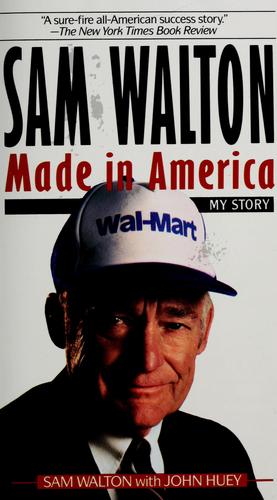
Sam Walton: Made in America by Sam Walton book cover

1. Sam Walton: Made in America

Sam Walton · 1992

The Walmart founder's memoir, finished weeks before he died. Zero polish, all substance.

Walton wrote this knowing he was dying, which stripped out the spin. He visited competitors’ stores with a tape recorder, flew a small plane to scout locations, and copied every good idea he ever saw, and says so plainly. Bezos built Amazon’s principles partly from this book. Frugality and customer obsession, straight from the source.

Read it if: operators who want to see obsessive retail execution from the inside

Skip it if: you want strategy theory (Walton distrusted theory and it shows)

Full verdict: Sam Walton: Made in America →

First, Break All The Rules by Marcus Buckingham book cover

2. First, Break All The Rules

Marcus Buckingham · 1999

Gallup's research on what great managers actually do, and it's not what you'd think.

Buckingham’s First, Break All the Rules flips conventional management: great managers don’t fix weaknesses, they capitalize on strengths and define outcomes, not steps. Based on hard Gallup data, so it’s credible. Skip it if you have no team.

Read it if: managers who want evidence-based people leadership, not theory

Skip it if: you're an individual contributor with no reports

Full verdict: First, Break All The Rules →

The Outsiders by William N. Thorndike book cover

3. The Outsiders

William N. Thorndike · 2012

Eight CEOs who crushed the market by ignoring everything CEOs are supposed to do.

Thorndike profiles eight unconventional CEOs (Henry Singleton, Katharine Graham, John Malone) who treated capital allocation as the CEO’s real job: buy back cheap stock, avoid dilution, decentralize everything. Buffett recommended it at a Berkshire meeting and it became an operator cult classic. Deservedly.

Read it if: investors and operators who want to understand capital allocation

Skip it if: you want leadership inspiration (these CEOs were ruthless calculators, not visionaries)

Full verdict: The Outsiders →

The Hard Thing About Hard Things by Ben Horowitz book cover

4. The Hard Thing About Hard Things

Ben Horowitz · 2014

The only management book written from inside the fire. Layoffs, demotions, near-bankruptcy, all of it.

Most business books describe what to do when things go right. Horowitz writes about firing your friend, telling the truth during layoffs, and managing your own psychology when the company is dying. No clean answers, which is honest, because hard things don’t have them. The most quoted management book among actual operators for a reason.

Read it if: founders and executives dealing with problems no framework covers

Skip it if: you're pre-launch (the pain described here won't map to anything yet)

Full verdict: The Hard Thing About Hard Things →

Shoe Dog by Phil Knight book cover

5. Shoe Dog

Phil Knight · 2016

Nike's founding story, told with more honesty than any founder memoir before or since.

Knight spent Nike’s first decade one bank meeting away from bankruptcy, and he writes about it like a novelist, not a victory-lap billionaire. No lessons in bullet points, no false modesty. The best business memoir in print because it admits how much was desperation and luck.

Read it if: anyone building something who needs to know the chaos is normal

Skip it if: you want frameworks and takeaways (this is a story, and better for it)

Full verdict: Shoe Dog →

Zero to One by Peter Thiel book cover

6. Zero to One

Peter Thiel · 2014

Competition is for losers. The most contrarian startup book worth arguing with.

Thiel doesn’t teach you how to run a company. He teaches you how to think about what’s worth building: go from zero to one instead of copying what works, find secrets others ignore, aim for monopoly instead of competition. You’ll disagree with a third of it. That’s the point. Few business books make you think this hard per page.

Read it if: founders and operators who want to think about monopoly, secrets, and definite optimism

Skip it if: you're running a small business, not a startup (Thiel's advice targets venture-scale bets)

Full verdict: Zero to One →

The Lean Startup by Eric Ries book cover

7. The Lean Startup

Eric Ries · 2011

Build, measure, learn. The book that taught startups to test before they build.

The vocabulary this book introduced (MVP, pivot, validated learning) became standard because the underlying idea is right: your business plan is a stack of untested assumptions, so test the riskiest ones cheaply before betting everything. The middle chapters drag with case studies. The framework in the first third is what you’re paying for.

Read it if: founders about to spend months building something nobody asked for

Skip it if: you already work in a product team that ships MVPs (this is your daily job in book form)

Full verdict: The Lean Startup →

The E-Myth Revisited by Michael E. Gerber book cover

8. The E-Myth Revisited

Michael E. Gerber · 1995

You don't own a business. You own a job. Gerber explains how to fix that.

The core insight has saved thousands of small businesses: being good at the work (the technician) is not the same as building a business that does the work. Work on your business, not in it. Systematize everything as if you’ll franchise it. The fictional dialogue with Sarah the pie shop owner gets repetitive, but the framework underneath is permanent.

Read it if: small business owners drowning in their own operations

Skip it if: you're building a venture-backed startup (this is for bakeries, agencies, and trades)

Full verdict: The E-Myth Revisited →

The Personal MBA by Josh Kaufman book cover

9. The Personal MBA

Josh Kaufman · 2010

Every core business concept in one volume. Skip the $200,000 degree, keep the vocabulary.

Kaufman compressed value creation, marketing, sales, finance, and systems thinking into 300 concepts, each explained in a page or two. It’s a reference book disguised as a business book. Nothing here is deep, everything here is useful, and the breadth is the point. Great first business book, great shelf reference after.

Read it if: self-taught operators who want the full map of business fundamentals

Skip it if: you have an MBA or years of operating experience (you know most of this)

Full verdict: The Personal MBA →

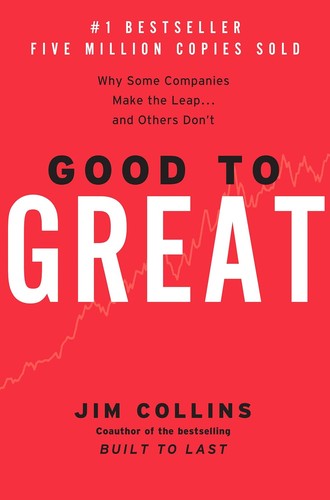
Good to Great by Jim Collins book cover

10. Good to Great

Jim Collins · 2001

The companies that became great had no dream, no breakthrough, and no charismatic savior, they had discipline.

Collins built this on a 5-year research project, not a TED talk. The uncomfortable part for ambitious people is that the great companies weren’t heroic, they were relentlessly, boringly disciplined. The Hedgehog Concept alone (one thing, done better than anyone) will cut more from your to-do list than any productivity book.

Read it if: leaders and operators who want evidence-based strategy, not motivational leadership fluff

Skip it if: you want a fast narrative business book; this is a 300-page research study with charts

Full verdict: Good to Great →

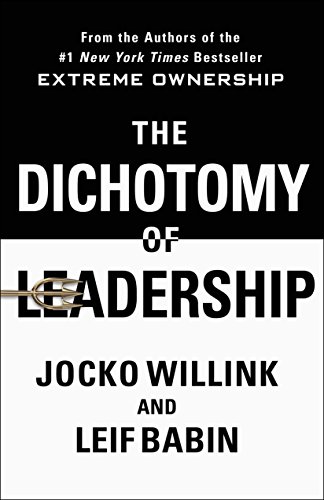
The Dichotomy of Leadership by Jocko Willink and Leif Babin book cover

11. The Dichotomy of Leadership

Jocko Willink and Leif Babin · 2018

Every leadership principle has aEqual and opposite failure mode, and the job is living in the middle.

Willink came out of Navy SEAL command and writes like it, direct, no fluff, a little too sure of himself. The saving grace of this book is the humility to admit the first book’s ideas can be abused. If you manage humans, the dichotomy frame (too much of any good thing breaks) is the most useful thing in it.

Read it if: managers and founders who already read Extreme Ownership and want the nuance

Skip it if: you haven't read Extreme Ownership yet, start there, this is the advanced course

Full verdict: The Dichotomy of Leadership →

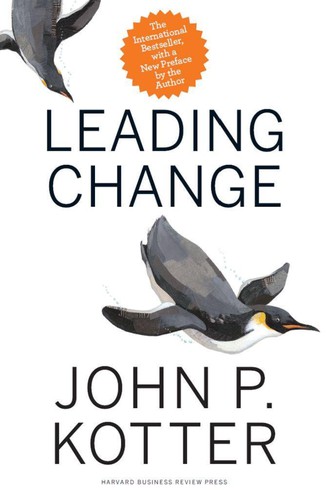
Leading Change by John P. Kotter book cover

12. Leading Change

John P. Kotter · 2012

The Harvard professor's eight-step model for organizational change, copied by every management consultant since, and still the most cited framework for why change efforts fail.

Kotter gives the eight-step change model that every consultant since has copied. Read it before you launch any org change; skip it if you’ve already sat through the training, because the content is now common sense dressed as revelation.

Read it if: you're leading a team or company through a real transition and need a proven sequence, not improvised change management

Skip it if: you've already sat through corporate change-management training built on this exact model, the content is now common sense dressed as revelation

Full verdict: Leading Change →

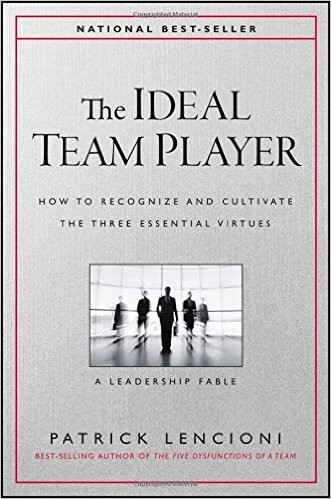
The Ideal Team Player by Patrick Lencioni book cover

13. The Ideal Team Player

Patrick Lencioni · 2016

One brilliant jerk can poison a team faster than a whole skill gap. Lencioni's fable narrows 'good teammate' down to three traits you can actually hire and coach for.

Lencioni boils ‘good teammate’ down to three traits, humble, hungry, smart, and that’s the whole book. Read The Five Dysfunctions first if you want the team-system view; this is the sharper companion on who to actually put on the team. Skip it if you already live the model and just want a deeper framework.

Read it if: you hire or manage teams and keep getting burned by talented people who can't collaborate

Skip it if: you've already read The Five Dysfunctions of a Team and want the team-system view -- this is the sharper, narrower companion on who to put on the team, not how the team functions as a whole

Full verdict: The Ideal Team Player →

Leaders Eat Last by Simon Sinek book cover

14. Leaders Eat Last

Simon Sinek · 2014

Sinek's case that real leaders sacrifice comfort so their people feel safe first, trust built top-down, not extracted through metrics and bonuses.

Sinek argues that real leaders sacrifice their own comfort so the people below them feel safe. Read it after Start With Why if you lead a team and want the ‘why’ turned into daily behavior. Skip it if you want tactics, this is a belief book, not a how-to.

Read it if: you lead a team and want the belief system behind trust and loyalty, having already read Start With Why and want the 'why' turned into daily behavior

Skip it if: you want tactics or a step-by-step method -- this is a philosophy and belief book, closer to a manifesto than a how-to guide

Full verdict: Leaders Eat Last →

Team of Teams by Stanley A. McChrystal book cover

15. Team of Teams

Stanley A. McChrystal · 2015

A four-star general explains how a rigid military hierarchy kept losing to Al Qaeda's decentralized network -- and how rebuilding JSOC as a connected web of empowered teams turned the fight around.

McChrystal explains how a rigid command hierarchy lost to Al Qaeda’s network and how he rebuilt JSOC as a connected, empowered web. Read it before you scale any organization; skip it if you run a solo shop where the lesson doesn’t apply yet.

Read it if: you're scaling an organization past the point where a single command hierarchy can move fast enough

Skip it if: you run a small, solo, or simply-structured operation -- the network-versus-hierarchy problem this book solves hasn't shown up for you yet

Full verdict: Team of Teams →

Trillion Dollar Coach by Eric Schmidt, Jonathan Rosenberg & Alan Eagle book cover

16. Trillion Dollar Coach

Eric Schmidt, Jonathan Rosenberg & Alan Eagle · 2019

The coach behind Steve Jobs, Larry Page, and Eric Schmidt never ran a company himself in Silicon Valley's biggest era, he just made nearly everyone who did run one dramatically better.

Campbell’s influence is unusual precisely because he never sought public credit or ran a company himself in an era defined by founder mythology – the book exists specifically to reconstruct an approach that would have otherwise been lost, using the collective memory of the people who were shaped by it directly.

Read it if: you want a leadership philosophy built from interviews with 80-plus people who were directly coached by one person, rather than one executive's own self-account

Skip it if: you want a personal memoir or biography with a traditional narrative arc -- this is closer to a leadership playbook organized by theme than a chronological life story

Full verdict: Trillion Dollar Coach →

Radical Candor by Kim Malone Scott book cover

17. Radical Candor

Kim Malone Scott · 2017

Kim Malone Scott's take on business, the honest verdict is below.

The best plain-English management book on giving feedback without being a coward or a jerk. Read it before any other leadership book if you manage people. Skip it only if you already give direct, caring feedback naturally, most of us don’t.

Read it if: anyone weighing whether Radical Candor belongs on their business and money shelf

Skip it if: you want a different angle than Kim Malone Scott's

Full verdict: Radical Candor →

Multipliers by Liz Wiseman book cover

18. Multipliers

Liz Wiseman · 2010

Some bosses double everyone's brainpower. Most just want credit for their own.

Wiseman spent years interviewing executives and found a pattern nobody was measuring: two leaders with identical teams can get wildly different results, and the difference isn’t talent or budget. It’s whether the leader makes people feel smarter or smaller in the room. That’s a system you can actually build, and this book hands you the blueprint.

Read it if: you manage people and want to know if you're multiplying their intelligence or diminishing it

Skip it if: you're an individual contributor with no direct reports and no plans to get any

Full verdict: Multipliers →

Extreme Ownership by Jocko Willink book cover

19. Extreme Ownership

Jocko Willink · 2017

Jocko Willink's take on business, the honest verdict is below.

Navy SEAL commanders translate combat leadership into one rule: you own every outcome, good or bad, no excuses. Read it before any soft ‘leadership presence’ book; skip it only if military framing turns you off, because the lessons still apply to cubicles.

Read it if: anyone weighing whether Extreme Ownership belongs on their business and money shelf

Skip it if: you want a different angle than Jocko Willink's

Full verdict: Extreme Ownership →

The Infinite Game by Simon Sinek book cover

20. The Infinite Game

Simon Sinek · 2019

Simon Sinek's take on business, the honest verdict is below.

Sinek’s argument that business is an infinite game where the goal is to stay in it, not ‘win.’ Read it if your company chases quarterly numbers off a cliff. Skip it if you wanted tactics, like his other books, it’s a belief, not a blueprint.

Read it if: anyone weighing whether The Infinite Game belongs on their business and money shelf

Skip it if: you want a different angle than Simon Sinek's

Full verdict: The Infinite Game →

Frequently Asked Questions

What is the best leadership book to start with?

Made in America by Sam Walton. It's a founder telling you, plainly, how he built the largest retailer on earth and the principles he refused to compromise. No framework, no jargon, just the operating beliefs of a relentless leader. Read it before any of the theory.

Is The Hard Thing About Hard Things worth reading if I'm not a CEO?

Yes, especially if you manage people through anything messy. Horowitz is the only author here writing for the moment when there is no right answer and the company might not make it. The rest of the list is about building; this one is about surviving.

The Outsiders is about capital allocation, not leadership. Why is it here?

Because the hardest leadership decision a CEO makes is where to put the company's money and attention. Thorndike's eight CEOs beat the market by being disciplined allocators. If you lead anything with a budget, it's the most useful frame you'll read.

My catalog is thin on people-management. What do I read for that?

First, Break All the Rules. Gallup's research on what great managers actually do differently, focus on strengths, don't try to fix weaknesses, set different expectations for each person, is the closest thing on this list to frontline, day-to-day people management. Pair it with Made in America for the operating-principles side.

What's the best leadership book on leading through organizational change?

Leading Change by John Kotter. It's the classic academic treatment of why most change efforts fail and the eight-step process for the ones that don't, required reading if you're leading a team or company through a real transition, not just steady-state management.

What book helps with building the right team culture, not just managing individuals?

The Ideal Team Player and Team of Teams. Lencioni on the three traits (humble, hungry, smart) worth hiring and promoting for; McChrystal on why large organizations need to behave like small, adaptive teams instead of rigid hierarchies once the environment gets complex.

Is there a book here on coaching leaders rather than being one directly?

Trillion Dollar Coach. Bill Campbell coached the founders behind Google, Apple, and Intuit without ever running one of those companies himself, and the book reconstructs his people-first approach from interviews with over 80 people he coached directly.
Keep Reading