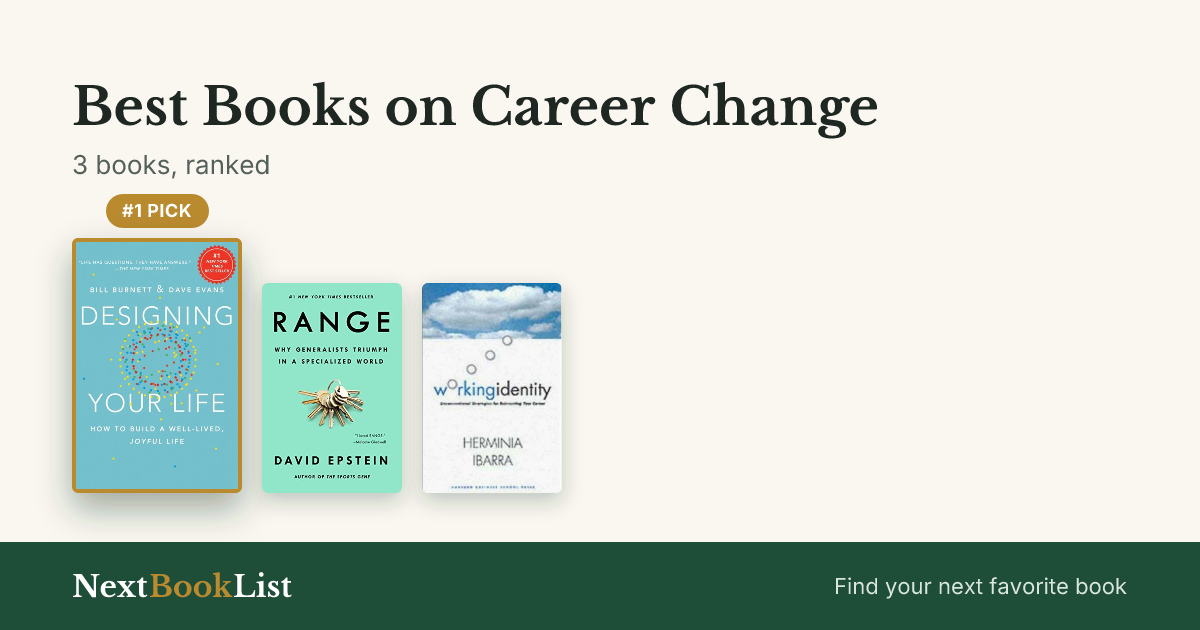
Best Books on Career Change

Updated July 21, 2026 · 3 books

Best Books on Career Change: ranked list of 3 books

The best book for a career change is Designing Your Life, because it replaces “figure out what you really want” with an actual process you can run this week. Burnett and Evans borrow Stanford’s design-thinking method, prototype small versions of possible futures, test them against real experience, iterate, and it works precisely because it doesn’t ask you to solve your life through analysis alone. The Odyssey Plan exercise, sketching three different five-year versions of your life, is worth the book by itself.

Working Identity goes deeper on the psychology of why people stay stuck. Ibarra’s research on real career changers found the standard advice exactly backwards: you don’t discover clarity through reflection and then act on it, you act your way into a new professional identity through small experiments and new networks, and the clarity shows up afterward. If you’ve been waiting to feel certain before you move, this book explains why that certainty was never going to arrive first.

Range earns its spot for a specific kind of hesitation: the fear that changing direction means you wasted years not specializing. Epstein’s case, that generalists often outperform specialists in complex, unpredictable fields, is the useful counterweight if that’s the actual thing keeping you stuck, not indecision about direction, but shame about not having one sooner.

One honest warning: career-change books are where smart, capable people go to feel productive without actually changing anything. Reading a fourth book about reinvention is its own form of staying put. Pick one framework, run one small experiment this month, and let the next chapter wait until you have real data instead of more theory.

Quick Comparison

#BookBest for
1Designing Your LifeBill Burnett and Dave Evansyou're stuck, mid-career-change, or paralyzed by too many plausible paths and need a process, not more soul-searchingAmazon
2RangeDavid Epsteinanyone weighing whether Range belongs on their self-improvement and psychology shelfAmazon
3Working IdentityHerminia Ibarrayou're mid-career, considering a real change, and keep waiting to 'figure it out' before you moveAmazon

The Books

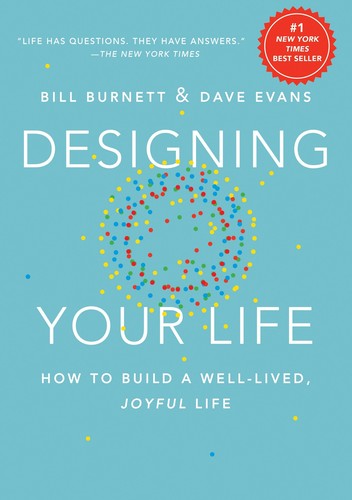
Designing Your Life by Bill Burnett and Dave Evans book cover

1. Designing Your Life

Bill Burnett and Dave Evans · 2016

Two Stanford design professors treat your career like a design problem, not a decision you make once and live with.

The reframe here is the whole value: Burnett and Evans stop treating your career like a puzzle with one hidden correct answer and start treating it like a design problem you prototype your way toward. That single shift (from “figure it out” to “test it out”) is why this book helps people who feel stuck in a way pure introspection books don’t.

The Odyssey Plan exercise, sketching three different plausible five-year lives, is worth the price on its own. It kills the myth that you’re one big decision away from certainty and replaces it with something more honest: several good lives are available, and you get there by testing, not deliberating harder.

Skip it if you already know your next move; this book is for the genuinely undecided. Pair it with Range if you’re specifically wrestling with the specialize-versus-explore question, they complement each other well.

Read it if: you're stuck, mid-career-change, or paralyzed by too many plausible paths and need a process, not more soul-searching

Skip it if: you already know exactly what you want to do next (this book is for the undecided, not the determined)
Full verdict: Designing Your Life →

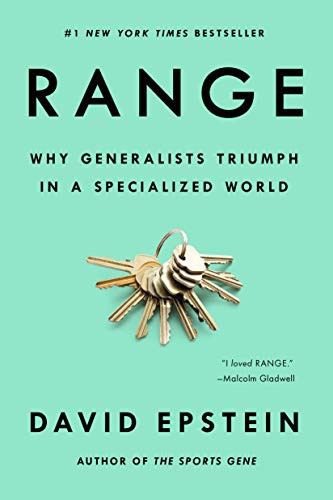
Range by David Epstein book cover

2. Range

David Epstein · 2019

David Epstein's take on self-improvement, the honest verdict is below.

Epstein’s counter to the 10,000-hours narrative: generalists thrive in a complex world. Well-argued and refreshing; read it against ‘Outliers.’ Skip if you want a rigid career prescription, because its lesson is deliberately broad.

Read it if: anyone weighing whether Range belongs on their self-improvement and psychology shelf

Skip it if: you want a different angle than David Epstein's

Full verdict: Range →

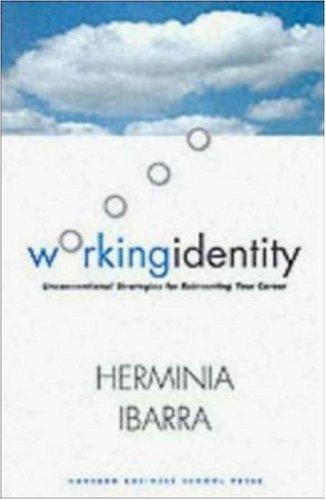
Working Identity by Herminia Ibarra book cover

3. Working Identity

Herminia Ibarra · 2003

An INSEAD professor's research says you don't think your way into a new career, you act your way into one.

Ibarra’s research contradicts the advice most career changers hear first: figure out who you are, then find work that matches. Her case studies of real professionals mid-transition found the reverse order actually works, they acted first through small experiments and let a clearer sense of identity emerge from what the action revealed, not from more reflection.

The three practices, experimenting with new activities, shifting into new networks, and reworking your own narrative, hold up because they’re drawn from real transitions, not built as a motivational framework first and illustrated after the fact.

Skip it if you want a workbook with exercises to fill in; this reads more like a research narrative with the framework embedded in the stories. Pair it with Designing Your Life if you want the process laid out step by step alongside Ibarra’s underlying psychology.

Read it if: you're mid-career, considering a real change, and keep waiting to 'figure it out' before you move

Skip it if: you want a step-by-step workbook (Designing Your Life is the more exercise-driven version of similar advice)

Full verdict: Working Identity →

Frequently Asked Questions

What is the best book for someone considering a career change?

Designing Your Life. Burnett and Evans give you an actual process, prototype, test, iterate, instead of more introspection. The Odyssey Plan exercise (three different plausible five-year futures) kills the myth that there's one correct path waiting to be discovered.

I keep waiting to feel sure before I make a move. What should I read?

Working Identity. Ibarra's research on real career changers found the conventional advice backwards: you don't think your way into clarity and then act, you act your way into clarity through small experiments. If you're stuck waiting to feel certain, this is the book that explains why that wait doesn't end on its own.

I'm not sure if I should specialize or stay broad in my new direction. What should I read?

Range. Epstein's case for generalists is the useful counterweight if part of your hesitation is worrying you've 'wasted' years without a narrow specialty, in complex, unpredictable fields, breadth is often the advantage, not the deficit.

Do I need all three of these, or just one?

If you only read one, read Designing Your Life, it's the most actionable. Add Working Identity if the real blocker is psychological (waiting for certainty). Add Range if the real blocker is feeling behind on specialization.

Keep Reading