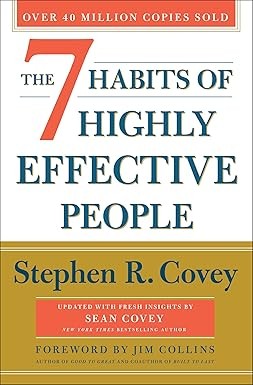
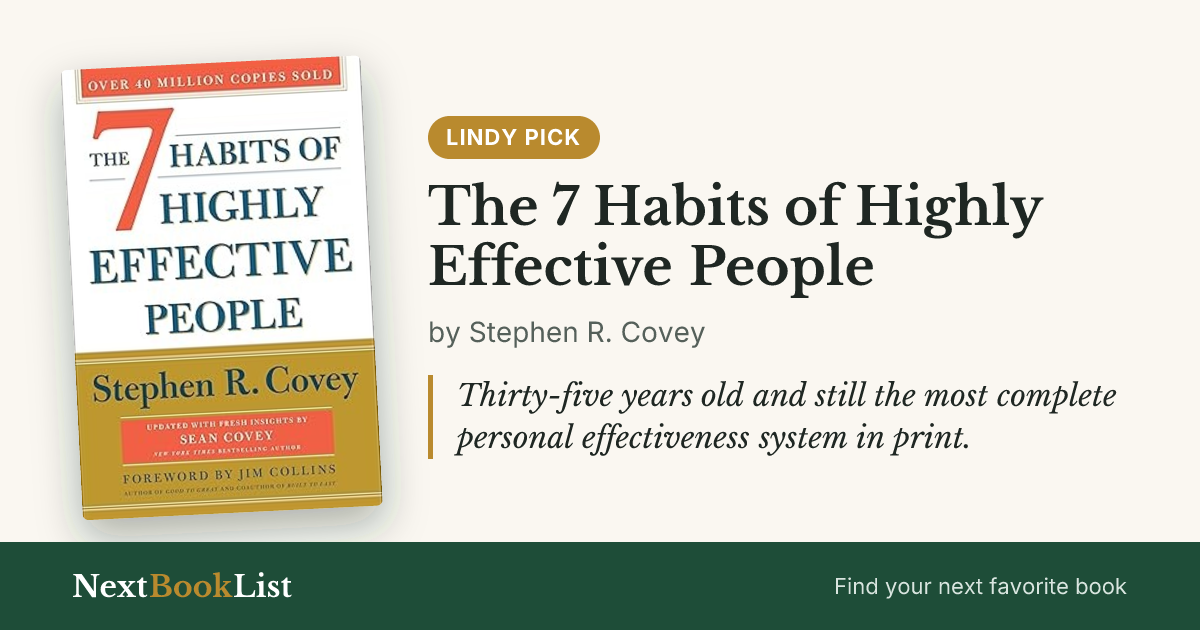
The 7 Habits of Highly Effective People
by Stephen R. Covey · 1989
Thirty-five years old and still the most complete personal effectiveness system in print.
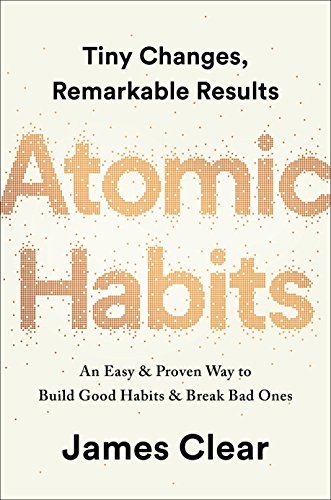
Worth reading? The 7 Habits is still the most complete personal-effectiveness system in print, and it beats Atomic Habits on depth of principle over technique. It earns Lindy status by outlasting every productivity fad since 1989. If corporate-workshop language makes you break out in hives, Covey invented some of it.
| Full Title | The 7 Habits of Highly Effective People: Powerful Lessons in Personal Change |
|---|---|
| Author | Stephen R. Covey |
| Published | 1989 |
| Category | Self-Improvement & Psychology |
| Favorite quote | “Most people do not listen with the intent to understand; they listen with the intent to reply.” |
The Verdict
Begin with the end in mind. Seek first to understand. The habits sound like posters now because Covey wrote them first and everyone copied. Underneath the familiar phrases is a real system built on character rather than technique, which is why it outlasted every productivity fad since 1989.
anyone who wants principles that work at home and at work, not just productivity hacks
corporate-workshop language makes you break out in hives (Covey invented some of it)
Book Summary
Covey argues effectiveness comes from character before technique: be proactive, begin with the end in mind, and put first things first. The inner three habits move you from dependence to independence before the public habits matter. The outer habits, think win-win, seek first to understand, and sharpen the saw, are about interdependent maturity. Under the familiar poster phrases is a real system built on principles, which is why it survived three decades of imitators.
Top 7 Lessons from The 7 Habits of Highly Effective People
- Character beats technique; build the person before the hack.
- Begin with the end in mind or you'll climb the wrong ladder.
- Seek first to understand, then to be understood.
- Most conflict is a listening problem, not a logic one.
- Sharpen the saw; renewal is what keeps the other six working.
- Proactivity is owning your response, not your circumstances.
- Win-win or no deal, walking away beats a deal that breeds quiet resentment.
Top 4 Quotes from The 7 Habits of Highly Effective People
"Most people do not listen with the intent to understand; they listen with the intent to reply."
Stephen R. Covey, The 7 Habits of Highly Effective People
"We see the world, not as it is, but as we are, or, as we are conditioned to see it."
Stephen R. Covey, The 7 Habits of Highly Effective People
"Sow a thought, reap an action; sow an action, reap a habit; sow a habit, reap a character; sow a character, reap a destiny."
Stephen R. Covey, The 7 Habits of Highly Effective People
"Two people can see the same thing, disagree, and yet both be right. It's not logical; it's psychological."
Stephen R. Covey, The 7 Habits of Highly Effective People
Frequently Asked Questions
Is The 7 Habits of Highly Effective People worth reading?
Yes if you want principles that hold at home and at work, not just hacks. Skip it if corporate-workshop language makes you cringe.
What is the main idea of The 7 Habits of Highly Effective People?
Effectiveness rests on character-based principles, private and public, that move you from dependence through independence to interdependen maturity.
How long does it take to read The 7 Habits of Highly Effective People?
The standard paperback runs roughly 370 pages; budget about 7 hours.
Who should read The 7 Habits of Highly Effective People?
Anyone who wants principles that work at home and at work. It's the most complete system in print for reader-first effectiveness.
Ready to read it?
Get The 7 Habits of Highly Effective People on Amazon