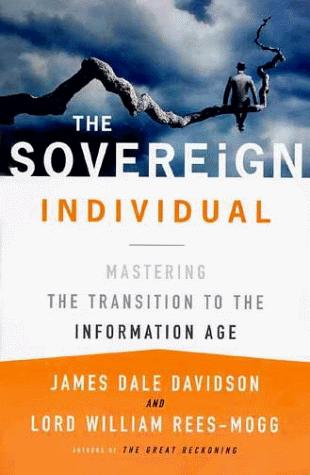
The Sovereign Individual
by James Dale Davidson and Lord William Rees-Mogg · 1997
A 1997 prediction that the internet would break the nation-state's monopoly on taxation and force a new class of location-independent, self-sovereign individuals, cited for years by crypto and tech founders as eerily prescient.
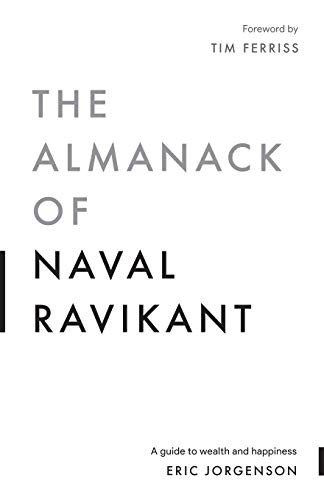
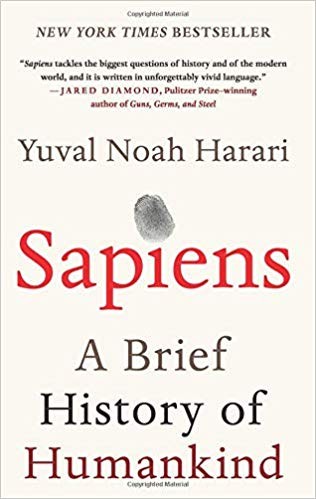
Worth reading? Written years before most people had email, Davidson and Rees-Mogg argued the internet would do to the nation-state what gunpowder did to feudal castles, strip away its ability to tax and control an increasingly mobile, digitally-capable population, and produce a new class of 'sovereign individuals' who could work, bank, and live largely outside any single government's reach. Naval Ravikant has called it the best book he's read since Sapiens, and its influence on crypto and location-independent entrepreneur culture has been significant and well-documented. Read it as a genuinely prescient (if imperfect in its specifics) forecast of digital-age power shifts. Skip it if you want current, up-to-date policy analysis rather than a 1997-era prediction.
| Full Title | The Sovereign Individual: Mastering the Transition to the Information Age |
|---|---|
| Author | James Dale Davidson and Lord William Rees-Mogg |
| Published | 1997 |
| Category | Sociology & Culture |
The Verdict
This book was written before most people had heard of email, and its core prediction, that digital technology would let capable individuals exit the nation-state’s grip rather than just comply with it, reads less like speculation and more like a description of trends that actually played out. That’s exactly why it kept getting rediscovered by crypto and tech founders decades later.
readers interested in how digital technology reshapes the balance of power between individuals and governments
you want current analysis, this was written in 1997 and some specifics are dated even as the core thesis proved influential
Book Summary
The authors' central historical argument is that major shifts in the technology of violence and information have repeatedly redrawn the balance of power between individuals and centralized authority throughout history, from the printing press weakening the Church's information monopoly to gunpowder ending feudal castle-based power. They predicted the internet and digital finance would trigger a similar shift, letting increasingly mobile, skilled individuals exit the nation-state's tax and regulatory reach rather than simply comply with it.
Their forecast of 'sovereign individuals,' highly capable people who could earn, bank, and largely live outside any single jurisdiction's full control, predates and anticipated much of the language later used to describe crypto-native and location-independent entrepreneurs, even though written years before Bitcoin or the modern remote-work economy existed.
Top 7 Lessons from The Sovereign Individual
- Major shifts in information and financial technology have repeatedly redrawn the balance of power between individuals and centralized authority.
- The internet was predicted, years in advance, to weaken the nation-state's ability to tax and control mobile, skilled populations.
- Location independence and digital income sources reduce a government's practical leverage over an individual.
- Historical parallels (printing press vs. Church, gunpowder vs. feudal castles) can predict future power shifts with real accuracy.
- Being 'sovereign' in this framework means having genuine optionality about where you live, bank, and pay tax, not literal lawlessness.
- A prediction written years before its underlying technology matures can still be directionally right even where specifics age poorly.
- This book's influence on crypto and remote-work culture is itself evidence for how seriously its central thesis has been taken.
Frequently Asked Questions
Is The Sovereign Individual worth reading?
Yes, especially for its historically-grounded, genuinely prescient argument about how digital technology would shift power away from nation-states, though some specific predictions from 1997 have aged unevenly.
What is The Sovereign Individual about?
A 1997 argument that the internet and digital finance would erode the nation-state's ability to tax and control an increasingly mobile population, producing a new class of location-independent "sovereign individuals."
Why does Naval Ravikant recommend The Sovereign Individual?
Naval has called it the best book he's read since Sapiens, valuing its prescient framework for understanding how technology shifts power between individuals and centralized institutions, a theme that runs through much of crypto and remote-work culture today.
Ready to read it?
Get The Sovereign Individual on Amazon