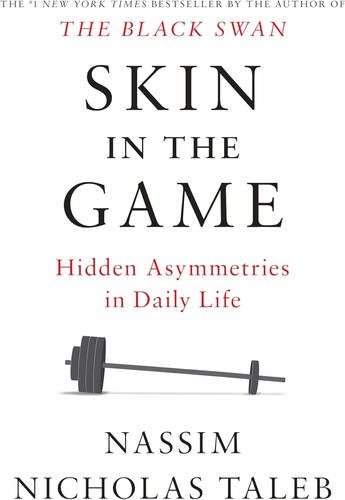
Skin in the Game
by Nassim Nicholas Taleb · 2018
Taleb's argument that nobody should be trusted with an opinion unless they bear the cost if it's wrong.
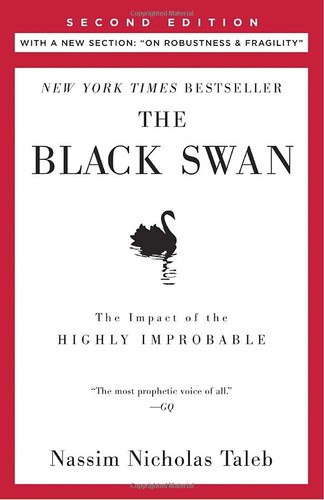
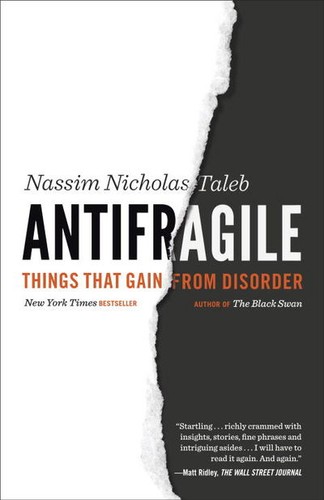
Worth reading? Skin in the Game is the fourth Incerto book, and it's less about a new idea than a lens applied backward over everything Antifragile, The Black Swan, and Fooled by Randomness already argued. Where Antifragile is the sprawling theory of gaining from disorder and The Black Swan is about unpredictable events, this one is Taleb's most concrete and applicable book -- the single filter of "does this person bear the cost of their own advice" cuts through a shocking amount of bad punditry, management theory, and policy debate. Read it after you've read at least one earlier Incerto book -- the ideas here lean on vocabulary (antifragility, the Lindy effect, via negativa) that Taleb doesn't re-explain from scratch. Skip it if you want new theoretical ground -- if you've already absorbed Antifragile's core argument, this is more application than innovation, just applied more forcefully to ethics, risk, and who gets to have an opinion.
| Full Title | Skin in the Game: Hidden Asymmetries in Daily Life |
|---|---|
| Author | Nassim Nicholas Taleb |
| Published | 2018 |
| Publisher | Random House |
| Category | Business & Money |
| Favorite quote | “Don't tell me what you think, tell me what you have in your portfolio.” |
The Verdict
By the fourth Incerto book, Taleb isn’t building new theory so much as sharpening one filter into a weapon: does this person bear the cost of their own advice. Applied to pundits, bureaucrats, and consultants, it’s brutal and mostly correct.
you've read Taleb's earlier books and want the more concrete, applied entry in the Incerto series
you're new to Taleb -- start with The Black Swan or Antifragile, since this one assumes you already know his core vocabulary
Book Summary
The core filter is simple and brutal: never trust the judgment of anyone who doesn't bear the downside risk of being wrong. Pundits, forecasters, consultants, and bureaucrats routinely give advice or make decisions with no personal exposure to the consequences, which systematically biases the whole system toward risk-taking that looks fine on paper and blows up in reality.
Taleb extends this into a broader theory of asymmetry: a small minority with strong preferences and skin in the game (religious dietary rules, for instance) can set the norm for an entire population with weak preferences and no stake in the outcome. This "minority rule" explains cultural and market dynamics that look irrational until you notice who actually has something to lose.
The book also reframes ethics as inseparable from consequence -- real virtue, in Taleb's framing, requires exposure to the downside of your own actions, not a comfortable position of giving advice from a distance. Bureaucrats, journalists, and academics who never personally absorb the cost of their recommendations are, in his view, the most dangerous class of decision-maker in modern society.
Top 9 Lessons from Skin in the Game
- Never trust advice or predictions from someone who doesn't personally bear the cost of being wrong.
- A small, strongly-preferring minority can set the norm for an entire population that has no strong preference either way.
- Bureaucrats and pundits who face no downside from bad advice are structurally biased toward reckless recommendations.
- Real ethics requires exposure to consequences -- comfortable distance from outcomes isn't virtue, it's cover.
- Judge people by what they actually risk, not by what they say they believe.
- Complex systems are steered more by asymmetric incentives than by majority preference.
- The Lindy effect (durability predicts future durability) is itself a form of skin in the game across time -- what survives has already paid its dues.
- Interventionism without personal risk -- especially in foreign policy and economics -- tends to produce fragility disguised as expertise.
- Silent risk (the kind that doesn't show up until it's catastrophic) is more dangerous than visible, priced-in risk.
Top 3 Quotes from Skin in the Game
"Don't tell me what you think, tell me what you have in your portfolio."
Nassim Nicholas Taleb, Skin in the Game
"Never trust anyone who doesn't have skin in the game. Without it, fools and crooks will benefit, and their mistakes will never come back to haunt them."
Nassim Nicholas Taleb, Skin in the Game
"If you see fraud and do not say fraud, you are a fraud."
Nassim Nicholas Taleb, Skin in the Game
Frequently Asked Questions
Is Skin in the Game worth reading?
Yes, if you've already read at least one earlier Incerto book. It's Taleb's most concrete and applicable entry, but it leans on vocabulary from Antifragile and The Black Swan without re-explaining it.
What is the main idea of Skin in the Game?
Don't trust the judgment of anyone who doesn't personally bear the downside risk of being wrong -- a filter Taleb applies to punditry, policy, ethics, and everyday decision-making.
Who should read Skin in the Game?
Existing Taleb readers who want the most concrete, applied book in the Incerto series, rather than newcomers looking for an entry point.
Should I read The Black Swan or Antifragile before this one?
Yes. Skin in the Game assumes you already know concepts like antifragility and the Lindy effect, so it lands better as the fourth book in the series, not the first.
Ready to read it?
Get Skin in the Game on Amazon