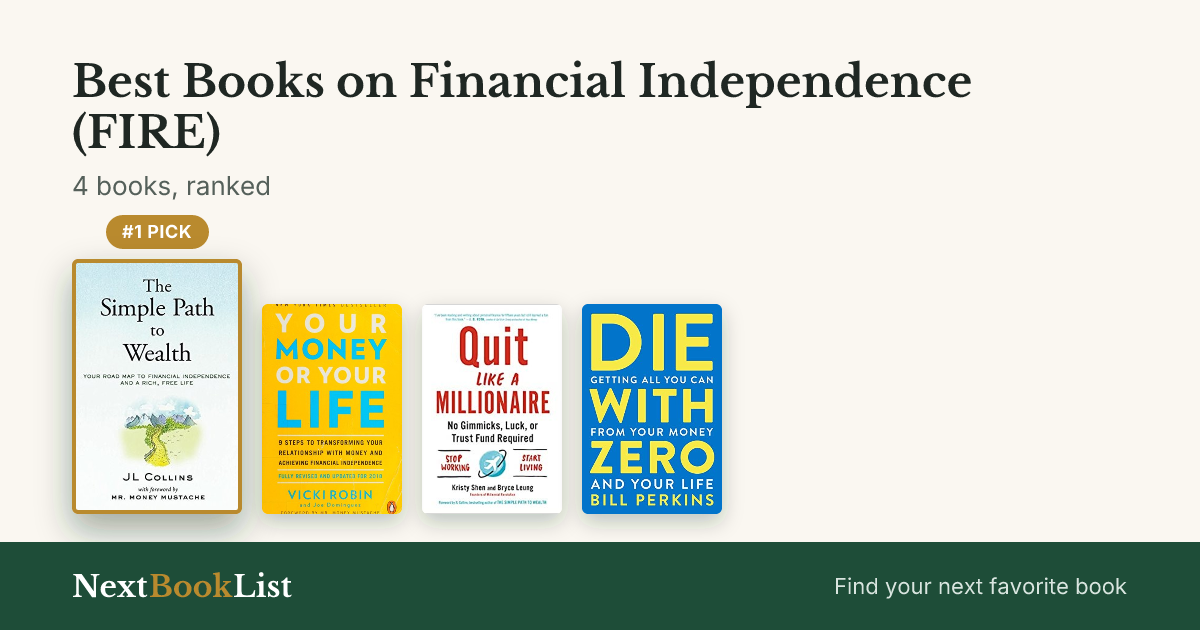
Best Books on Financial Independence (FIRE)

Updated July 21, 2026 · 4 books

Best Books on Financial Independence (FIRE): ranked list of 4 books

The best book to start the FIRE journey is The Simple Path to Wealth, because independence is a math problem before it’s a lifestyle, and Collins proves the math with the fewest moving parts: buy a total market index fund, keep buying through crashes, ignore the noise. If that’s the only FIRE book you read, you’ve already beaten most people chasing the same goal.

Your Money or Your Life comes next, not because the investing advice is better (it isn’t, it predates modern index funds and needed later revisions) but because it defines the actual target. FIRE isn’t a number for its own sake, it’s the point where your assets cover your life energy, and Robin and Dominguez’s exercise of pricing every purchase in hours of your life will change how you spend before you’ve even started investing seriously.

Quit Like a Millionaire is the modern portfolio-mechanics upgrade: real sequence-of-returns math, a bond tent, and geographic arbitrage from someone who actually retired at 31 without a windfall. Save it for once you understand the Simple Path basics, it’s denser and assumes you’re past the beginner stage.

Die with Zero belongs on this list even though it’s not strictly a FIRE book, because it’s the one nobody in the genre wants to read: most people who reach independence keep saving out of habit and never spend on the life the number was supposed to buy. Read it once you’re close, not as your first book.

One warning about this genre: FIRE content rewards obsession with the number over the actual point of having options. Pick your target, run the plan from Collins or Shen, and don’t let the spreadsheet become the hobby that replaces the life you were saving for.

Quick Comparison

#BookBest for
1The Simple Path to WealthJL Collinsbeginners who want one clear investment strategy without jargonAmazon
2Your Money or Your LifeVicki Robin & Joe Dominguezanyone questioning whether the earn-spend-repeat cycle is worth itAmazon
3Quit Like a MillionaireKristy Shen & Bryce Leungyou want a real, numbers-first FIRE story from someone who wasn't already richAmazon
4Die with ZeroBill Perkinssavers and investors who are great at accumulating but bad at ever actually spending itAmazon

The Books

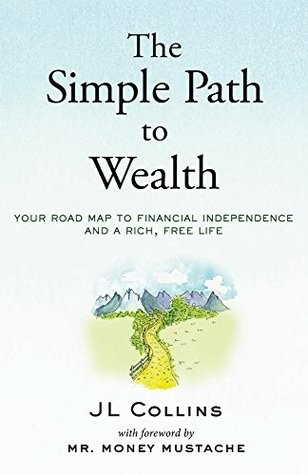
The Simple Path to Wealth by JL Collins book cover

1. The Simple Path to Wealth

JL Collins · 2016

Buy the index fund. Keep buying it. Ignore everything else. A whole book proving why that works.

Started as letters to his daughter, and it reads that way: patient, plain, and certain. Collins makes the case for VTSAX-style total market index investing better than anyone, including why market crashes are expected events, not emergencies. If you read exactly one investing book and then act on it, make it this one.

Read it if: beginners who want one clear investment strategy without jargon

Skip it if: you enjoy picking stocks and want to be talked out of index funds (you won't be)
Full verdict: The Simple Path to Wealth →

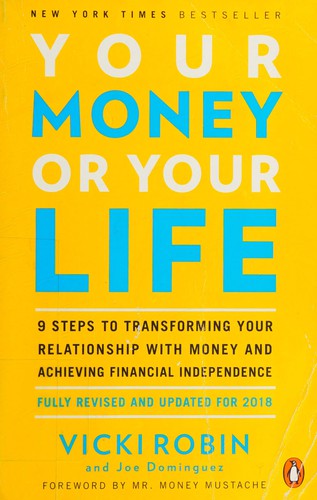
Your Money or Your Life by Vicki Robin & Joe Dominguez book cover

2. Your Money or Your Life

Vicki Robin & Joe Dominguez · 1992

Money is life energy. The book that quietly started the FIRE movement.

The exercise at the heart of this book (calculate your real hourly wage, then price every purchase in hours of your life) permanently changes how you see spending. The nine-step program feels dated in places and the investment advice needed its later revisions. The philosophy doesn’t age: financial independence is about buying back your time.

Read it if: anyone questioning whether the earn-spend-repeat cycle is worth it

Skip it if: you're happy with your career and just want better investment returns

Full verdict: Your Money or Your Life →

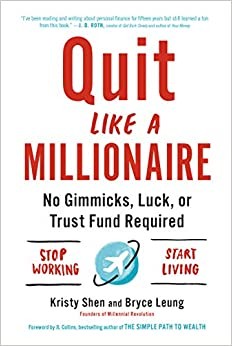
Quit Like a Millionaire by Kristy Shen & Bryce Leung book cover

3. Quit Like a Millionaire

Kristy Shen & Bryce Leung · 2019

A software engineer retired at 31 with no inheritance and no lucky exit. Here's the exact math.

Shen grew up poor in China before immigrating to Canada, and that origin story does real work here: the frugality advice reads like strategy from someone who’s actually been broke, not a lifestyle pose. She retired from software engineering at 31 with no inheritance, no startup exit, just a spreadsheet and discipline.

The book earns its place over vaguer FIRE guides because it shows its work. The bond tent for sequence-of-returns risk, the actual withdrawal math, the geographic arbitrage playbook, these are specifics you can act on, not just a mindset shift. Skip it if you need US-specific tax guidance; some of the account advice leans Canadian.

Read it if: you want a real, numbers-first FIRE story from someone who wasn't already rich

Skip it if: you want US-only tax and account advice; Shen's playbook leans Canadian and cross-border in places

Full verdict: Quit Like a Millionaire →

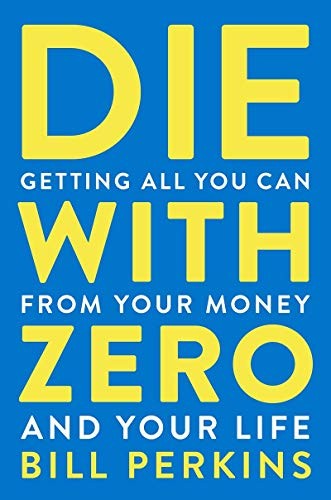
Die with Zero by Bill Perkins book cover

4. Die with Zero

Bill Perkins · 2020

Perkins's case against dying with a pile of unspent money: optimize for life experiences, not net worth.

Die with Zero is the counterweight most personal-finance advice never gives you: money’s only value is the experiences and memories it buys, and most people over-save and under-live because nobody ever told them to stop. Perkins’s math on time-boxing experiences to your physical ability to enjoy them is the book’s sharpest idea. Skip it if you haven’t built the saving habit yet, this book assumes you already have money, and is about what to do with it.

Read it if: savers and investors who are great at accumulating but bad at ever actually spending it

Skip it if: you already struggle to save and need a saving system, not permission to spend

Full verdict: Die with Zero →

Frequently Asked Questions

What is the best book to start the FIRE (Financial Independence, Retire Early) journey?

The Simple Path to Wealth. Collins strips investing down to one repeatable move, buy a low-cost total market index fund and hold it through every crash, which is the actual engine behind most FIRE portfolios. Start here before touching the philosophy or the advanced tactics.

Your Money or Your Life or The Simple Path to Wealth?

Robin and Dominguez define what financial independence actually means, the point your life energy stops being traded for money you don't need. Collins tells you how to invest once you're saving. Read Robin and Dominguez first for the why, Collins for the how.

Is Quit Like a Millionaire a good FIRE book for beginners?

It's better as a second book. Shen's portfolio math, especially the bond tent for sequence-of-returns risk, assumes you already understand basic index investing. Read The Simple Path to Wealth first, then Quit Like a Millionaire for the specifics on protecting an early retirement portfolio.

I've already reached financial independence. What should I read?

Die with Zero. Perkins's whole argument is that most people who reach FIRE keep the saving habit running out of momentum and never actually spend on the life the number was supposed to buy. It's the book almost nobody in this genre reads, because the genre is obsessed with getting there, not what happens after.

Do I need to read all four of these books?

No. Read The Simple Path to Wealth for the mechanics and Your Money or Your Life for the philosophy, that covers 90% of what most people need. Add Quit Like a Millionaire if you want deeper portfolio mechanics, and Die with Zero once you're actually close to your number.

Keep Reading