Best Books on Financial Freedom: 12 That Get You Independent

Updated July 19, 2026 · 12 books

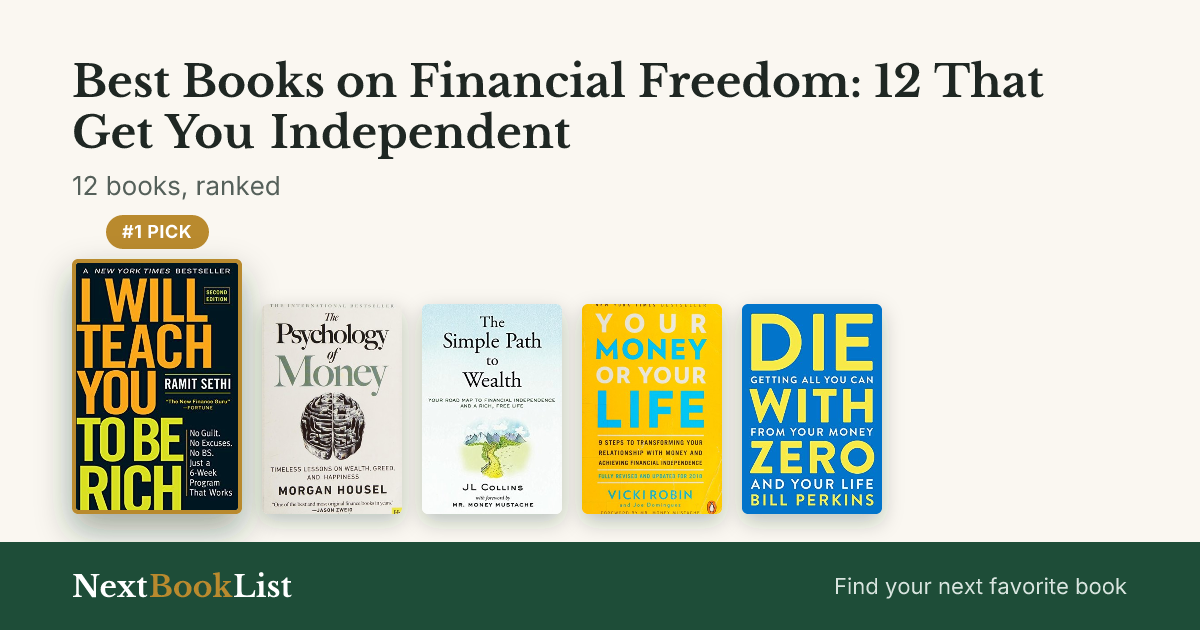
Best Books on Financial Freedom: 12 That Get You Independent: ranked list of 12 books

The best book on financial freedom for most people is I Will Teach You to Be Rich, because freedom starts with a system that runs without willpower, automate savings, kill fees, invest on autopilot. Sethi gets you moving without demanding you live like a monk. Pair it with The Psychology of Money so your behavior doesn’t undo the system.

The ladder then goes: Simple Path to Wealth for the decades-long conviction that low-cost indexing plus time beats everything; Your Money or Your Life for the actual definition of freedom (your assets covering your life energy). Die with Zero and The Art of Spending Money follow immediately after, because reaching freedom and knowing what to do with it are two different problems, most people solve the first and never touch the second. Total Money Makeover is there if you’re digging out of debt first.

Then the frame that keeps it all from collapsing back into status-seeking. Rich Dad Poor Dad (assets vs. liabilities), its follow-up CASHFLOW Quadrant (why freedom lives in the Business and Investment columns, not the Employee one), The Millionaire Next Door (how real wealth actually lives), The Richest Man in Babylon (the 1926 bedrock: save a tenth, avoid debt), and The Almanack of Naval Ravikant (wealth as freedom, not signals).

One warning: financial-freedom books are where people read ten of them and change nothing. Pick Sethi, run his automation this week, and let compound interest do the rest.

Quick Comparison

#BookBest for
1I Will Teach You to Be RichRamit Sethianyone in their 20s or 30s who wants their finances automated and doneAmazon
2The Psychology of MoneyMorgan Houselanyone who earns money and makes decisions about it, especially beginnersAmazon
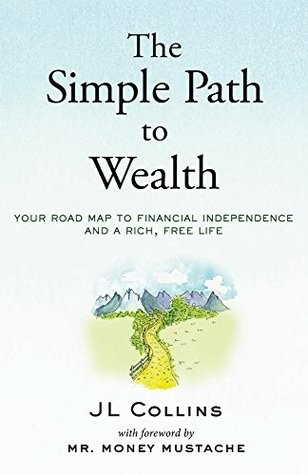
3The Simple Path to WealthJL Collinsbeginners who want one clear investment strategy without jargonAmazon
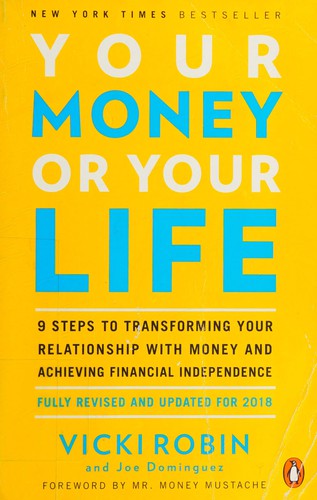
4Your Money or Your LifeVicki Robin & Joe Dominguezanyone questioning whether the earn-spend-repeat cycle is worth itAmazon
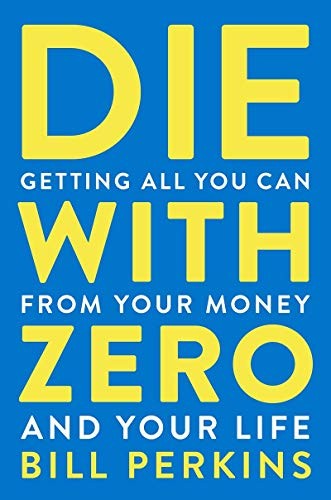
5Die with ZeroBill Perkinssavers and investors who are great at accumulating but bad at ever actually spending itAmazon
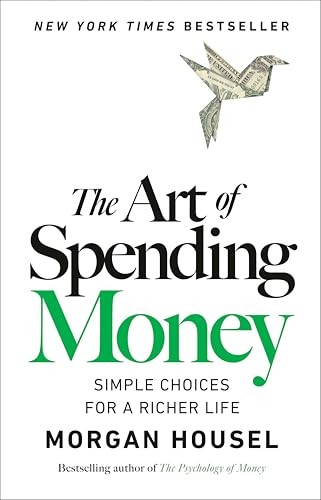
6The Art of Spending MoneyMorgan Houselreaders who've mastered saving and investing but feel no better for itAmazon
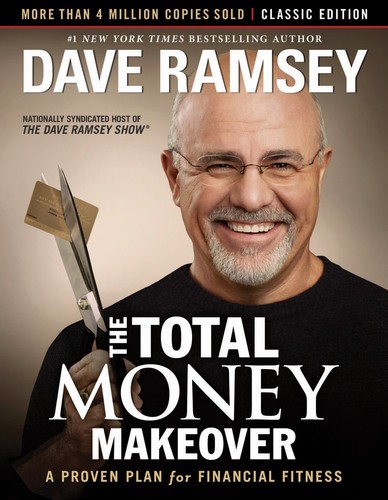
7The Total Money MakeoverDave Ramseyanyone buried in consumer debt who needs a strict, proven escape planAmazon
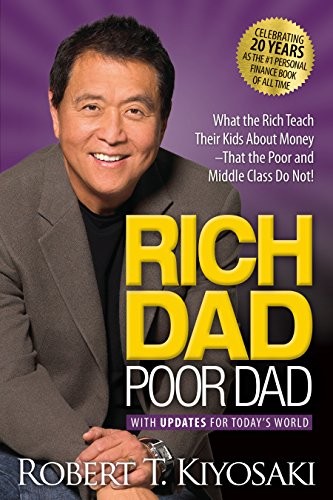
8Rich Dad Poor DadRobert T. Kiyosakicomplete beginners who need a mindset shift about earning versus owningAmazon
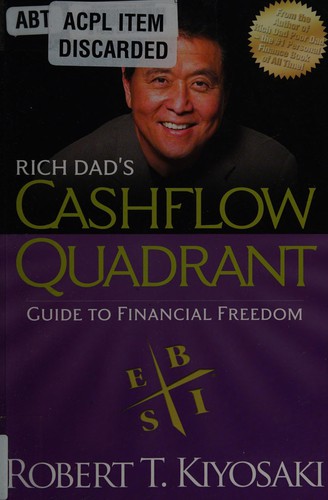
9Rich Dad’s CASHFLOW QuadrantRobert T. Kiyosakiemployees ready to move from trading time to owning assets and businessesAmazon
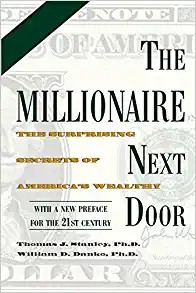
10The Millionaire Next DoorThomas J. Stanley & William D. Dankoanyone who believes wealth looks like a lifestyle upgradeAmazon
11The Richest Man in BabylonGeorge S. Clasonbeginners who learn better from stories than spreadsheetsAmazon
12The Almanack of Naval RavikantEric Jorgensonbuilders who want to think about leverage, equity, and specific knowledgeAmazon

The Books

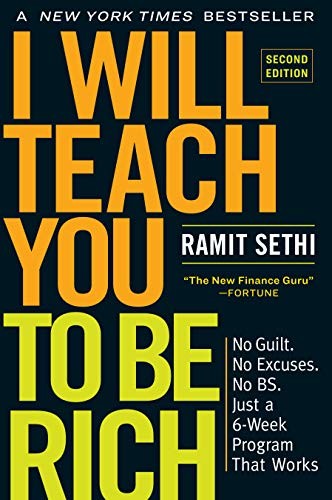
I Will Teach You to Be Rich by Ramit Sethi book cover

1. I Will Teach You to Be Rich

Ramit Sethi · 2009

The most practical personal finance book in print. A literal six-week checklist for your money.

Sethi skips the latte-shaming and gives you systems: which accounts to open, exact scripts for negotiating fees, how to automate investing so willpower is irrelevant. The tone is cocky and some readers hate it. Doesn’t matter. Follow the six-week program and your finances will be better organized than 90% of people you know.

Read it if: anyone in their 20s or 30s who wants their finances automated and done

Skip it if: you've already automated your accounts and investments (you are the after picture)
Full verdict: I Will Teach You to Be Rich →

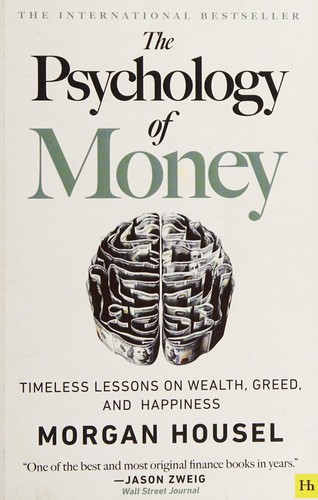
The Psychology of Money by Morgan Housel book cover

2. The Psychology of Money

Morgan Housel · 2020

Money decisions are behavior problems, not math problems. This book proves it in 19 short stories.

Housel writes like a friend who happens to be one of the best finance writers alive. Each chapter is a standalone essay: why rich people go broke, why enough beats more, why time beats timing. No formulas, no jargon. It changes how you think about money rather than what you do with it this week, which is exactly why it sticks.

Read it if: anyone who earns money and makes decisions about it, especially beginners

Skip it if: you want tactical advice like which funds to buy (this book is deliberately not that)

Full verdict: The Psychology of Money →

The Simple Path to Wealth by JL Collins book cover

3. The Simple Path to Wealth

JL Collins · 2016

Buy the index fund. Keep buying it. Ignore everything else. A whole book proving why that works.

Started as letters to his daughter, and it reads that way: patient, plain, and certain. Collins makes the case for VTSAX-style total market index investing better than anyone, including why market crashes are expected events, not emergencies. If you read exactly one investing book and then act on it, make it this one.

Read it if: beginners who want one clear investment strategy without jargon

Skip it if: you enjoy picking stocks and want to be talked out of index funds (you won't be)

Full verdict: The Simple Path to Wealth →

Your Money or Your Life by Vicki Robin & Joe Dominguez book cover

4. Your Money or Your Life

Vicki Robin & Joe Dominguez · 1992

Money is life energy. The book that quietly started the FIRE movement.

The exercise at the heart of this book (calculate your real hourly wage, then price every purchase in hours of your life) permanently changes how you see spending. The nine-step program feels dated in places and the investment advice needed its later revisions. The philosophy doesn’t age: financial independence is about buying back your time.

Read it if: anyone questioning whether the earn-spend-repeat cycle is worth it

Skip it if: you're happy with your career and just want better investment returns

Full verdict: Your Money or Your Life →

Die with Zero by Bill Perkins book cover

5. Die with Zero

Bill Perkins · 2020

Perkins's case against dying with a pile of unspent money: optimize for life experiences, not net worth.

Die with Zero is the counterweight most personal-finance advice never gives you: money’s only value is the experiences and memories it buys, and most people over-save and under-live because nobody ever told them to stop. Perkins’s math on time-boxing experiences to your physical ability to enjoy them is the book’s sharpest idea. Skip it if you haven’t built the saving habit yet, this book assumes you already have money, and is about what to do with it.

Read it if: savers and investors who are great at accumulating but bad at ever actually spending it

Skip it if: you already struggle to save and need a saving system, not permission to spend

Full verdict: Die with Zero →

The Art of Spending Money by Morgan Housel book cover

6. The Art of Spending Money

Morgan Housel · 2025

Housel's follow-up to The Psychology of Money, turned toward the harder, less-discussed half: how to actually spend it well.

Housel spent his last book on why people mismanage money; this one is about why having money doesn’t automatically make people happier, and what spending choices actually do. It’s shorter and more reflective than tactical, in keeping with his style, more a set of reframes than a system. Skip it if you’re still in the saving phase; the book’s entire premise is that you already have money and aren’t sure what to do with it.

Read it if: readers who've mastered saving and investing but feel no better for it

Skip it if: you haven't built the saving habit yet, this book assumes money to spend, not accumulate

Full verdict: The Art of Spending Money →

The Total Money Makeover by Dave Ramsey book cover

7. The Total Money Makeover

Dave Ramsey · 2003

Seven baby steps out of debt. Blunt, rigid, and effective for the people who need it most.

The debt snowball is mathematically suboptimal and psychologically perfect: pay the smallest debt first, feel the win, keep going. Ramsey’s rules are rigid because the people this book serves need rules, not nuance. If you have debt and no plan, this works. If you’re past that stage, his investing advice is skippable.

Read it if: anyone buried in consumer debt who needs a strict, proven escape plan

Skip it if: you're debt-free and optimizing investments (Ramsey's math is deliberately conservative)

Full verdict: The Total Money Makeover →

Rich Dad Poor Dad by Robert T. Kiyosaki book cover

8. Rich Dad Poor Dad

Robert T. Kiyosaki · 1997

The book that taught a generation the difference between assets and liabilities.

The advice is simple and the storytelling is loose with facts, but the core lesson survives every criticism: buy assets that pay you, avoid liabilities that drain you, and don’t confuse your house with an investment. Read it in a weekend, take the mindset, then graduate to better books for the how.

Read it if: complete beginners who need a mindset shift about earning versus owning

Skip it if: you want specific, actionable investment steps (the details here are thin and dated)

Full verdict: Rich Dad Poor Dad →

Rich Dad’s CASHFLOW Quadrant by Robert T. Kiyosaki book cover

9. Rich Dad’s CASHFLOW Quadrant

Robert T. Kiyosaki · 1998

Kiyosaki's map of the four ways to earn, and why the right side buys your freedom.

The CASHFLOW Quadrant splits earners into E/S/B/I and pushes you toward Business and Investment income for freedom. It’s a companion to Rich Dad Poor Dad, more conceptual, less story. Skip it if you’ve already internalized ‘own assets, not just a job.’

Read it if: employees ready to move from trading time to owning assets and businesses

Skip it if: you're happy as an employee and want pure investing advice

Full verdict: Rich Dad’s CASHFLOW Quadrant →

The Millionaire Next Door by Thomas J. Stanley & William D. Danko book cover

10. The Millionaire Next Door

Thomas J. Stanley & William D. Danko · 1996

Real millionaires drive used cars and live below their means. The data behind the cliché.

Stanley and Danko surveyed actual millionaires and found frugal business owners, not flashy spenders. The finding that high income and high net worth are barely related still surprises people thirty years later. The book repeats itself and the data is dated, but the core lesson (wealth is what you don’t spend) survives untouched.

Read it if: anyone who believes wealth looks like a lifestyle upgrade

Skip it if: you want investment tactics (this is a study of behavior, not a how-to)

Full verdict: The Millionaire Next Door →

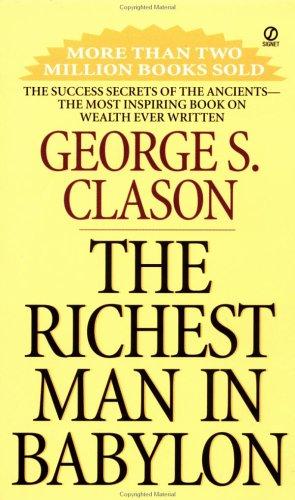
The Richest Man in Babylon by George S. Clason book cover

11. The Richest Man in Babylon

George S. Clason · 1926

Pay yourself first. A century of personal finance advice traces back to this little book of parables.

Every rule in modern personal finance appears here first: save a tenth of what you earn, avoid debt, make your gold work for you, don’t chase schemes. The Babylonian parable format is a gimmick, but it’s the reason people remember the lessons 100 years later. Two hours to read, a lifetime to apply.

Read it if: beginners who learn better from stories than spreadsheets

Skip it if: the faux-ancient "thee and thou" prose annoys you (it wears on some readers fast)

Full verdict: The Richest Man in Babylon →

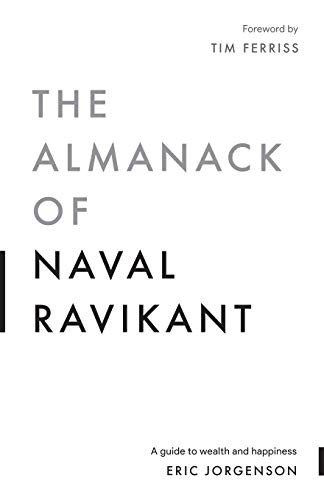
The Almanack of Naval Ravikant by Eric Jorgenson book cover

12. The Almanack of Naval Ravikant

Eric Jorgenson · 2020

Wealth and happiness compressed into aphorisms. Free online, worth owning anyway.

A curated collection of Naval’s tweets, podcasts, and essays on getting rich without getting lucky: seek specific knowledge, use leverage (code, media, capital), play long-term games with long-term people. The happiness half is weaker than the wealth half, but the wealth half is dense enough to reread yearly.

Read it if: builders who want to think about leverage, equity, and specific knowledge

Skip it if: you dislike aphorism-style wisdom without step-by-step application

Full verdict: The Almanack of Naval Ravikant →

Frequently Asked Questions

What is the best book on financial freedom for a beginner?

I Will Teach You to Be Rich by Ramit Sethi. It's the most actionable starting point, automate your savings, kill the fees, invest on autopilot, without demanding monastic sacrifice. Pair it with The Psychology of Money for the behavior that keeps you on track.

I Will Teach You to Be Rich or The Simple Path to Wealth?

Sethi to set up the system in your 20s, Collins to understand the why and stay the course for decades. Read Sethi first for the mechanics, then Simple Path for the long-game conviction that index funds plus time beats everything.

What book actually defines financial freedom, not just saving?

Your Money or Your Life. It reframes the whole equation around life energy, every dollar costs you hours of life, and walks you toward the point where your assets cover your spending. It's the philosophical core of "freedom," not just "frugality."

Does mindset about money matter as much as the math?

Yes, and that's where Rich Dad Poor Dad, The Millionaire Next Door, and The Almanack of Naval Ravikant come in. Kiyosaki on assets vs. liabilities, Stanley on how real millionaires actually live, Naval on wealth as freedom rather than status. The math fails without the frame.

I've hit financial freedom. Now what?

Die with Zero and The Art of Spending Money. Perkins argues most people who reach independence keep saving out of habit instead of ever actually spending on the experiences that money was for. Housel's follow-up to The Psychology of Money asks the harder question of what to actually do with money once you have it.

Keep Reading