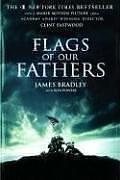
Flags of Our Fathers
by James Bradley · 2000
One of the most famous photographs of World War II turned six exhausted soldiers into instant heroes -- and Bradley, whose father was one of them, found a much harder story underneath the iconic image.
Worth reading? Flags of Our Fathers earns its emotional weight honestly. Bradley isn't just retelling a famous photograph, he's correcting the record on who was actually in it, what happened to them afterward, and how badly the government's PR machine used their exhaustion and trauma to sell war bonds. The personal stake, his own father's silence about the war, makes the reporting hit harder.
| Author | James Bradley |
|---|---|
| Published | 2000 |
| Publisher | Bantam Books |
| Category | History |
| Favorite quote | “That is how we always keep our beloved dead alive, isn't it? By telling stories about them; true stories.” |
The Verdict
Bradley’s personal stake changes what could have been a standard battle history into something closer to an investigation into his own family’s silence. He’s not just explaining Iwo Jima, he’s explaining why his father never talked about it.
The war bond tour chapters are the most quietly damning part of the book. Watching exhausted, traumatized young men get paraded as symbols for fundraising, while the actual details of what they’d survived went largely unexamined, reframes the whole “hero” narrative the photograph is famous for.
Read it if you want the real, complicated story behind one of the most reproduced images of the twentieth century. Skip it if you want a wide-lens history of the Pacific War rather than one battle and its aftermath.
you want to understand the real story, and the real cost, behind the Iwo Jima flag-raising photo, told by the son of one of the men in it
you want a broad Pacific theater history -- this stays focused on Iwo Jima and the flag-raisers specifically, not the wider war

Book Summary
Bradley reconstructs the battle of Iwo Jima and the specific moment when a group of Marines raised a flag on Mount Suribachi, an image photographed a second time (the famous version) after an initial, less photogenic flag-raising had already happened, a detail the public was never told at the time.
The book follows the six men identified in the photo, including Bradley's own father, John "Doc" Bradley, through the brutal battle itself and then into a jarring second act: several of the surviving flag-raisers were pulled off the front and sent on a nationwide war bond tour, treated as heroes for a photograph rather than for the specific things they'd actually done in combat.
Bradley's deeper argument is about the gap between the myth manufactured around the photograph and the lived experience of the men in it -- several struggled with what would now be recognized as PTSD, one died in poverty, and Bradley's own father never spoke about the war until his death, leaving his son to piece the story together afterward.
Top 7 Lessons from Flags of Our Fathers
- The iconic flag-raising photograph captured a second, staged-for-a-better-shot flag-raising, not the first one that actually secured the position -- a detail the wartime public relations machine never corrected.
- Being identified as a hero in a famous photograph didn't protect the flag-raisers from the same psychological toll as any other combat veteran, and in some cases compounded it with unwanted public attention.
- The government's war bond tour used the survivors' fame for the photograph while largely ignoring the specific, and often more harrowing, combat experiences that preceded it.
- Bradley's own father, Doc Bradley, never discussed the war with his family, and Bradley only pieced together his father's experience after his death, illustrating how many WWII veterans processed trauma through silence.
- The battle of Iwo Jima itself, largely overshadowed in public memory by the photograph it produced, was one of the bloodiest of the Pacific campaign, with casualty rates the book documents in stark detail.
- Fame built on a single image can distort how a person is remembered, flattening a complicated wartime experience into a simple, marketable symbol.
- The book complicates the standard hero narrative of WWII without diminishing the men's actual courage in combat -- it separates the manufactured myth from the real, harder story underneath it.
Top 3 Quotes from Flags of Our Fathers
"Today the word 'hero' has been diminished, confused with 'celebrity.' But in my father's generation the word meant something. Celebrities seek fame. They take actions to get attention. Most often, the actions they take have no particular moral content. Heroes are heroes because they have risked something to help others."
James Bradley, Flags of Our Fathers
"When I asked him, fifty-three years after the event, 'Mr. Lucas, why did you jump on those grenades?' he did not hesitate with his answer: 'To save my buddies.'"
James Bradley, Flags of Our Fathers
"That is how we always keep our beloved dead alive, isn't it? By telling stories about them; true stories."
James Bradley, Flags of Our Fathers
Frequently Asked Questions
Is Flags of Our Fathers worth reading?
Yes -- it's a well-reported correction to the myth around a famous photograph, with real emotional stakes since the author's own father was one of the flag-raisers.
Is Flags of Our Fathers a true story?
Yes -- it's nonfiction, based on James Bradley's research into his father's and the other flag-raisers' actual experiences.
Was the famous photo staged?
Not exactly staged, but it captured a second flag-raising after an initial flag had already gone up, a distinction the public was never told during the war.
Did Clint Eastwood adapt this book into a movie?
Yes -- Eastwood directed a 2006 film adaptation of the same name.
Ready to read it?
Get Flags of Our Fathers on Amazon