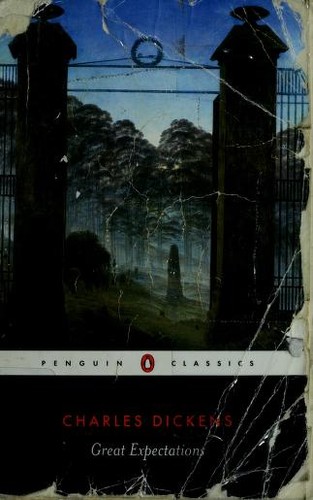
Great Expectations
by Charles Dickens · 1861
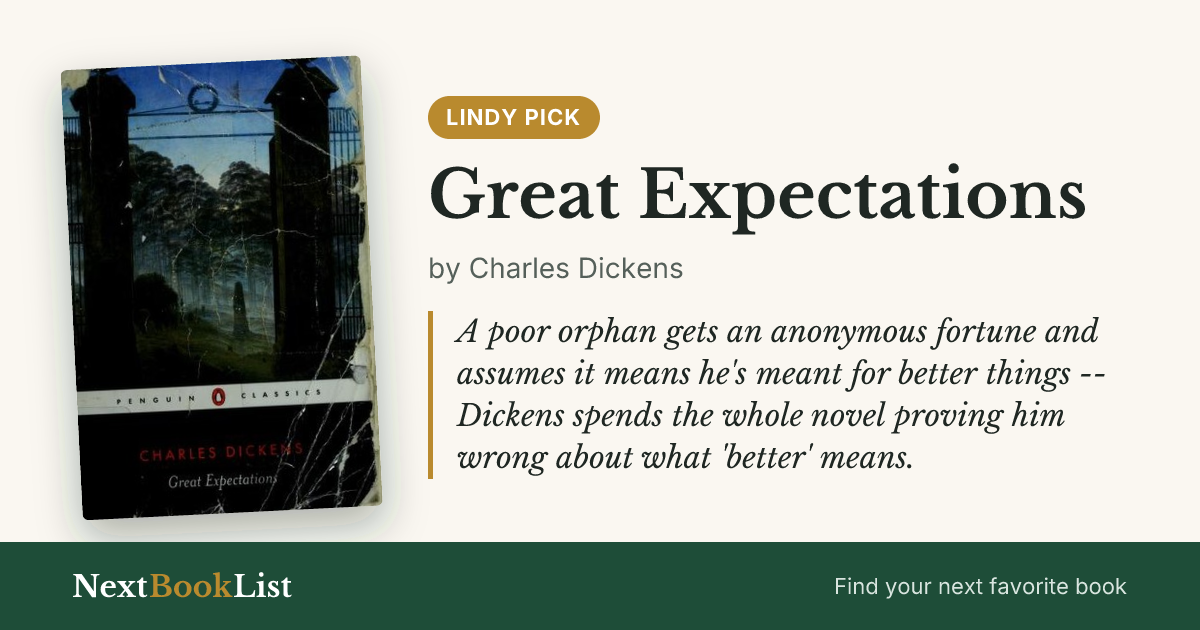
A poor orphan gets an anonymous fortune and assumes it means he's meant for better things -- Dickens spends the whole novel proving him wrong about what 'better' means.
Worth reading? Great Expectations earns its spot as one of Dickens's most enduring novels because Pip is allowed to be genuinely unlikable -- ashamed of Joe, cruel to people who love him, chasing status for its own sake -- and the book makes him earn his way back. It beats Oliver Twist as a Dickens entry point for older readers because the moral stakes are internal, not just plot-driven.
| Author | Charles Dickens |
|---|---|
| Published | 1861 |
| Publisher | Penguin Classics |
| Category | Fiction |
| Favorite quote | “In the little world in which children have their existence, whosoever brings them up, there is nothing so finely perceived and so finely felt, as injustice.” |
The Verdict
Pip’s snobbery is the point, not a flaw in the writing. Dickens lets him be genuinely embarrassed by Joe, genuinely cruel in small ways, and genuinely wrong about what his fortune means – then makes him earn his way back to decency instead of handing it to him.
The Magwitch reveal is still one of the best twists in 19th-century fiction, mostly because it isn’t just a plot surprise. It’s a direct rebuke of everything Pip believed about where his worth came from.
you want a coming-of-age novel about class, shame, and misplaced gratitude, with one of Dickens's best villains and one of his strangest tragic figures
you want a straightforward hero's journey -- Pip is often unlikable on purpose, and the novel is more interested in correcting his snobbery than rewarding his ambition
Book Summary
Pip, a poor orphan raised by his sister and her kind blacksmith husband Joe, receives a mysterious fortune from an anonymous benefactor and assumes it's from the wealthy, embittered Miss Havisham, meant to prepare him to marry her cold, manipulated ward Estella. He moves to London, becomes a gentleman, and grows ashamed of his humble origins and the people who actually loved him.
The novel's central twist, that Pip's real benefactor is Magwitch, the escaped convict he once helped as a terrified child, upends Pip's entire class fantasy. His "great expectations" were never about Miss Havisham's approval or Estella's love -- they were funded by a criminal's gratitude, which forces Pip to confront how arbitrary and morally unearned his sense of superiority really was.
Dickens uses Miss Havisham, frozen in her wedding dress since being jilted decades earlier, and Estella, raised specifically to break men's hearts as revenge, as warnings about what unprocessed grief and cruelty do across generations. Pip's real growth isn't gaining wealth -- it's shedding the snobbery the wealth gave him.
Top 8 Lessons from Great Expectations
- Pip's shame about Joe's low social status, once he becomes a 'gentleman,' is the novel's central moral failure -- Dickens frames Pip's ambition as corrosive, not admirable.
- The reveal that Magwitch, not Miss Havisham, is Pip's secret benefactor collapses Pip's entire class fantasy in one stroke.
- Miss Havisham's decision to raise Estella specifically to break men's hearts shows how one person's unprocessed pain can be weaponized against an entire next generation.
- Joe Gargery's steady, uneducated kindness is presented as more genuinely admirable than any of the 'gentlemanly' behavior Pip aspires to in London.
- Estella is honest with Pip from the start that she cannot love him -- his refusal to accept this is his own doing, not her deception.
- Pip's convict encounter as a terrified child, helping Magwitch out of fear, turns out to be the single most consequential act of his entire life, decades before he understands why.
- Miss Havisham's eventual remorse and apology to Pip late in the novel is one of the few moments of real redemption Dickens grants a character who caused so much damage.
- Pip's financial ruin after Magwitch's fortune is seized forces him to rebuild a version of adulthood based on honest work rather than inherited status.
Top 4 Quotes from Great Expectations
"In the little world in which children have their existence, whosoever brings them up, there is nothing so finely perceived and so finely felt, as injustice."
Charles Dickens, Great Expectations
"Take nothing on its looks; take everything on evidence. There's no better rule."
Charles Dickens, Great Expectations
"Suffering has been stronger than all other teaching, and has taught me to understand what your heart used to be."
Charles Dickens, Great Expectations
"We need never be ashamed of our tears."
Charles Dickens, Great Expectations
Frequently Asked Questions
Is Great Expectations worth reading?
Yes -- it's one of Dickens's tightest, most character-driven novels, and Pip's arc from ashamed snob back to someone worth respecting is genuinely well built.
Is Pip a likable narrator?
Not always, and that's intentional. He's often cruel to people who love him once he gains money and status, and the novel is about correcting that, not excusing it.
What is the twist in Great Expectations?
Pip's anonymous benefactor turns out to be Magwitch, an escaped convict Pip helped as a child, not Miss Havisham as Pip (and the reader) is led to assume.
Who should read Great Expectations?
Readers who want a coming-of-age story about class and misplaced gratitude with real moral stakes. Skip it if you want an uncomplicated, likable hero from page one.
Ready to read it?
Get Great Expectations on Amazon