Best Classic Novels: 14 Everyone Should Read Once

Updated July 16, 2026 · 14 books

Best Classic Novels: 14 Everyone Should Read Once: ranked list of 14 books

The best classic novel to start with is Pride and Prejudice, and it’s not close. Jane Austen’s dialogue is sharper than most novels written in the last decade, the plot has actual momentum, and at under 450 pages it doesn’t demand a life commitment. If you’ve been putting off “the classics” out of dread, start here and let it prove the whole category isn’t homework.

Two more Austen novels round out the easy end: Emma (her funniest, a matchmaker who can’t read her own heart) and Persuasion (her last, quieter and more melancholy, about a second chance most novels don’t bother writing).

From there, triage by length and mood. Jane Eyre, Great Expectations, and Wuthering Heights are all under 600 pages and built around a single, obsessive protagonist — good if you want the classic-novel experience without the classic-novel time investment. Moby-Dick, Crime and Punishment, Middlemarch, and Vanity Fair sit in the middle: longer, denser, but still built around one central story you can hold in your head. Skip straight to Don Quixote if you want something funnier and looser than its reputation suggests.

The real commitment reads are Anna Karenina, Les Miserables, and War and Peace. All three are worth it, none of them are casual. War and Peace in particular tracks dozens of characters through a decade of Russian history — don’t start it expecting to finish in a month, and don’t start it at all unless you’re genuinely interested in the size of the thing.

One honest warning: nobody needs to read all 12 of these to be well-read. This list exists so you can pick 2 or 3 that match what you actually want (romance, crime, war, obsession) instead of grinding through a syllabus out of guilt.

Quick Comparison

#BookBest for
1Pride and PrejudiceJane Austenyou want sharp, funny, socially observant fiction about money, marriage, and getting your first impression of someone completely wrongAmazon
2Jane EyreCharlotte Bronteyou want a first-person narrator with a genuine spine, in a gothic plot with a mad-woman-in-the-attic twist that still landsAmazon
3Great ExpectationsCharles Dickensyou want a coming-of-age novel about class, shame, and misplaced gratitude, with one of Dickens's best villains and one of his strangest tragic figuresAmazon
4Wuthering HeightsEmily Bronteyou want gothic, obsessive, morally ugly fiction about a love that destroys everyone near it, told through a deliberately unreliable narratorAmazon
5Moby-DickHerman Melvilleyou want the great American novel about obsession, and you're willing to sit through digressions on cetology to earn the endingAmazon
6Crime and PunishmentFyodor Dostoevskyyou want the foundational psychological novel, the one that basically invented the modern crime-and-guilt narrative before Freud had a name for any of itAmazon
7MiddlemarchGeorge Eliotyou want the most psychologically precise 19th-century English novel about disappointment, ambition, and marriage, told with real patience for every character's interior lifeAmazon
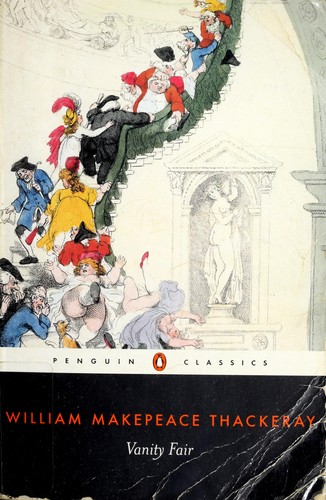
8Vanity FairWilliam Makepeace Thackerayyou want satire with real teeth, a novel that mocks its own heroine's ambition and the society that rewards it in equal measureAmazon
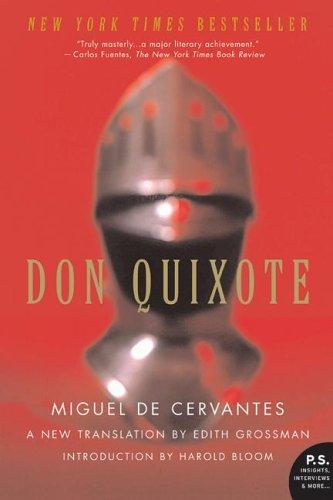
9Don QuixoteMiguel de Cervantesyou want the book that basically invented the modern novel, and you're fine with something that's part comedy, part tragedy, and genuinely longAmazon
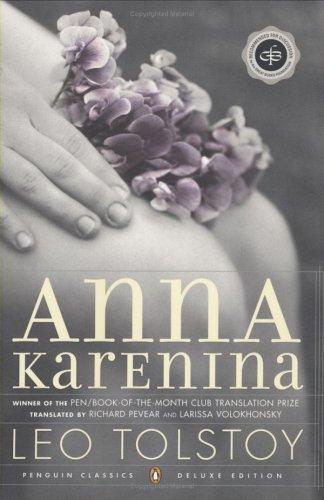
10Anna KareninaLeo Tolstoyyou want the definitive novel about marriage, desire, and social hypocrisy, with a tragic heroine the book never fully condemns or fully excusesAmazon
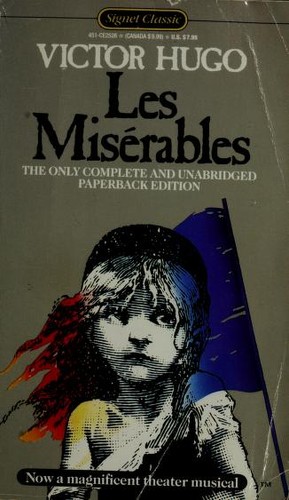
11Les MiserablesVictor Hugoyou want a genuinely massive, morally serious epic about justice, mercy, and revolution, and you're willing to commit 1,200-plus pages to get itAmazon
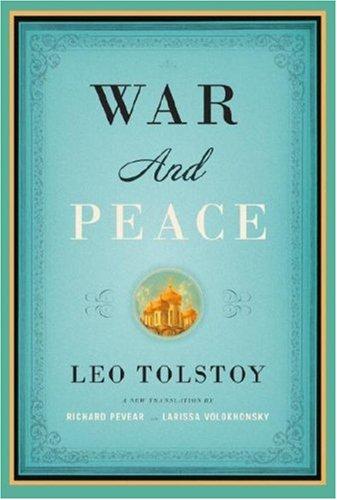
12War and PeaceLeo Tolstoyyou want the single biggest, most ambitious novel in the Western canon, and you're willing to track a large cast through war, marriage, and a genuine philosophical argument about how history worksAmazon
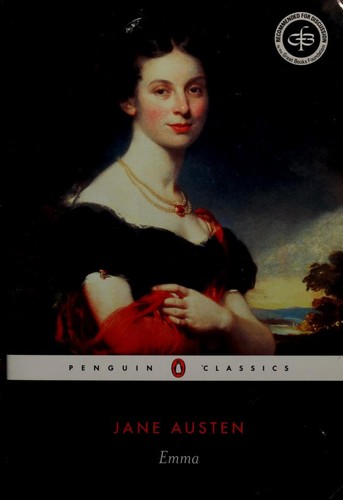
13EmmaJane Austenyou want Austen's funniest, most tightly plotted novel, one where the heroine is genuinely flawed and has to earn her own growth instead of just waiting for a proposalAmazon
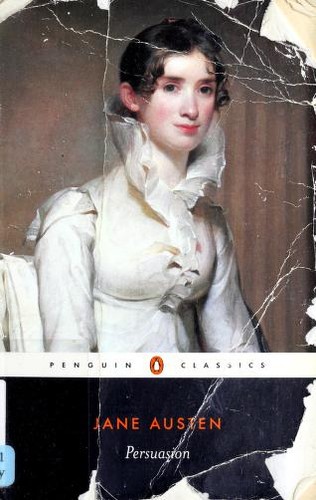
14PersuasionJane Austenyou want Austen's most emotionally mature novel, about regret and second chances rather than a young woman's first romanceAmazon

The Books

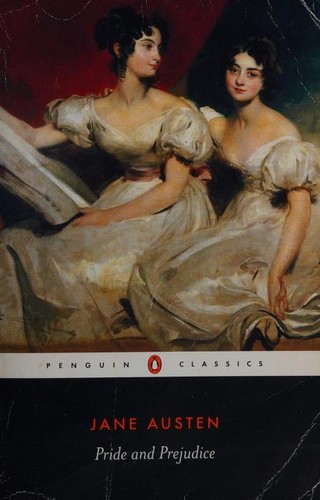
Pride and Prejudice by Jane Austen book cover

1. Pride and Prejudice

Jane Austen · 1813

The original enemies-to-lovers novel, and still the one every romance-comedy plot is quietly ripping off.

Everyone remembers the romance and forgets how funny this book is. Austen’s narration is dry and merciless about nearly every character except Elizabeth and Jane, and even they don’t get a total pass.

The reason this beats most “classic romance” recommendations is that Elizabeth is allowed to be wrong. She’s clever, she’s likable, and she still completely misreads Darcy and Wickham for most of the book. That’s a harder trick to pull off than a simple obstacle-then-happy-ending plot, and it’s why the book has outlasted two centuries of imitators.

Read it if: you want sharp, funny, socially observant fiction about money, marriage, and getting your first impression of someone completely wrong

Skip it if: you need constant plot momentum -- this is a novel of conversation and manners, not action, and the pace is closer to a slow-burn sitcom than a page-turner
Full verdict: Pride and Prejudice →

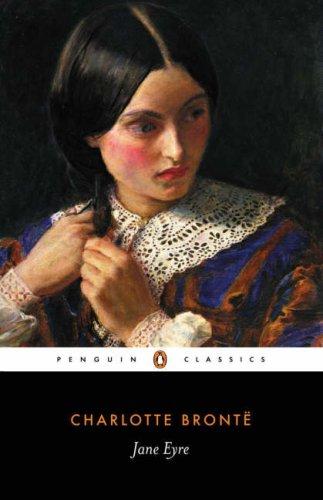
Jane Eyre by Charlotte Bronte book cover

2. Jane Eyre

Charlotte Bronte · 1847

A poor, plain orphan narrates her own life on her own terms -- and refuses every deal that would cost her her self-respect.

The gothic twist gets all the attention, but the reason this book has lasted is Jane’s voice. She’s honest about being poor and plain in a genre that usually rewards its heroines with beauty, and she narrates her own worth instead of waiting for Rochester to confer it on her.

The scene where she walks away from Thornfield rather than become a mistress is still the book’s best moment – not because of the drama, but because it’s the rare 19th-century heroine choosing uncertainty over a compromised deal.

Read it if: you want a first-person narrator with a genuine spine, in a gothic plot with a mad-woman-in-the-attic twist that still lands

Skip it if: you want a straightforward love story with no detours -- the middle section leaves Rochester's house entirely and the novel takes its time getting back

Full verdict: Jane Eyre →

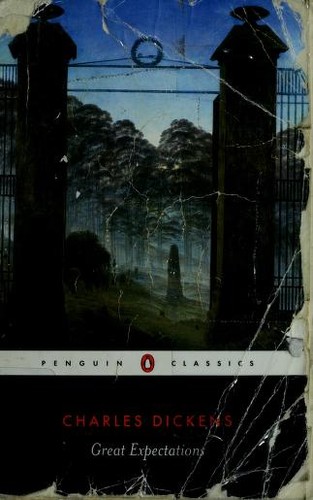
Great Expectations by Charles Dickens book cover

3. Great Expectations

Charles Dickens · 1861

A poor orphan gets an anonymous fortune and assumes it means he's meant for better things -- Dickens spends the whole novel proving him wrong about what 'better' means.

Pip’s snobbery is the point, not a flaw in the writing. Dickens lets him be genuinely embarrassed by Joe, genuinely cruel in small ways, and genuinely wrong about what his fortune means – then makes him earn his way back to decency instead of handing it to him.

The Magwitch reveal is still one of the best twists in 19th-century fiction, mostly because it isn’t just a plot surprise. It’s a direct rebuke of everything Pip believed about where his worth came from.

Read it if: you want a coming-of-age novel about class, shame, and misplaced gratitude, with one of Dickens's best villains and one of his strangest tragic figures

Skip it if: you want a straightforward hero's journey -- Pip is often unlikable on purpose, and the novel is more interested in correcting his snobbery than rewarding his ambition

Full verdict: Great Expectations →

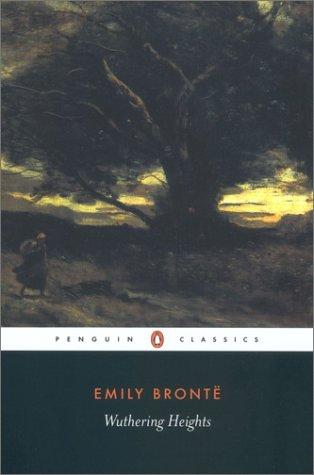
Wuthering Heights by Emily Bronte book cover

4. Wuthering Heights

Emily Bronte · 1847

Not a love story -- a revenge story with a love story's reputation, and darker than most people remember.

Most people go in expecting a love story and come out unsettled by how little love actually has to do with it. Heathcliff’s devotion to Catherine is real, but so is the multi-generational cruelty he inflicts once she’s gone, and the novel never asks you to forgive him for it.

It’s a harder, colder read than Jane Eyre, and that’s exactly the reason to read it. Bronte wrote obsession as a destructive force a full century before that became a common literary move.

Read it if: you want gothic, obsessive, morally ugly fiction about a love that destroys everyone near it, told through a deliberately unreliable narrator

Skip it if: you want characters to root for -- Heathcliff and Catherine are both cruel, and the second half follows their damage landing on an entirely new generation

Full verdict: Wuthering Heights →

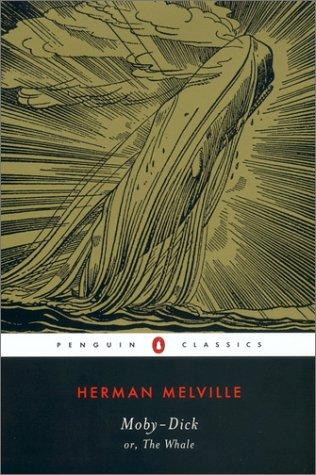
Moby-Dick by Herman Melville book cover

5. Moby-Dick

Herman Melville · 1851

A one-legged captain drags a whaling crew to the ends of the earth to settle a grudge with a fish, and somehow it's also a complete encyclopedia of 19th-century whaling.

The whale itself barely appears until the final chapters, and that’s the point – this is a book about the story Ahab builds around an animal, not the animal. Skip the cetology chapters if you must, but don’t skip Ahab’s monologues; they’re the reason this book outlasted every faster whaling adventure written alongside it.

Read it if: you want the great American novel about obsession, and you're willing to sit through digressions on cetology to earn the ending

Skip it if: you want a tight, fast-moving sea adventure -- entire chapters stop the plot cold to classify whale anatomy, and that's a dealbreaker for some readers

Full verdict: Moby-Dick →

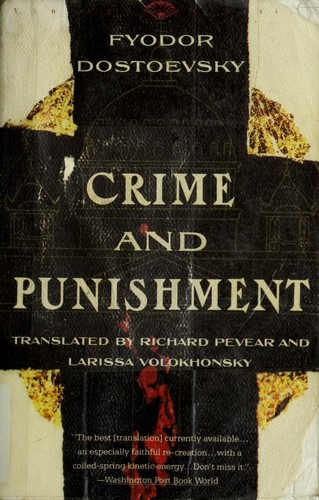
Crime and Punishment by Fyodor Dostoevsky book cover

6. Crime and Punishment

Fyodor Dostoevsky · 1866

A broke ex-student in St. Petersburg murders a pawnbroker to prove he's exempt from ordinary morality -- then spends 500 pages finding out he isn't.

What holds up best isn’t the murder plot – it’s Porfiry Petrovich, the detective who never needs to catch Raskolnikov in a lie because he understands his psychology better than Raskolnikov understands himself. That cat-and-mouse dynamic, built entirely on conversation rather than evidence, is the template a lot of modern psychological thrillers are still copying without crediting the source.

Read it if: you want the foundational psychological novel, the one that basically invented the modern crime-and-guilt narrative before Freud had a name for any of it

Skip it if: you're not ready for a genuine commitment -- this is a long, dense 19th-century Russian novel with a wall of patronymic names (Rodion Romanovich, Sofya Semyonovna) and a slow, interior first third; it rewards patience more than it grabs you

Full verdict: Crime and Punishment →

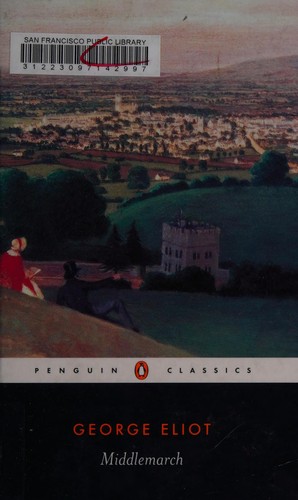
Middlemarch by George Eliot book cover

7. Middlemarch

George Eliot · 1871

A sprawling English town novel follows an idealistic young woman married to the wrong scholar, a doctor with the wrong ambitions, and a whole community quietly failing and succeeding at the same ordinary compromises -- and somehow it's the novel Virginia Woolf called 'one of the few English novels written for grown-up people.'

Eliot’s narrator is the real star – there’s a generosity of understanding extended to nearly every character, even the ones behaving badly, that few 19th-century novelists managed. Dorothea’s arc is the emotional core, but Lydgate’s slow-motion compromise is the sneakier tragedy, and it’s the one that sticks with you longer.

Read it if: you want the most psychologically precise 19th-century English novel about disappointment, ambition, and marriage, told with real patience for every character's interior life

Skip it if: you want a fast plot or a single protagonist -- this is a long, multi-strand novel about an entire town, and it demands sustained attention across 800-plus pages

Full verdict: Middlemarch →

Vanity Fair by William Makepeace Thackeray book cover

8. Vanity Fair

William Makepeace Thackeray · 1848

Becky Sharp claws her way up Regency society on wit and nerve alone, and two centuries later she's still more fun to read than anyone trying to stop her.

What holds up isn’t the plot machinery, it’s Becky Sharp herself. She’s one of the first anti-heroines in English fiction who’s genuinely more compelling than the “good” characters around her, and Thackeray knows it, letting her outwit nearly everyone for 800 pages without ever fully condemning or excusing her.

Read this instead of a straight Austen novel when you want the marriage-market satire with more cynicism and less romance. Thackeray isn’t interested in rewarding virtue, he’s interested in showing you that the whole game is rigged, and that the people who play it best are rarely the people you’d want to be.

Read it if: you want satire with real teeth, a novel that mocks its own heroine's ambition and the society that rewards it in equal measure

Skip it if: you need a likable protagonist and a tidy happy ending, this book refuses both on purpose

Full verdict: Vanity Fair →

Don Quixote by Miguel de Cervantes book cover

9. Don Quixote

Miguel de Cervantes · 1605

A delusional old man convinces his neighbor to become his squire and go fight windmills he's certain are giants, and four hundred years later it's still the funniest, saddest book about believing your own story.

The windmill scene gets all the cultural shorthand, but the real reason this book has lasted four hundred years is Part Two, where Cervantes lets other characters read Part One and use it against Quixote. That move, a novel’s characters reacting to their own fictional fame, was genuinely radical, and it’s still funnier and stranger than most metafiction written since.

Read this over any modern picaresque or road novel when you want the original, the book that both invented and immediately started interrogating its own genre.

Read it if: you want the book that basically invented the modern novel, and you're fine with something that's part comedy, part tragedy, and genuinely long

Skip it if: you want tight, modern pacing, this is an episodic picaresque written across two parts a decade apart, and it wanders on purpose

Full verdict: Don Quixote →

Anna Karenina by Leo Tolstoy book cover

10. Anna Karenina

Leo Tolstoy · 1878

One of the most famous opening lines in fiction sets up a novel about two marriages -- one collapsing in scandal, one quietly working -- and Tolstoy refuses to let either verdict be simple.

The opening line is famous enough to be a cliche at this point, and it still holds up as the thesis statement for the entire book. What makes this better than a standard tragic-affair novel is Levin’s parallel story – Tolstoy clearly believes something, and it’s not simply “affairs end badly.”

Anna’s chapters are the ones people remember, but Levin’s slower, more awkward path to a real marriage is doing just as much work. Read both halves, don’t skip to the Anna parts.

Read it if: you want the definitive novel about marriage, desire, and social hypocrisy, with a tragic heroine the book never fully condemns or fully excuses

Skip it if: you want a fast plot -- there are long sections following Levin's farming and philosophical struggles that have nothing directly to do with Anna's story, and they're not filler, but they do slow the book down

Full verdict: Anna Karenina →

Les Miserables by Victor Hugo book cover

11. Les Miserables

Victor Hugo · 1862

An ex-convict spends decades trying to outrun his own past while a police inspector spends decades refusing to let him -- inside one of the largest, most generous novels ever written.

The musical trimmed this down to its emotional beats, and those beats are genuinely earned in the novel – but the book gives you the machinery underneath them: the legal system that criminalizes poverty, the social structures that trap Fantine, the historical weight bearing down on the 1832 barricade.

Read the unabridged version if you actually want the whole argument Hugo is making. Read an abridged one if you just want Valjean, Javert, and Cosette without the 50-page tour of the Paris sewer system. Either way, this is one of the few 1,200-page novels that earns its size.

Read it if: you want a genuinely massive, morally serious epic about justice, mercy, and revolution, and you're willing to commit 1,200-plus pages to get it

Skip it if: you want a tight plot -- Hugo interrupts the story for entire standalone essays on the Battle of Waterloo, the Paris sewer system, and convent life, and none of them are optional in the unabridged edition

Full verdict: Les Miserables →

War and Peace by Leo Tolstoy book cover

12. War and Peace

Leo Tolstoy · 1869

Napoleon invades Russia, five aristocratic families live through it, and Tolstoy uses all 1,200 pages to argue that history isn't actually driven by great men.

The war sections get the reputation, but the domestic scenes – Natasha’s first ball, Pierre’s aimless wandering through Moscow society – are just as essential to what Tolstoy’s doing. He’s arguing that ordinary life carries the same historical weight as battles, and the structure of the book only works if you buy into both halves.

Go in for Pierre, Andrei, and Natasha, and let the historical-essay chapters slow you down on purpose. This isn’t a book to rush – it rewards the reader willing to sit in it for weeks, not days.

Read it if: you want the single biggest, most ambitious novel in the Western canon, and you're willing to track a large cast through war, marriage, and a genuine philosophical argument about how history works

Skip it if: you want a tight, plot-driven war novel -- Tolstoy periodically stops the story entirely for essay-length arguments about historical causation, and the unabridged text does not skip these

Full verdict: War and Peace →

Emma by Jane Austen book cover

13. Emma

Jane Austen · 1815

Emma Woodhouse, rich, clever, and convinced she's a matchmaking genius, is wrong about basically everyone, including herself, for 400 pages before she figures it out.

What makes Emma hold up is how unlikable Austen is willing to let her heroine be. Emma isn’t cruel by nature, she’s careless with other people’s feelings because she’s never had a reason to be careful, and the novel makes you sit with the discomfort of that before it lets her earn any growth.

Read this instead of Pride and Prejudice when you want Austen’s sharpest comic structure rather than her most purely romantic plot. It’s less immediately lovable, but it’s the better-built book.

Read it if: you want Austen's funniest, most tightly plotted novel, one where the heroine is genuinely flawed and has to earn her own growth instead of just waiting for a proposal

Skip it if: you want plot-heavy drama, this is a novel of manners and misjudged social maneuvering, low stakes by design, and it rewards patient readers over ones chasing incident

Full verdict: Emma →

Persuasion by Jane Austen book cover

14. Persuasion

Jane Austen · 1817

Anne Elliot said no to the man she loved eight years ago because everyone told her to, and this is Austen's quietest, saddest novel about getting a second chance most people never get.

What sets Persuasion apart from Austen’s other novels is the timeline: Anne already made her mistake, years before the book even starts, and the story is about what happens after, not a young woman correcting a misjudgment in real time. That patience gives the ending, when it finally comes, more weight than almost anything else Austen wrote.

Read this after you’ve already read Pride and Prejudice or Emma, it works best as Austen’s mature counterpoint to her earlier, brighter romances, not as an introduction to her.

Read it if: you want Austen's most emotionally mature novel, about regret and second chances rather than a young woman's first romance

Skip it if: you're here for the wit and social comedy of Pride and Prejudice or Emma, this one is quieter, more melancholy, and less overtly funny

Full verdict: Persuasion →

Frequently Asked Questions

What is the best classic novel to start with?

Pride and Prejudice. Jane Austen's wit ages better than almost anything else on this list, and the plot moves. If Austen's world of drawing rooms and marriage plots doesn't interest you, Jane Eyre is the next-easiest entry — same era, sharper edges.

What's the hardest classic novel on this list?

War and Peace, by length and by cast size. Les Miserables is a close second. Both reward the time, but neither is a book you finish in a week unless reading is your full-time job.

Do I need to read all 12 of these?

No. Nobody does. Pick 2 or 3 based on what actually interests you — a marriage plot, a courtroom drama, a war epic, a psychological crime story — and skip the rest with a clear conscience.

Which classic novel is most like a modern thriller?

Crime and Punishment. Dostoevsky was writing psychological suspense before the genre had a name. It's slower than a modern thriller, but the dread is real.

Is Don Quixote actually readable, or just famous?

It's genuinely funny, which surprises most first-time readers. It's also long and episodic, so treat it like a collection of adventures rather than a novel you race through.

Keep Reading