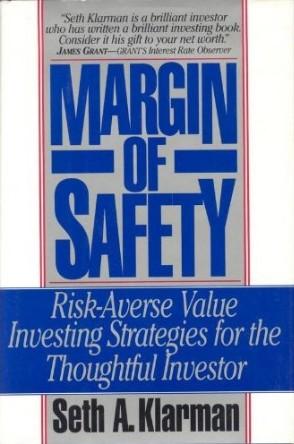
Margin of Safety
by Seth Klarman · 1991
The out-of-print value-investing classic that now sells for hundreds of dollars used, written by a hedge fund manager who never bothered with a second printing.
Worth reading? Margin of Safety earned its cult status partly through content and partly through scarcity -- Klarman, who runs the highly successful Baupost Group, never authorized a reprint, and used copies have sold for well over a thousand dollars at times. The actual argument is a rigorous, risk-first extension of Graham's value investing: think about downside protection and capital preservation before you think about potential upside, because avoiding catastrophic loss compounds better over decades than swinging for outsized gains.
| Full Title | Margin of Safety: Risk-Averse Value Investing Strategies for the Thoughtful Investor |
|---|---|
| Author | Seth Klarman |
| Published | 1991 |
| Category | Business & Money |
| Favorite quote | “Value investing is the discipline of buying securities at a significant discount from their current underlying values.” |
The Verdict
The scarcity is real, so don’t assume you’ll casually pick this up – check a library or a PDF from a legitimate source before paying collector prices for a used copy. What you’re paying for either way is a genuinely rigorous risk-first framework that most value-investing books, focused on upside first, don’t emphasize nearly as hard.
you're a serious value investor who wants Klarman's risk-first framework, and you're willing to pay a premium or find a library copy since it's long out of print
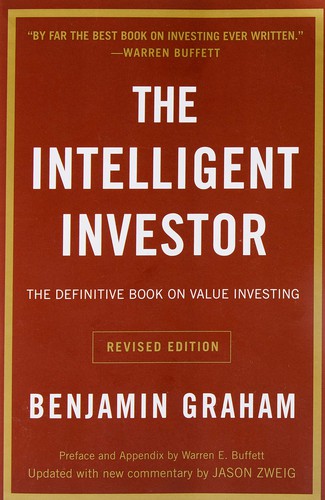
you're a beginner or want an affordable, in-print option, this book is notoriously expensive secondhand; The Intelligent Investor covers foundational value-investing ground that's more accessible and still in print
Book Summary
Klarman's central discipline is risk-first thinking: before evaluating a potential investment's upside, rigorously assess what could go wrong and how much capital could genuinely be lost, then only proceed if the price offers a meaningful margin of safety against that downside. This inverts how many investors naturally think, chasing potential return first and treating risk as an afterthought.
He's also sharply critical of the academic finance concept of risk as mere price volatility (beta) -- real risk, in Klarman's framing, is the probability of permanent capital loss, which has little to do with how much a stock's price bounces around day to day. A volatile stock priced well below its intrinsic value can be genuinely safer than a stable stock priced above its intrinsic value, a distinction he argues academic finance largely misses.
Top 7 Lessons from Margin of Safety
- Assess downside risk and potential capital loss before evaluating an investment's potential upside.
- Only invest when the price offers a genuine margin of safety against a rigorously assessed downside.
- Real risk is the probability of permanent capital loss, not price volatility (beta) as academic finance often defines it.
- A volatile but underpriced stock can be safer than a stable but overpriced one -- price relative to intrinsic value matters more than volatility.
- Capital preservation compounds better over decades than swinging for outsized, riskier gains.
- Be skeptical of market consensus and academic finance theory when it conflicts with a rigorous, independent risk assessment.
- Patience to hold cash when no investment offers an adequate margin of safety is itself a discipline, not a failure to act.
Top 3 Quotes from Margin of Safety
"Value investing is the discipline of buying securities at a significant discount from their current underlying values."
Seth Klarman, Margin of Safety
"Risk arises from the price you pay, not merely the volatility of the underlying instrument."
Seth Klarman, Margin of Safety
"The stock market is a giant distraction from the business of investing."
Seth Klarman, Margin of Safety
Frequently Asked Questions
Is Margin of Safety worth reading?
Yes, for serious value investors, though it's notoriously expensive and hard to find secondhand since Klarman never authorized a reprint. The risk-first, downside-focused framework is genuinely distinct from most investing books.
Why is Margin of Safety so expensive?
Klarman never authorized a new printing after the original 1991 run, and demand from investors who consider it a value-investing classic has driven secondhand prices extremely high, sometimes into the thousands of dollars for physical copies.
What is the main idea of Margin of Safety?
Assess an investment's downside and potential capital loss before its upside, and only invest when the price offers a genuine margin of safety -- treating risk as permanent capital loss, not price volatility.
Who is Seth Klarman?
A prominent value investor and founder of the hedge fund Baupost Group, known for consistently strong long-term returns and a disciplined, risk-averse investment philosophy.
Ready to read it?
Get Margin of Safety on Amazon