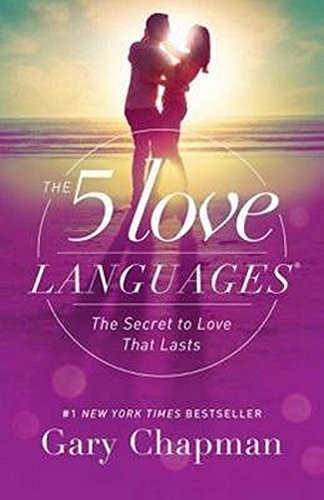
The 5 Love Languages
by Gary Chapman · 1992
The book that gave couples a shared vocabulary for 'you're not loving me the way I need to be loved' without the fight.
Worth reading? The 5 Love Languages works because it's simple enough to actually use: words of affirmation, quality time, gifts, acts of service, physical touch. Most fights about feeling unloved are actually fights about language mismatch, not effort mismatch, and naming that alone defuses a lot of resentment. It's not a research-backed model the way Attached is, but as a couples' communication tool, it earns its reputation.
| Full Title | The 5 Love Languages: The Secret to Love that Lasts |
|---|---|
| Author | Gary Chapman |
| Published | 1992 |
| Category | Self-Improvement & Psychology |
| Favorite quote | “Love is a choice you make every day.” |
The Verdict
Chapman’s framework became a cultural shorthand for a reason: it gives couples a fast, low-conflict way to say “here’s what I actually need” instead of relitigating the same argument. It’s thin on evidence compared to newer relationship science, but as a practical tool for defusing “you don’t love me enough” into “we’re speaking different languages,” it still works.
you and a partner keep missing each other on what 'feeling loved' actually requires
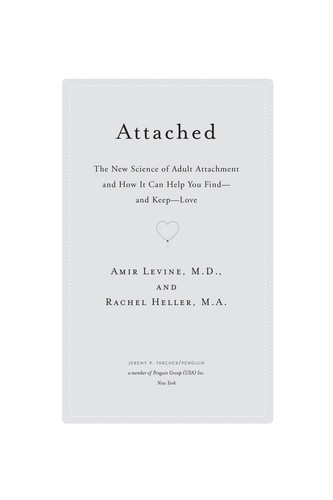
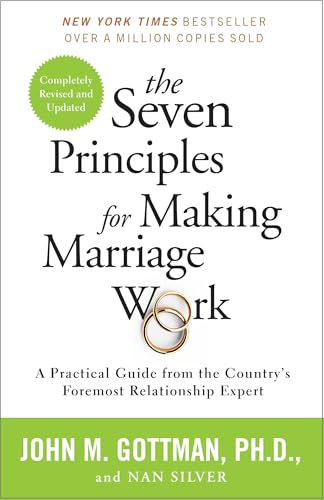
you want empirical, research-backed relationship science, the five-languages framework is popular and useful as a heuristic, but it isn't validated by peer-reviewed research the way Gottman's work is
Book Summary
People tend to express and receive love primarily through one of five channels -- words of affirmation, quality time, receiving gifts, acts of service, or physical touch -- and most relationship friction around "not feeling loved" comes from a partner giving love in their own preferred language instead of the other person's. Effort isn't the problem; translation is.
Chapman argues love, in the sustained sense that keeps a marriage together, is a choice and a skill more than a feeling -- the initial "in love" euphoria fades for everyone, and what replaces it is a decision to actively speak your partner's language even when it doesn't come naturally to you.
Top 7 Lessons from The 5 Love Languages
- Identify your own primary love language and your partner's -- they're often different.
- Effort given in the wrong language can go completely unnoticed by the person receiving it.
- Words of affirmation: specific, genuine verbal praise and encouragement land as love.
- Quality time means undivided attention, not just shared proximity (same room, different screens doesn't count).
- Acts of service (doing something that eases your partner's load) is how some people most concretely feel loved.
- Physical touch as a love language extends well beyond sex -- a hand on the shoulder counts.
- The 'in love' feeling fades for everyone; sustained love is a daily choice to keep speaking the language.
Top 4 Quotes from The 5 Love Languages
"Love is a choice you make every day."
Gary Chapman, The 5 Love Languages
"Rockets and rainbows... eventually the euphoria of the in-love experience fades."
Gary Chapman, The 5 Love Languages
"Guilt has never been a good motivator for emotional intimacy."
Gary Chapman, The 5 Love Languages
"The emotional need for love must be met if a person is to be emotionally healthy."
Gary Chapman, The 5 Love Languages
Frequently Asked Questions
Is The 5 Love Languages worth reading?
Yes, as a fast, practical framework for couples who keep missing each other on what 'feeling loved' means to each of them. It's a heuristic, not hard science, but it works as a conversation tool.
What are the 5 love languages?
Words of affirmation, quality time, receiving gifts, acts of service, and physical touch. Chapman's argument is that most people have one or two primary languages, and mismatches with a partner cause avoidable friction.
Is The 5 Love Languages scientifically validated?
Not in the rigorous, peer-reviewed sense that books like Attached (built on attachment research) are. It's a popular heuristic that many couples find genuinely useful, not a clinically tested model.
Is this book only for married couples?
No -- the framework applies to any close relationship, including dating, friendships, and family, though Chapman writes primarily for married couples.
Ready to read it?
Get The 5 Love Languages on Amazon