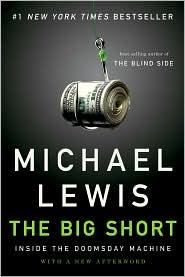
The Big Short
by Michael Lewis · 2010
How a handful of contrarian investors saw the 2008 mortgage collapse coming years before Wall Street did.
Worth reading? Lewis turns credit default swaps and CDOs into a genuine page-turner by following the handful of investors. Michael Burry, Steve Eisman, the Cornwall Capital duo, who saw the subprime bubble for what it was and bet against the entire financial system. It's the most readable explanation of the 2008 crisis that exists, though it's a story about a specific catastrophe, not a repeatable investing method. Skip it if you want tactics rather than the postmortem.
| Author | Michael Lewis |
|---|---|
| Published | 2010 |
| Category | Business & Money |
The Verdict
Lewis turns credit default swaps and CDOs into a genuine page-turner by following the handful of investors. Michael Burry, Steve Eisman, the Cornwall Capital duo, who saw the subprime bubble for what it was and bet against the entire financial system. It’s the most readable explanation of the 2008 crisis that exists, though it’s a story about a specific catastrophe, not a repeatable investing method. Skip it if you want tactics rather than the postmortem.
anyone who wants the 2008 crash explained through the people who correctly bet against it
you want a step-by-step personal-finance guide, not a financial-system autopsy
Book Summary
How a handful of contrarian investors saw the 2008 mortgage collapse coming years before Wall Street did. It earns its place by making one of the most consequential and least understood financial disasters in modern history genuinely comprehensible. The people who profited most from the crash were the ones willing to look foolish for years before being proven right. Complexity in finance is often used to hide risk, not manage it. The practical move is to read it once for the story and the mental model, betting against consensus requires being early, looking wrong for a long stretch, and having the conviction to stay in the trade anyway.
Top 14 Lessons from The Big Short
- The people who profited most from the crash were willing to look foolish for years before being proven right.
- Complexity in financial products like CDOs is often used to hide risk, not manage it.
- Ratings agencies stamped toxic mortgage bonds AAA because their fee model depended on the banks issuing them.
- Almost nobody actually read the mortgage bonds they were buying and selling, including the people whose job was to.
- Being early and being wrong look identical for years, right up until they don't.
- The housing market's assumed safety was never actually stress-tested by the people trading on it.
- Betting against a bubble takes more capital endurance than being right, a market can bankrupt you before it admits you're correct.
- The financial industry's incentives systematically reward short-term fees over long-term stability.
- Michael Burry found the trade by reading the actual prospectuses that everyone else trusted someone else to have read.
- Cornwall Capital turned $110,000 in a garage into $120 million by betting on outcomes the market priced as impossible.
- Howie Hubler lost $9 billion in a single trade by misunderstanding the very instrument he was paid to manage.
- AIG's Financial Products sold insurance on mortgage risk it could never honor once the cascade started.
- Going against the grain attracts mockery precisely because the consensus is comfortable and the dissent isn't.
- The people closest to the raw data (loan-level defaults) saw the truth the macro models missed.
Frequently Asked Questions
Is The Big Short worth reading?
Yes, if the description fits you, anyone who wants the 2008 crash explained through the people who correctly bet against it. Skip it if you want a step-by-step personal-finance guide, not a financial-system autopsy.
What is the main idea of The Big Short?
Lewis follows the small handful of investors who saw the subprime mortgage bubble coming and bet against the entire financial system years before it collapsed.
Who should read The Big Short?
Anyone who wants the 2008 crash explained through the people who correctly bet against it. Skip it if you want tactics rather than the postmortem.
What will you get out of The Big Short?
A clearer, opinionated take you can act on, plus the sharpest lessons pulled into a short list so you don't have to read the whole book to decide.
Ready to read it?
Get The Big Short on Amazon