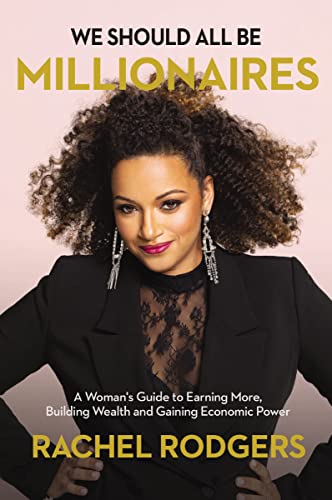
We Should All Be Millionaires
by Rachel Rodgers · 2021
Not another book about cutting your latte spending -- a book arguing women should aim to earn more, not spend less.
Worth reading? We Should All Be Millionaires flips the standard personal-finance script: instead of another chapter on cutting expenses, Rachel Rodgers makes the case that the real lever is earning more, and that women in particular are conditioned to aim too low, price too cheap, and treat wealth-building as greedy instead of powerful. Rodgers writes from experience as a seven-figure business owner, and the book is strongest when it's concrete -- raising your rates, hiring help before you feel ready, negotiating like the stakes are real. It's weakest as a general personal-finance primer; if you don't run a business or side hustle, some of the earning-focused advice won't map directly onto a salaried job. Skip it if you want budgeting tactics; read it if you're underselling yourself and need permission to charge what you're worth.
| Full Title | We Should All Be Millionaires: A Woman's Guide to Earning More, Building Wealth, and Gaining Economic Power |
|---|---|
| Author | Rachel Rodgers |
| Published | 2021 |
| Publisher | HarperCollins Leadership |
| Category | Business & Money |
| Favorite quote | “We should all be millionaires. There's nothing wrong with women wanting to make money and wanting a lot of it.” |
The Verdict
Most personal finance advice, gendered or not, leads with restraint: cut the subscriptions, skip the latte, trim the budget. Rachel Rodgers starts somewhere else entirely. We Should All Be Millionaires argues that the actual problem for a lot of women isn’t overspending – it’s underearning, underpricing, and treating ambition around money like something to apologize for.
The book is at its best when it’s concrete and comes from Rodgers’ own experience running a seven-figure firm: raise your rates before you feel ready, hire help sooner than feels comfortable, negotiate like the number on the table actually matters. That’s usable advice, not just a pep talk about aiming higher.
It’s weaker as a general finance book. If you’re not running a business or side hustle, some of the earning-focused tactics don’t translate directly to a salaried job, and there’s less here on the budgeting-and-saving mechanics other books cover more thoroughly.
Read it if you’re an entrepreneur or side-hustler who keeps undercharging and needs a direct case for aiming higher. Skip it if you want a budgeting or debt-payoff book – this one is about the top line, not the bottom line.
women running a business or side hustle who keep underpricing themselves and want a direct case for aiming at real wealth, not just 'enough'
you're looking for a personal budgeting or debt-payoff book -- this is aimed at earners and entrepreneurs, not spending discipline
Book Summary
Cutting expenses has a floor; earning more doesn't. The highest-leverage move for most people, especially women conditioned to aim low, is increasing income, not trimming a budget.
Underpricing your work and avoiding negotiation isn't humility -- it's a trained response that costs real money over a career or business lifetime.
Wealth-building isn't greedy or unfeminine. Economic power gives women more choices, more safety, and more ability to help others -- treating that as a worthy goal is itself a mindset shift.
Top 9 Lessons from We Should All Be Millionaires
- Focus on earning more before you focus on cutting expenses -- expenses have a floor, income doesn't.
- Underpricing your products, services, or salary ask isn't humility. It's a trained habit that costs real money over time.
- Hire help before you feel financially ready. Delegating frees the time that lets you earn more in the first place.
- Negotiate every major financial ask -- salary, rates, contracts -- as if the outcome actually matters, because it does.
- Set an explicit wealth goal instead of a vague 'just get by' target. Specific numbers change what actions you take.
- Build multiple income streams rather than relying on a single job or client for your entire financial safety.
- Reframe wealth-building as a source of power and choice, not something to feel guilty or greedy about.
- Surround yourself with other ambitious earners -- your financial ceiling is shaped by who you associate with.
- Treat your business or career like an asset you're actively building, not a job you're just showing up to.
Top 5 Quotes from We Should All Be Millionaires
"Thinking negative thoughts is a form of self-sabotage that keeps you "safe" and therefore stagnant."
Rachel Rodgers, We Should All Be Millionaires
"95 percent of your success or failure in life is determined by the people with whom you habitually associate."
Rachel Rodgers, We Should All Be Millionaires
"Sixty percent of women never negotiate for higher pay, never ever, not even once in their entire career."
Rachel Rodgers, We Should All Be Millionaires
"Boundaries aren't about saying no to other people. Boundaries are about saying yes to yourself."
Rachel Rodgers, We Should All Be Millionaires
"You are an underearner if you are earning less than you have the potential to earn."
Rachel Rodgers, We Should All Be Millionaires
Frequently Asked Questions
Is We Should All Be Millionaires worth reading?
Yes, especially if you run a business or side hustle and tend to underprice your work. It's less useful as a general budgeting book for salaried readers.
What is the main idea of We Should All Be Millionaires?
Earning more is the highest-leverage financial move, especially for women conditioned to aim low -- the book argues for pursuing real wealth and economic power, not just 'getting by.'
Who should read We Should All Be Millionaires?
Women entrepreneurs and side-hustlers who underprice themselves and avoid negotiating. Skip it if you want a straightforward budgeting or debt-payoff guide.
Is We Should All Be Millionaires only for business owners?
It's strongest for entrepreneurs and freelancers, but the mindset shift around earning more and negotiating applies to salaried readers too, even if some tactics need adapting.
How is We Should All Be Millionaires different from Financial Feminist?
Financial Feminist blends money mindset with broad personal-finance mechanics. We Should All Be Millionaires is narrower and more aggressive -- it's focused specifically on earning more and building real wealth, especially for entrepreneurs.
Ready to read it?
Get We Should All Be Millionaires on Amazon