Best Books on Public Speaking: 5 Ranked by What You're Building

Updated July 12, 2026 · 5 books

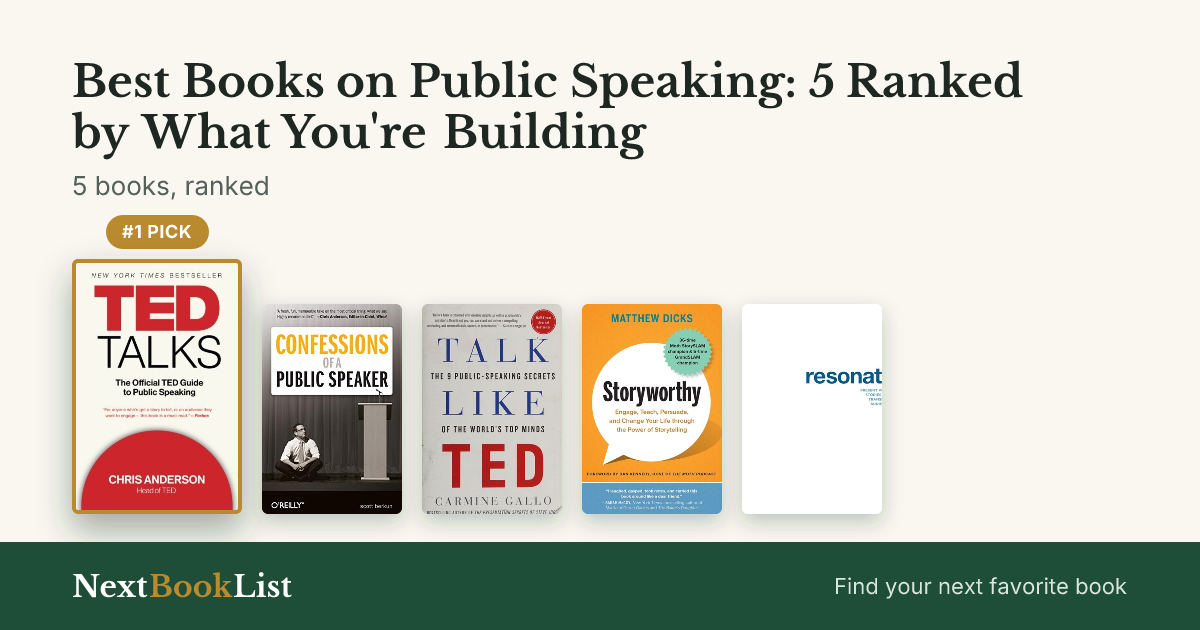
Best Books on Public Speaking: 5 Ranked by What You're Building: ranked list of 5 books

The best public speaking book depends on what you’re actually building. One specific important talk – a keynote, a pitch, a TED-style presentation – start with TED Talks by Chris Anderson. He’s worked directly with the speakers behind hundreds of the platform’s talks, and the one-idea, one-throughline discipline is the most rigorous structural framework here.

General comfort and fear management across many speaking situations: Confessions of a Public Speaker is candid that the fear never fully goes away, even for professionals, which makes its advice on channeling nerves more believable than a polished formula. Want the outside analysis of what famous TED talks specifically got right: Talk Like TED complements Anderson’s insider view. Need material, not just structure: Storyworthy’s “Homework for Life” habit solves the problem of not having good stories to tell. Building a visual, narrative-heavy business presentation: Resonate is denser and more design-focused, closer to a reference than a quick read.

One warning: no book replaces reps. Every writer on this list agrees on one thing – the only way to actually get better at speaking is to speak, repeatedly, in front of real people.

Quick Comparison

#BookBest for
1TED TalksChris Andersonyou're building one specific important talk (a keynote, a pitch, a TED-style presentation) and want the exact structural playbookAmazon
2Confessions of a Public SpeakerScott Berkunyou want a candid, entertaining, practically-minded guide to public speaking that doesn't pretend the fear ever fully goes awayAmazon
3Talk Like TEDCarmine Galloanyone weighing whether Talk Like TED belongs on their business and money shelfAmazon
4StoryworthyMatthew Dicksyou want to get better at weaving personal stories into talks, pitches, or everyday conversation, with a concrete method for finding materialAmazon
5ResonateNancy Duarteyou build presentations regularly for work and want the underlying story-structure theory behind why some decks persuade and most don'tAmazon

The Books

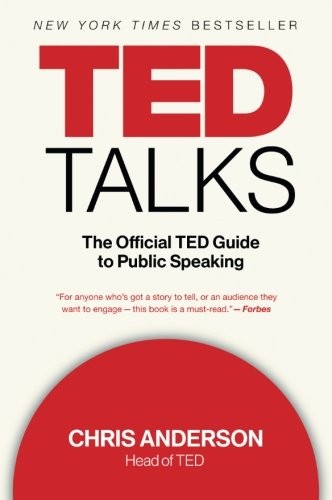
TED Talks by Chris Anderson book cover

1. TED Talks

Chris Anderson · 2016

The TED curator who worked with hundreds of the platform's speakers distills what actually makes an 18-minute talk spread, and what kills one.

Anderson’s sample size is the differentiator – most speaking books draw on one person’s experience, and this one draws on patterns observed across hundreds of talks watched by hundreds of millions of people. The one-idea, one-throughline discipline is worth adopting even outside the TED format specifically; it’s the single most common thing overstuffed presentations get wrong.

Read it if: you're building one specific important talk (a keynote, a pitch, a TED-style presentation) and want the exact structural playbook

Skip it if: you want general speaking comfort for everyday situations, this is optimized specifically for the polished, idea-driven, single-talk format TED popularized, not casual or frequent speaking
Full verdict: TED Talks →

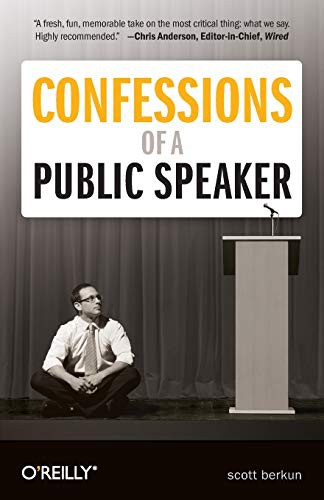
Confessions of a Public Speaker by Scott Berkun book cover

2. Confessions of a Public Speaker

Scott Berkun · 2009

15 years of professional speaking, told through embarrassments as much as triumphs, the funniest, most honest book on the fear and mechanics of talking to a room.

Berkun’s willingness to detail his own on-stage failures is what makes the advice trustworthy – most public speaking books are written by people performing confidence, and this one is written by someone showing you what it actually looks like to recover from a bad moment in front of a room. Read it before your first talk, and again before a hard one.

Read it if: you want a candid, entertaining, practically-minded guide to public speaking that doesn't pretend the fear ever fully goes away

Skip it if: you want a structured framework for a specific high-stakes talk (like a TED-style keynote). TED Talks by Chris Anderson is the more structured, talk-specific companion

Full verdict: Confessions of a Public Speaker →

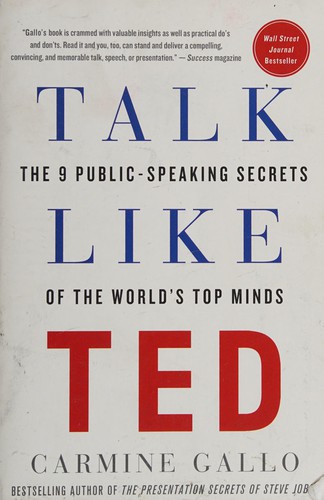
Talk Like TED by Carmine Gallo book cover

3. Talk Like TED

Carmine Gallo · 2014

Carmine Gallo's take on business, the honest verdict is below.

A reverse-engineering of the most-watched TED talks into repeatable moves. Useful if you present for a living and want a checklist; skip if you already know that passion, stories, and simplicity beat bullet points.

Read it if: anyone weighing whether Talk Like TED belongs on their business and money shelf

Skip it if: you want a different angle than Carmine Gallo's

Full verdict: Talk Like TED →

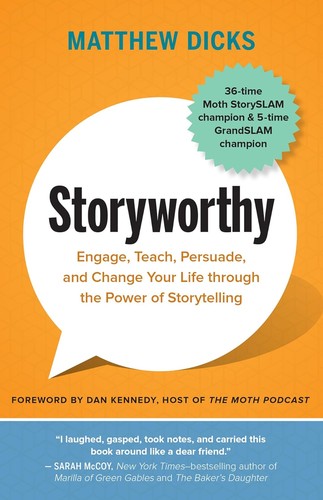
Storyworthy by Matthew Dicks book cover

4. Storyworthy

Matthew Dicks · 2018

A five-time Moth GrandSLAM champion's specific, teachable system for finding and telling the personal stories most speakers don't realize they already have.

Dicks’ five Moth GrandSLAM wins aren’t a fluke of natural talent, according to his own account – they’re the direct output of a boring, repeatable daily habit almost anyone could adopt. Homework for Life is the rare piece of creative advice that’s both simple to start tonight and genuinely compounds over months.

Read it if: you want to get better at weaving personal stories into talks, pitches, or everyday conversation, with a concrete method for finding material

Skip it if: you want structural advice for a formal presentation deck. Storyworthy is about narrative craft and finding stories, not slide design or talk architecture like TED Talks covers

Full verdict: Storyworthy →

Resonate by Nancy Duarte book cover

5. Resonate

Nancy Duarte · 2010

A presentation designer who's worked with Apple, Google, and TED reverse-engineers the narrative structure hiding inside history's most persuasive speeches.

Duarte’s client list (Apple, Google, TED) gives her pattern-matching real weight – she’s not theorizing about persuasive presentations, she’s reverse-engineering ones that demonstrably moved audiences at scale. It’s a denser read than most books on this list, closer to a design reference than a story to read straight through, but the “what is / what could be” structure is genuinely reusable in any presentation you build after.

Read it if: you build presentations regularly for work and want the underlying story-structure theory behind why some decks persuade and most don't

Skip it if: you want a quick, casual read, this is a denser, more visually and academically structured book (closer to a design textbook) than the conversational tone of TED Talks or Storyworthy

Full verdict: Resonate →

Frequently Asked Questions

What is the best book on public speaking?

TED Talks by Chris Anderson, if you're building one specific important presentation. Anderson personally worked with the speakers behind hundreds of TED talks, and the one-idea, one-throughline structure is the most disciplined framework on this list.

What book helps with general fear of public speaking?

Confessions of a Public Speaker. Scott Berkun is candid that fear never fully disappears, even after 15 years of professional speaking, and the book is built around managing it rather than pretending it goes away.

What is the difference between TED Talks and Talk Like TED?

TED Talks is written by TED's own curator, Chris Anderson, from direct experience shaping hundreds of talks. Talk Like TED is Carmine Gallo's outside analysis of what made specific famous TED talks work, drawing patterns from the outside looking in.

What book helps me find good stories to tell in a talk?

Storyworthy. Most speaking books assume you already have a story and teach you how to structure it; Storyworthy solves the earlier problem of not realizing you have any storyworthy material in the first place.

Keep Reading