Best Books on Imposter Syndrome

Updated July 21, 2026 · 4 books

Best Books on Imposter Syndrome: ranked list of 4 books

The best book on imposter syndrome is The Secret Thoughts of Successful Women, because it’s the one that actually built the field instead of borrowing the term. Young’s competence types turn a vague, shameful feeling into a named pattern you can target: knowing you’re specifically a Natural Genius who panics at first struggle, or a Soloist who reads asking for help as failure, is more useful than being told to “just believe in yourself.”

Mindset backs the diagnosis from underneath. Dweck’s research shows that believing ability is fixed makes you treat every struggle as proof you don’t belong, when struggle is actually the mechanism skill gets built through. Read it if your imposter feelings show up as avoiding challenges rather than as freezing under pressure.

The Gifts of Imperfection goes after the root cause instead of the symptom: perfectionism itself, the belief that real competence means never being seen struggling. Brown’s case that perfectionism is defensive, not aspirational, reframes the whole problem. Presence closes the loop for the specific moment it hits hardest, the interview, the big meeting, the room where you feel the fraud alarm going off loudest.

One warning: imposter syndrome content can turn into another thing to feel inadequate about, reading four books and still feeling like a fraud, just a more well-read one. Pick Secret Thoughts of Successful Women, name your specific type, and act on the one fix that matches it before adding a second book.

Quick Comparison

#BookBest for
1The Secret Thoughts of Successful WomenValerie Youngyou're competent, credentialed, and still convinced you're one mistake from being found outAmazon
2MindsetCarol S. Dweckparents, teachers, and anyone who quit something because they "weren't talented"Amazon
3The Gifts of ImperfectionBrené Brownyou're worn out trying to earn approval instead of just living your lifeAmazon
4PresenceAmy Cuddyyou shrink in high-stakes moments (interviews, negotiations, big meetings) and want to show up as yourself insteadAmazon

The Books

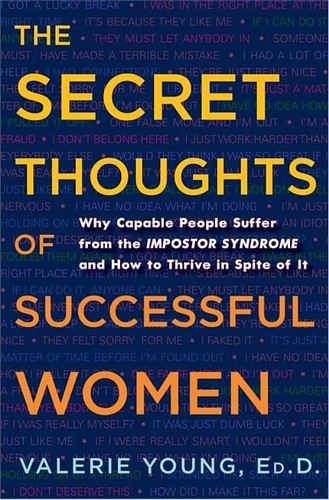
The Secret Thoughts of Successful Women by Valerie Young book cover

1. The Secret Thoughts of Successful Women

Valerie Young · 2011

The book that turned 'impostor syndrome' from a vague feeling into a named, fixable pattern.

Young didn’t just write about impostor syndrome, she’s the researcher who helped define it as a named, structured pattern instead of a vague feeling people apologized for having. That’s why this book holds up better than the lighter, more anecdotal takes that followed it.

The competence types are the real value here: knowing you’re specifically a Natural Genius (who panics at first struggle) or a Soloist (who reads asking for help as failure) is more useful than being told to “just be confident.” Skip it if you want something breezier; this reads more like a diagnostic workbook than a pep talk, and that’s exactly why it works.

Read it if: you're competent, credentialed, and still convinced you're one mistake from being found out

Skip it if: you want a quick pep talk instead of a structured, research-backed breakdown of the pattern
Full verdict: The Secret Thoughts of Successful Women →

Mindset by Carol S. Dweck book cover

2. Mindset

Carol S. Dweck · 2006

Fixed versus growth mindset. One idea, decades of research, and it holds up.

Dweck’s research finding is simple: people who believe ability is fixed avoid challenges, and people who believe ability grows through effort seek them. The book could be a long article, and later chapters repeat the thesis in new settings. But the idea itself earns its place. It changes how you praise kids, take feedback, and pick challenges.

Read it if: parents, teachers, and anyone who quit something because they "weren't talented"

Skip it if: you've absorbed the growth mindset idea from culture already (the book is one idea, stretched)

Full verdict: Mindset →

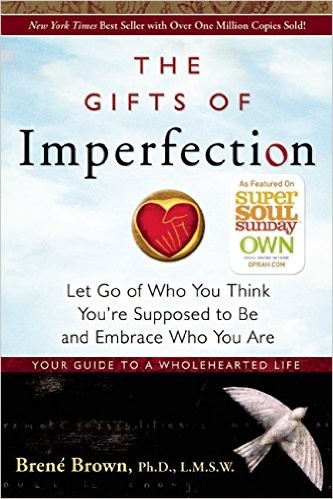
The Gifts of Imperfection by Brené Brown book cover

3. The Gifts of Imperfection

Brené Brown · 2010

Ten short guideposts for quitting the exhausting job of being perfect.

This is Brown before she had the TED Talk fame – shorter, more diary-like, less structured than what came after. The ten guideposts are genuinely useful as a checklist, even if the case for them lands harder in her later books.

Read it if: you're worn out trying to earn approval instead of just living your life

Skip it if: you want deep research citations -- this is short and guidepost-style, not the academic case

Full verdict: The Gifts of Imperfection →

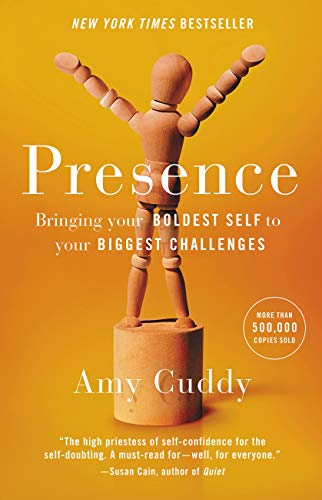
Presence by Amy Cuddy book cover

4. Presence

Amy Cuddy · 2015

The book behind the power-pose talk, minus the viral shortcut and plus the actual argument.

Amy Cuddy’s TED talk made “power poses” a household phrase, but the book underneath it is a broader, more careful argument about showing up as yourself when the stakes are high. It’s worth reading past the viral clip, including the part where she and other researchers questioned the power-pose data themselves. The real argument holds up better than the one study everyone remembers.

Read it if: you shrink in high-stakes moments (interviews, negotiations, big meetings) and want to show up as yourself instead

Skip it if: you're only here for power poses -- the replication controversy around that specific study means you should treat it as one tool, not the whole book

Full verdict: Presence →

Frequently Asked Questions

What is the best book on imposter syndrome?

The Secret Thoughts of Successful Women. Valerie Young is the researcher who helped define the condition, and her competence types, the Natural Genius, the Superwoman, the Soloist, the Expert, give you an actual diagnosis instead of a vague feeling to white-knuckle through.

Is imposter syndrome about confidence or something else?

Something else, and this is the mistake most advice makes. Young's argument is that it's a mismatch between your definition of competence (real experts never struggle, never ask for help) and how competence actually works. Mindset backs this up from a different angle: believing ability is fixed makes you read every struggle as proof you don't belong, when it's actually how skill gets built.

How is The Gifts of Imperfection different from a straight imposter syndrome book?

It attacks the root instead of the symptom. Brown's argument is that perfectionism, the drive underneath a lot of imposter feelings, is defensive: it's about avoiding judgment, not getting better. If Young gives you the diagnosis, Brown gives you the permission to stop performing perfect in the first place.

I freeze up in meetings or interviews because of imposter feelings. What should I read?

Presence. Cuddy's argument isn't about faking confidence, it's about reducing the fear that crowds out your actual competence in a specific high-stakes moment. Pair it with the diagnosis from Secret Thoughts for the full picture, why you feel it and what to do in the room.

Do I need to read all four of these?

No. Secret Thoughts of Successful Women is the one purpose-built for this exact problem, read that first. Add Mindset if the feeling shows up as avoiding challenges, and Presence if it shows up as freezing in specific high-stakes moments.

Keep Reading