Best Books on Emotional Resilience: 5 Ranked by What You're Dealing With

Updated July 16, 2026 · 5 books

Best Books on Emotional Resilience: 5 Ranked by What You're Dealing With: ranked list of 5 books

Start with what’s actually wrong before picking a book, because these five solve different problems. If you’re running on empty, not anxious exactly, just depleted, start with Burnout. Emily and Amelia Nagoski’s core idea is that stress and stressors are separate things, and you have to actually complete the stress cycle, not just remove the stressor, to feel better. It’s discussed often in the context of women and caregivers specifically, worth knowing going in.

Emotional Agility and The Upside of Stress both deal with how you relate to hard feelings rather than how to eliminate them. Susan David argues against both suppressing emotions and being ruled by them. Kelly McGonigal’s book is more specific and more contested, her claim is that stress can help you depending on your mindset toward it, not that stress is universally good, read the actual argument rather than the pull-quote version.

Lost Connections and It’s Not Always Depression sit closer to clinical territory, and this is where we’d ask you to be careful. Johann Hari’s thesis, that depression and anxiety often stem from disconnection rather than pure brain chemistry, is genuinely contested within the mental health field, not settled science. Hilary Jacobs Hendel’s book, grounded in the AEDP therapy framework, is more clinically specific and a useful complement to it.

None of these five replace a therapist or a doctor, and if what you’re dealing with is clinical depression, treat these as one input, not the plan. They’re frameworks for real but non-clinical struggle. Skip the temptation to self-diagnose off a book jacket.

Quick Comparison

#BookBest for
1BurnoutEmily Nagoski and Amelia Nagoskiyou feel chronically exhausted even after the stressful thing is over, and you want the actual physiology of why, not another productivity hackAmazon
2Emotional AgilitySusan Davidyou're tired of 'positive thinking' advice and want a real framework for handling hard emotionsAmazon
3The Upside of StressKelly McGonigalyou've internalized 'stress is bad' and it's making your stress response worseAmazon
4Lost ConnectionsJohann Hariyou've been told your depression is just a chemical imbalance and it never fully explained your experienceAmazon
5It's Not Always DepressionHilary Jacobs Hendelyou suspect your low mood is more about avoided feelings (anger, grief, fear) than a chemical default, and want a concrete framework instead of a vague 'sit with your feelings' suggestionAmazon

The Books

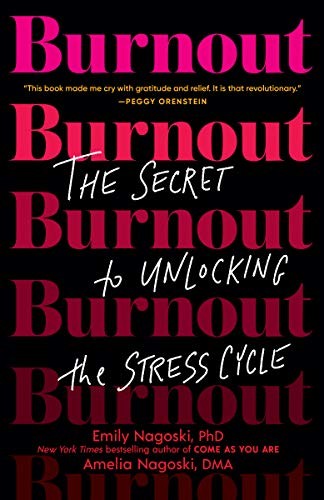
Burnout by Emily Nagoski and Amelia Nagoski book cover

1. Burnout

Emily Nagoski and Amelia Nagoski · 2019

Two sister scientists explain why 'just relax' doesn't work: stress and stressors are different things, and you have to complete the stress cycle in your body, not just remove the thing that triggered it.

The best chapter is the one on Human Giver Syndrome – it names a specific, gendered pattern of self-erasure that most stress books either ignore or vaguely gesture at. If you’ve ever felt guilty resting, this book explains why, and then gives you the physiology to override the guilt. Pair it with a real look at your calendar, not just your feelings, for it to actually work.

Read it if: you feel chronically exhausted even after the stressful thing is over, and you want the actual physiology of why, not another productivity hack

Skip it if: you want a step-by-step productivity or time-management system -- this is about processing stress physiologically (emotion, body, cycle completion), not managing your calendar
Full verdict: Burnout →

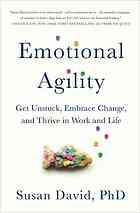
Emotional Agility by Susan David book cover

2. Emotional Agility

Susan David · 2016

The difference between people who get stuck in their feelings and people who move through them, mapped into four steps.

Susan David spent her career studying why some people bounce back from setbacks and others get stuck circling the same feeling for years. Her answer isn’t “think positive” – it’s a specific four-step process for treating emotions as useful information instead of problems to suppress or truths to obey. If you’ve read enough vulnerability books and want an actual method, this is it.

Read it if: you're tired of 'positive thinking' advice and want a real framework for handling hard emotions

Skip it if: you're looking for crisis-level clinical help, not a self-help framework -- see a therapist first

Full verdict: Emotional Agility →

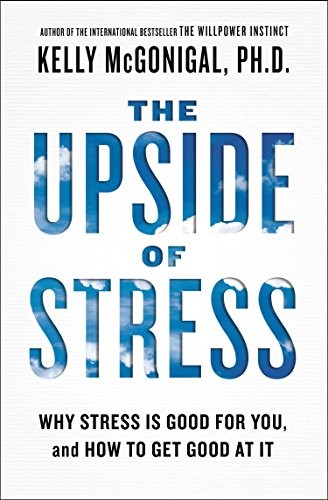
The Upside of Stress by Kelly McGonigal book cover

3. The Upside of Stress

Kelly McGonigal · 2015

The TED-talk book arguing stress isn't your enemy -- your belief about stress is.

McGonigal is willing to complicate her own earlier book here, and that’s what makes it worth reading in sequence: Willpower Instinct treats stress as the enemy of self-control, this one asks what happens if you stop believing that. The reframe alone – stress as evidence you care about something – is worth the read.

Read it if: you've internalized 'stress is bad' and it's making your stress response worse

Skip it if: you're in genuine burnout or crisis -- this is a mindset reframe, not a substitute for rest or professional help

Full verdict: The Upside of Stress →

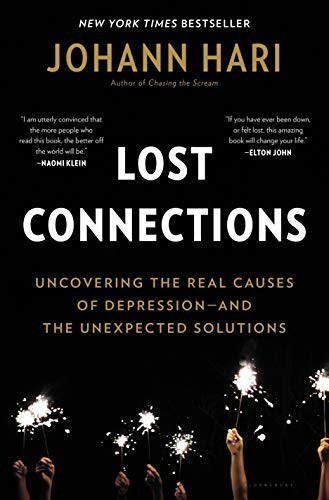
Lost Connections by Johann Hari book cover

4. Lost Connections

Johann Hari · 2018

The book that argues your depression might be a signal, not just a malfunction.

Johann Hari spent years interviewing the scientists behind the chemical-imbalance theory of depression, and came back with an uncomfortable finding: it’s not the whole story. Lost Connections argues that disconnection from work, people, and purpose is doing more damage than we’re willing to name. It’s a hard book to read passively – it asks what’s actually missing from your life, not just what’s wrong with your brain.

Read it if: you've been told your depression is just a chemical imbalance and it never fully explained your experience

Skip it if: you're in crisis right now and need clinical treatment, not a book reframing the causes of depression

Full verdict: Lost Connections →

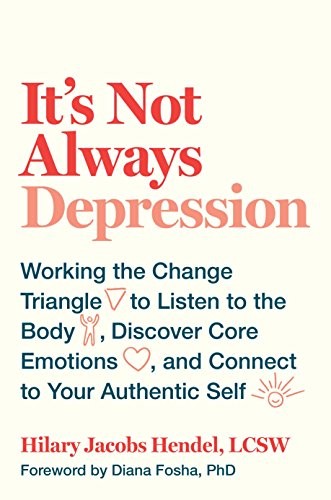
It's Not Always Depression by Hilary Jacobs Hendel book cover

5. It's Not Always Depression

Hilary Jacobs Hendel · 2018

A psychotherapist argues that a lot of what gets diagnosed as depression is actually unprocessed core emotion, and gives you a triangle-shaped map to find it.

The Change Triangle earns its place because it’s a diagnostic tool, not just a comforting idea. Next time you’re inexplicably flat or anxious, you can actually locate where you are on it: what’s the defense, what’s the inhibitory emotion, what’s underneath. That’s more useful than being told to process your feelings without being told how.

It works best alongside therapy, not instead of it. Hendel is a working psychotherapist writing from clinical practice, and the book reads like a very good intake session, not a cure. If your low mood is severe or persistent, treat this as a companion to professional care, not a substitute.

Read it if: you suspect your low mood is more about avoided feelings (anger, grief, fear) than a chemical default, and want a concrete framework instead of a vague 'sit with your feelings' suggestion

Skip it if: you're dealing with clinical depression that needs medical treatment -- this book is a useful add-on to therapy or medication, not a replacement for either

Full verdict: It's Not Always Depression →

Frequently Asked Questions

What is the best book for burnout specifically?

Burnout, by Emily and Amelia Nagoski. It's built around a specific idea, completing the stress cycle rather than just managing stress, and it's discussed often in the context of women's and caregivers' exhaustion in particular. If you feel constantly depleted rather than just anxious, start here.

What's the difference between Emotional Agility and just 'thinking positive'?

The opposite approach, actually. Susan David's book argues against suppressing difficult emotions, but also against being ruled by them. It's about making room for hard feelings without either burying them or letting them drive every decision.

Is The Upside of Stress saying stress is good for you?

Not exactly, and it's worth being precise here. Kelly McGonigal's thesis is that stress can be beneficial depending on your mindset toward it, a specific and somewhat contested claim, not a blanket statement that stress is always fine. Read the argument carefully rather than the headline version of it.

Does Lost Connections replace treatment for depression?

No, and it shouldn't be read that way. Johann Hari argues depression and anxiety are often about disconnection, from meaningful work, community, nature, status, rather than purely chemical causes. That thesis is contested, not settled, within the mental health field. Use it as one lens, not a substitute for professional care.

What is It's Not Always Depression about?

Hilary Jacobs Hendel's book on the AEDP therapy framework and core emotions, more clinically grounded and specific than the others on this list. It's a useful complement if you want a framework closer to what an actual therapist might use.

Keep Reading