Best Books on Emotional Intelligence: 7 Ranked by What They Build

Updated July 12, 2026 · 7 books

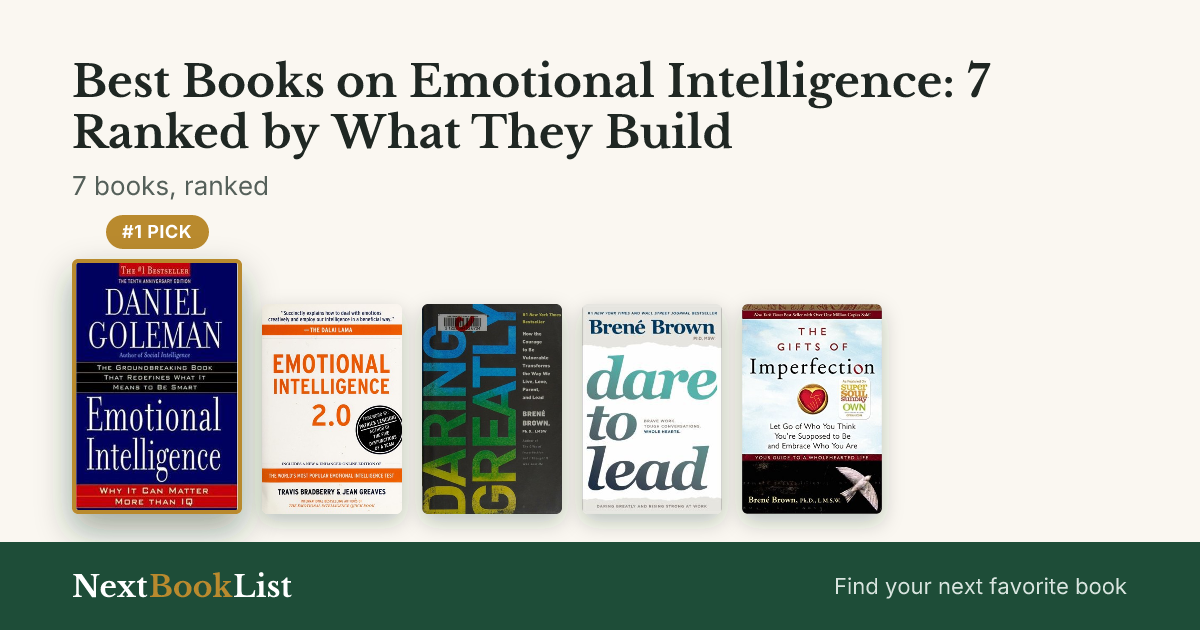
Best Books on Emotional Intelligence: 7 Ranked by What They Build: ranked list of 7 books

The best book on emotional intelligence is Goleman’s original, and it’s the one to start with because it makes the actual case: EQ predicts how well your life goes at least as much as raw intelligence does, and unlike IQ, it’s trainable. Everything else on this list picks up a piece of that training.

Want the practical skills layer: Emotional Intelligence 2.0 turns Goleman’s case into a testable framework. Managing or leading people: Primal Leadership shows how a leader’s emotional state sets the tone for an entire team. Struggling with vulnerability, shame, or perfectionism specifically: Brené Brown’s Daring Greatly and The Gifts of Imperfection go deeper into that one piece than Goleman does. Nonviolent Communication closes the list out because EQ without the words to express it just stays internal – this is the language layer.

One warning: emotional intelligence is a skill built through actual interactions, not through reading about it. These books give you the vocabulary and the research; the reps happen in your next hard conversation.

Quick Comparison

#BookBest for
1Emotional IntelligenceDaniel Golemanleaders and anyone whose relationships (work or home) need an upgradeAmazon
2Emotional Intelligence 2.0Travis Bradberryanyone weighing whether Emotional Intelligence 2.0 belongs on their business and money shelfAmazon
3Daring GreatlyBrené Brownyou keep armoring up against criticism and calling it strengthAmazon
4Dare to LeadBrené Brownyou manage people and keep hitting the same wall: nobody tells you the truth until it's too lateAmazon
5The Gifts of ImperfectionBrené Brownyou're worn out trying to earn approval instead of just living your lifeAmazon
6Nonviolent CommunicationMarshall B. Rosenbergyour conversations keep turning into arguments and you want words that land instead of provokeAmazon
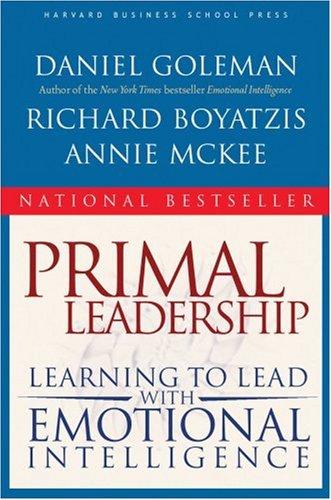
7Primal LeadershipDaniel Goleman, Richard Boyatzis & Annie McKeeyou manage people and want the emotional-intelligence research applied specifically to leadership styles and team moodAmazon

The Books

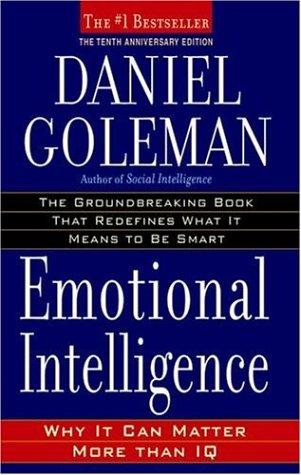
Emotional Intelligence by Daniel Goleman book cover

1. Emotional Intelligence

Daniel Goleman · 1995

The book that proved IQ isn't destiny, self-awareness and empathy run the show.

Goleman’s Emotional Intelligence made ‘EQ’ a household term: self-awareness, self-regulation, empathy outpredict IQ for life outcomes. A touch pop-psych, but the framework is sound and actionable. Skip it if you already manage your emotions deliberately.

Read it if: leaders and anyone whose relationships (work or home) need an upgrade

Skip it if: you want a clinical manual; this is popular science
Full verdict: Emotional Intelligence →

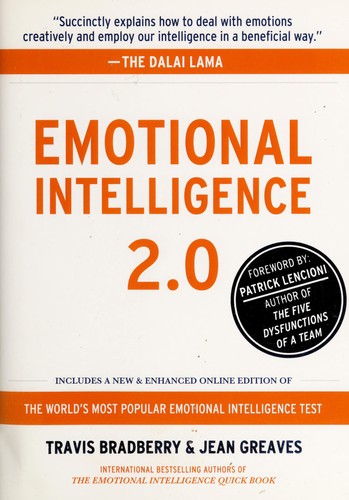
Emotional Intelligence 2.0 by Travis Bradberry book cover

2. Emotional Intelligence 2.0

Travis Bradberry · 2009

Travis Bradberry's take on business, the honest verdict is below.

Bradberry turns EQ into four trainable skills with a self-score and a plan. Read it if you’ve been told ‘work on your EQ’ and want specifics; skip it if you already self-regulate well, because it’s lightweight and repetitive.

Read it if: anyone weighing whether Emotional Intelligence 2.0 belongs on their business and money shelf

Skip it if: you want a different angle than Travis Bradberry's

Full verdict: Emotional Intelligence 2.0 →

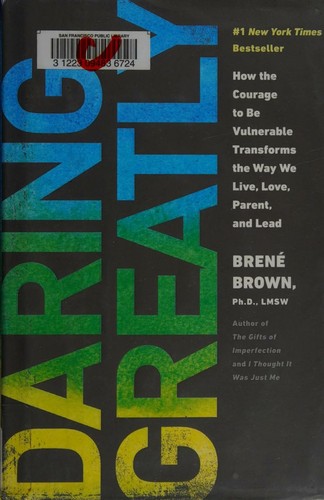
Daring Greatly by Brené Brown book cover

3. Daring Greatly

Brené Brown · 2012

The book that turned vulnerability from a weakness into a leadership strategy.

Brown spent a decade interviewing people about shame before she wrote this, and it shows – Daring Greatly doesn’t feel like a self-help pep talk, it feels like a case being built. The “man in the arena” framing alone is worth the read: stop outsourcing your self-worth to people who aren’t even in the fight with you.

Read it if: you keep armoring up against criticism and calling it strength

Skip it if: you want tactical productivity advice, not a reframe of shame and courage

Full verdict: Daring Greatly →

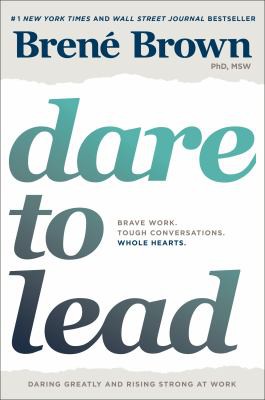
Dare to Lead by Brené Brown book cover

4. Dare to Lead

Brené Brown · 2018

Brown's argument that vulnerability isn't the opposite of tough leadership, it's the prerequisite for it.

Brown’s leadership thesis boils down to one line: clear is kind, unclear is unkind. Most managers think they’re being nice by softening feedback into mush, and Brown makes the case that’s actually the crueler move. If your team’s hard conversations keep getting avoided until they blow up, start here.

Read it if: you manage people and keep hitting the same wall: nobody tells you the truth until it's too late

Skip it if: you want tactics for org charts and OKRs -- this is about courage and culture, not process

Full verdict: Dare to Lead →

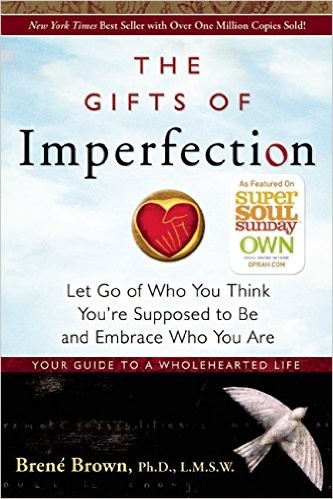
The Gifts of Imperfection by Brené Brown book cover

5. The Gifts of Imperfection

Brené Brown · 2010

Ten short guideposts for quitting the exhausting job of being perfect.

This is Brown before she had the TED Talk fame – shorter, more diary-like, less structured than what came after. The ten guideposts are genuinely useful as a checklist, even if the case for them lands harder in her later books.

Read it if: you're worn out trying to earn approval instead of just living your life

Skip it if: you want deep research citations -- this is short and guidepost-style, not the academic case

Full verdict: The Gifts of Imperfection →

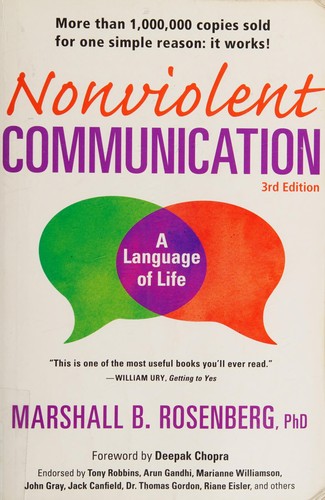
Nonviolent Communication by Marshall B. Rosenberg book cover

6. Nonviolent Communication

Marshall B. Rosenberg · 1999

The communication book that replaces 'you always' with language that actually gets heard.

Marshall Rosenberg built an entire communication method on one insight: judgment triggers defense, and defense kills every real conversation before it starts. Nonviolent Communication teaches you to say what actually happened, name what you feel, and ask for what you need – without the accusation baked into the sentence. It sounds stiff on page one and starts working by chapter three.

Read it if: your conversations keep turning into arguments and you want words that land instead of provoke

Skip it if: you want quick scripts for one conversation -- this is a full framework, and it takes practice to sound natural

Full verdict: Nonviolent Communication →

Primal Leadership by Daniel Goleman, Richard Boyatzis & Annie McKee book cover

7. Primal Leadership

Daniel Goleman, Richard Boyatzis & Annie McKee · 2002

Goleman's follow-up to Emotional Intelligence, applied directly to leadership, and the source of the six-leadership-styles framework still taught in MBA programs.

Goleman’s contagion argument, that a leader’s emotional state spreads through a team before any strategy does, is the kind of claim that seems obvious once stated and is easy to underrate because of that. The six-styles model earns its place in MBA curricula because it’s genuinely diagnostic – most struggling managers are stuck in one style regardless of what the situation actually calls for.

Read it if: you manage people and want the emotional-intelligence research applied specifically to leadership styles and team mood

Skip it if: you haven't read Emotional Intelligence yet, this book builds directly on that foundation, and starting here means missing the underlying research base

Full verdict: Primal Leadership →

Frequently Asked Questions

What is the best book on emotional intelligence?

Emotional Intelligence by Daniel Goleman, for most people. It's the book that named the concept and made the science case for why EQ predicts life outcomes as much as IQ. If you want a practical, testable follow-up, pair it with Emotional Intelligence 2.0.

What is the difference between Emotional Intelligence and Emotional Intelligence 2.0?

Goleman's original is the research case for why EQ matters. Emotional Intelligence 2.0 (Bradberry and Greaves) is a practical, skills-based follow-up with a self-assessment and specific strategies -- read Goleman first for the why, then 2.0 for the how.

What is the best book on emotional intelligence for leaders and managers?

Primal Leadership. It applies EQ directly to leadership, built around the finding that a leader's mood spreads through a team faster than any stated strategy, plus a practical six-styles framework for adapting your approach.

What book helps with vulnerability and shame specifically?

Daring Greatly and The Gifts of Imperfection, both by Brené Brown. Daring Greatly covers vulnerability as a leadership and connection skill; Gifts of Imperfection is more about self-acceptance and shedding perfectionism.

Keep Reading