Best Bootstrapping Books: 8 for Building Without Capital

Updated July 10, 2026 · 8 books

Best Bootstrapping Books: 8 for Building Without Capital: ranked list of 8 books

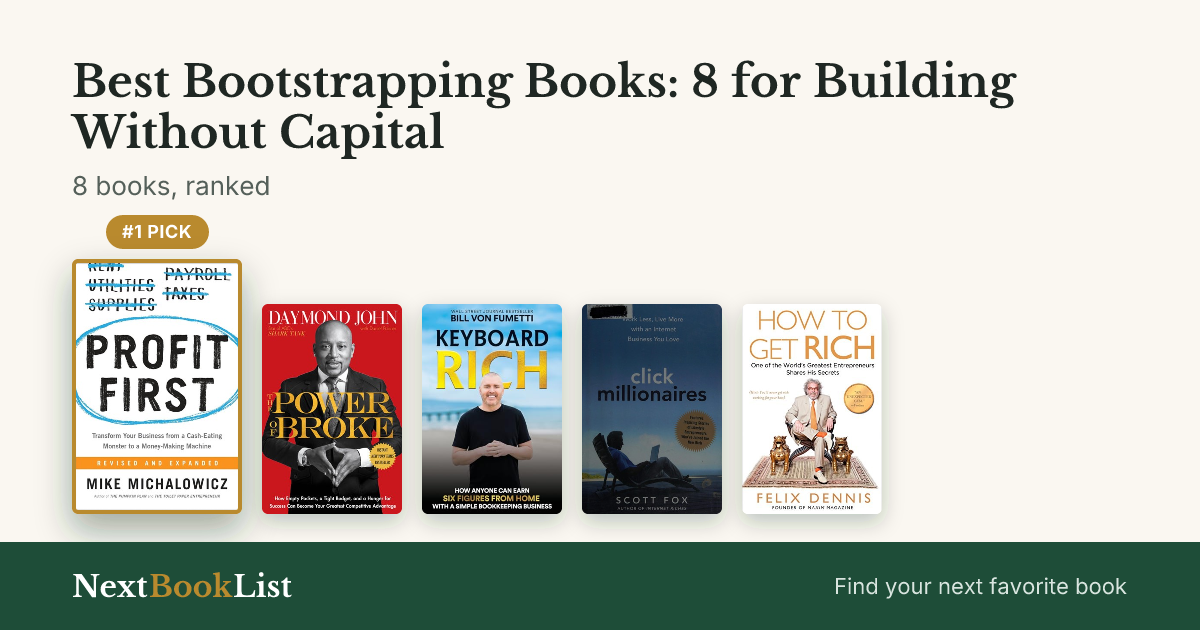
The best bootstrapping book is Profit First, because most broke founders don’t have a revenue problem, they have a cash-mechanics problem, and Michalowicz’s counterintuitive fix (pay yourself and your margin first, force the business to operate on what’s left) solves it faster than any growth advice would.

The Power of Broke, Keyboard Rich, and Click Millionaires are the resourcefulness layer: Daymond John’s case that having no capital forces creativity that funded founders skip past, Bill Von Fumetti’s narrow, executable playbook for a specific low-capital service business, and Scott Fox’s more general online-income tactics. How to Get Rich is the unfiltered counterpoint. Felix Dennis’s own blunt, occasionally uncomfortable memoir of what building a fortune from nothing actually cost him.

Buy Then Build is the different door entirely: instead of starting from zero, Walker Deibel makes the case for acquiring an existing, cash-flowing business, which skips the fragile early years a startup has to survive. Virtual Freedom is the systems book that follows either path, once the business exists, Chris Ducker’s case for building a virtual team so it runs without you personally doing everything. Close with The Art of Non-Conformity, for making sure the freedom you’re bootstrapping toward is actually the life you want, not just more revenue.

One warning: bootstrapping books are where people read about resourcefulness instead of practicing it. The constraint is the point, pick one idea and ship something with whatever you have this week.

Quick Comparison

#BookBest for
1Profit FirstMike Michalowiczsmall-business owners who are profitable on paper but broke in the bankAmazon
2The Power of BrokeDaymond Johnbootstrappers who feel disadvantaged by lacking capitalAmazon
3Keyboard RichBill Von Fumettipeople who want a concrete, low-capital service business they can start from a laptopAmazon
4Click MillionairesScott Foxwould-be location-independent entrepreneurs exploring online modelsAmazon
5How to Get RichFelix Dennisfounders who want the unromantic truth about wealth and sacrificeAmazon
6Buy Then BuildWalker Deibelaspiring entrepreneurs who assume 'starting a business' means starting from zeroAmazon
7Virtual FreedomChris Duckerfounders drowning in tasks who need to delegate to scaleAmazon
8The Art of Non-ConformityChris Guillebeaupeople who want to opt out of the default life scriptAmazon

The Books

Profit First by Mike Michalowicz book cover

1. Profit First

Mike Michalowicz · 2014

Michalowicz's counterintuitive accounting hack: pay yourself first, always.

Profit First flips the accounting equation so profit is taken first, not left over. Behaviorally brilliant for owners who can’t resist spending. Skip it if you already run GAAP-perfect, owner-disciplined books.

Read it if: small-business owners who are profitable on paper but broke in the bank

Skip it if: you already run disciplined, allocation-based finances
Full verdict: Profit First →

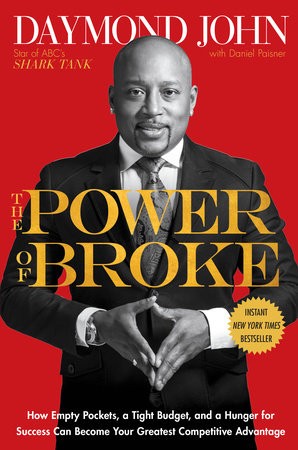
The Power of Broke by Daymond John book cover

2. The Power of Broke

Daymond John · 2016

Daymond John's case that having no money forces the creativity that makes you rich.

The Power of Broke argues scarcity is a teacher: when you can’t buy your way out, you hustle smarter. John’s Shark Tank stories are motivating, if light on systems. Skip it if you’ve already embraced constraints and want tactics.

Read it if: bootstrappers who feel disadvantaged by lacking capital

Skip it if: you already have funding and want growth strategy

Full verdict: The Power of Broke →

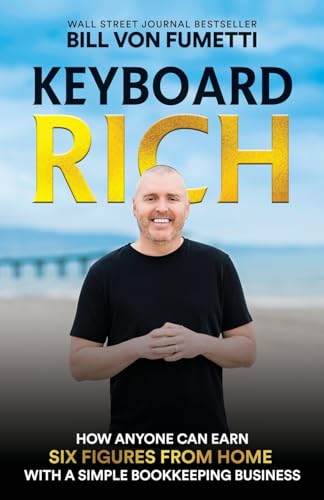
Keyboard Rich by Bill Von Fumetti book cover

3. Keyboard Rich

Bill Von Fumetti · 2023

A step-by-step case for starting a home-based bookkeeping business as a low-overhead path to six figures.

Keyboard Rich is a narrow, practical pitch: bookkeeping is unglamorous, always in demand, and can be run remotely with minimal startup capital, and Von Fumetti lays out the actual steps to get a first client. It’s not trying to be a broad business-strategy book, it’s a specific playbook for a specific, low-risk business model. Skip it if the underlying work doesn’t interest you at all; the book won’t make you want to do it.

Read it if: people who want a concrete, low-capital service business they can start from a laptop

Skip it if: you have no interest in bookkeeping or accounting-adjacent work

Full verdict: Keyboard Rich →

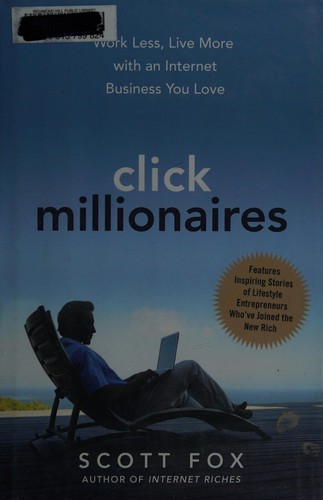
Click Millionaires by Scott Fox book cover

4. Click Millionaires

Scott Fox · 2011

Scott Fox on building automated online businesses that earn while you sleep.

Click Millionaires surveys lifestyle-friendly online business models (content, e-commerce, info products) with an emphasis on automation. Solid survey, if light on execution depth. Skip it if you’ve already picked and run your model.

Read it if: would-be location-independent entrepreneurs exploring online models

Skip it if: you already run a profitable automated online business

Full verdict: Click Millionaires →

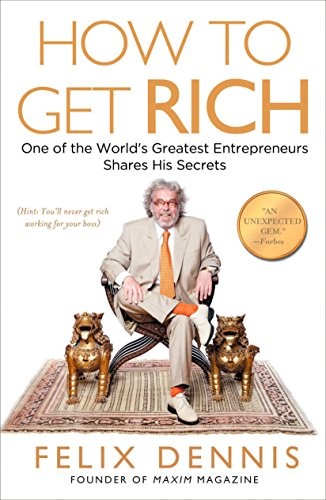
How to Get Rich by Felix Dennis book cover

5. How to Get Rich

Felix Dennis · 2008

Felix Dennis's unfiltered, alcoholic, brass-tacks memoir of building a fortune.

‘How to Get Rich’ is Dennis at his blunt best: luck, obsession, and willingness to be disliked beat nice-guy platitudes. Crude but honest about the cost of wealth. Skip it if you need a gentle read.

Read it if: founders who want the unromantic truth about wealth and sacrifice

Skip it if: you want a polite, step-by-step wealth guide

Full verdict: How to Get Rich →

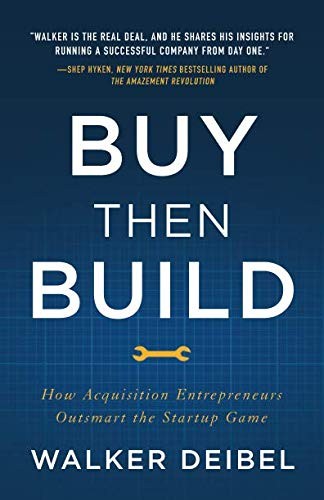
Buy Then Build by Walker Deibel book cover

6. Buy Then Build

Walker Deibel · 2018

Deibel's case that buying an existing, profitable small business beats starting one from scratch.

Buy Then Build attacks a real blind spot: most people equate entrepreneurship with founding, when acquiring an existing cash-flowing business is statistically a far less risky path to ownership. Deibel’s numbers on startup failure rates versus acquisition survival rates are the book’s strongest argument. Skip it if your idea genuinely can’t be bought, some businesses have to be built, not acquired.

Read it if: aspiring entrepreneurs who assume 'starting a business' means starting from zero

Skip it if: you're building something genuinely novel that can't be bought

Full verdict: Buy Then Build →

Virtual Freedom by Chris Ducker book cover

7. Virtual Freedom

Chris Ducker · 2014

Ducker's system for building a business that runs while you're asleep, via virtual teams.

Virtual Freedom is a pragmatic guide to hiring virtual assistants and building remote systems. Less glamorous than 4-Hour Workweek but more actionable on the hiring mechanics. Skip it if you’ve already built your team.

Read it if: founders drowning in tasks who need to delegate to scale

Skip it if: you already run a fully delegated, location-independent operation

Full verdict: Virtual Freedom →

The Art of Non-Conformity by Chris Guillebeau book cover

8. The Art of Non-Conformity

Chris Guillebeau · 2010

Chris Guillebeau on designing a unconventional life and career on your terms.

The Art of Non-Conformity is Guillebeau’s manifesto for custom-made lives: define your own rules, do remarkable things, and connect with others doing the same. Inspiring and practical. Skip it if you’ve already written your own script.

Read it if: people who want to opt out of the default life script

Skip it if: you already live a deliberate, unconventional life

Full verdict: The Art of Non-Conformity →

Frequently Asked Questions

What is the best book for a bootstrapped founder?

Profit First. Michalowicz's system, pay yourself and your profit margin first, then run the business on what's left, sounds backwards, but it's the single fastest fix for the founder who's always technically profitable and always somehow broke.

I have no money and no idea where to start. What do I read?

The Power of Broke. Daymond John's argument, backed by his own FUBU story, is that having no capital forces the creative resourcefulness that funded founders never develop. It's the mindset book for exactly your situation.

Is How to Get Rich actually useful, or just a rich guy's memoir?

Both, honestly. Felix Dennis is blunt about the parts other books sanitize, luck, ruthlessness, and the personal cost of obsessive wealth-building. Read it for the unfiltered version of what building a fortune from nothing actually requires, not for a tidy framework.

What's the actual order to read these in?

Profit First to fix your money mechanics now. The Power of Broke, Keyboard Rich, and Click Millionaires for the resourcefulness and low-capital income ideas. Virtual Freedom once you have a business and need to stop being the bottleneck. The Art of Non-Conformity last, for designing what you actually want the freedom for.

I don't want to start from zero. Is there a bootstrapped path that isn't founding something new?

Buy Then Build. Walker Deibel's case for acquiring an existing, cash-flowing small business instead of starting one, statistically less risky than a startup, and it skips the fragile early years entirely.

Keep Reading