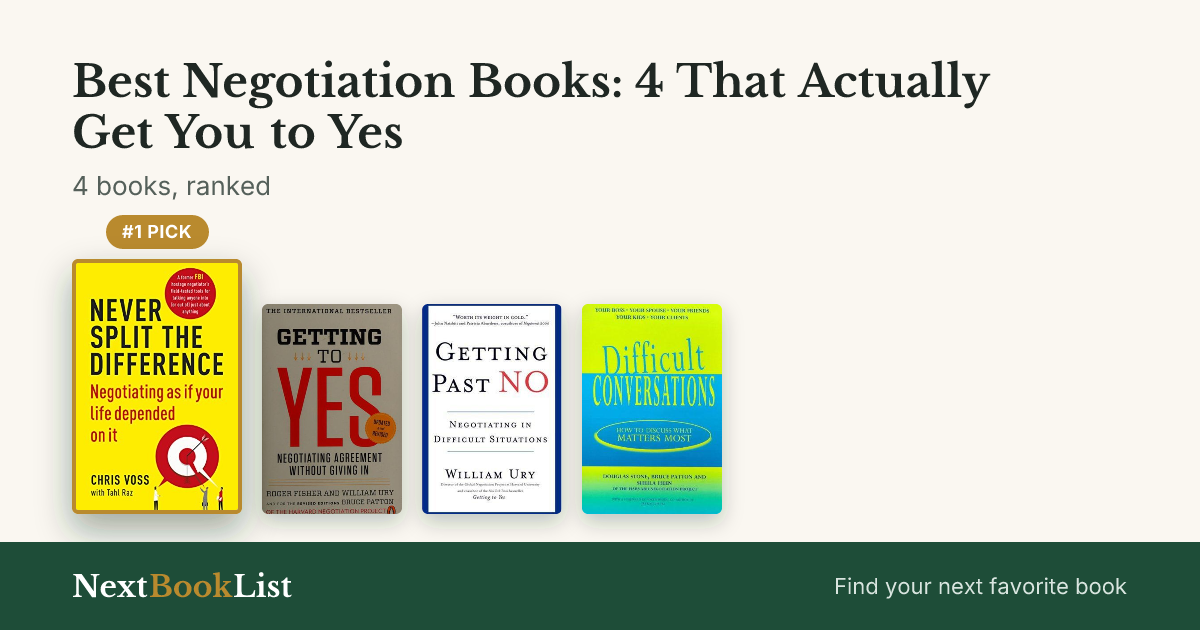
The best negotiation book is Never Split the Difference, because Chris Voss gives you tactics you can use in the next conversation you have, not a semester of theory. Mirror the last three words, label the emotion in the room, ask a calibrated “how” instead of a demand. It works because it’s built from actual hostage negotiations, where getting it wrong had real stakes.
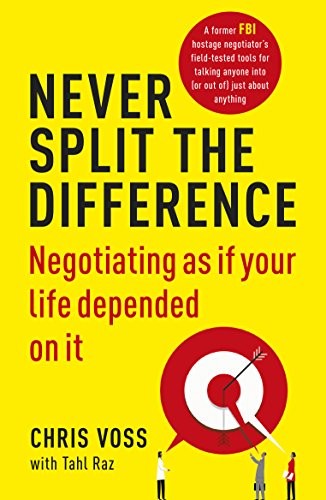
Getting to Yes is still worth reading right after it. Fisher and Ury’s principled-negotiation frame, people versus problem, interests versus positions, objective criteria over raw power, is the operating system Voss’s tactics run on top of. Skip it only if you’ve already internalized the frame and just want sharper moves.
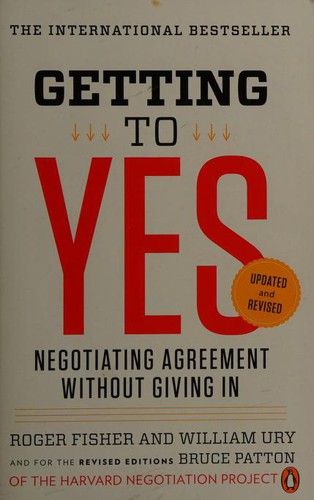
Getting Past No exists for the negotiation Getting to Yes doesn’t cover: the one where the other side is stonewalling, hostile, or negotiating in bad faith. Ury’s own sequel is the playbook for exactly that case.
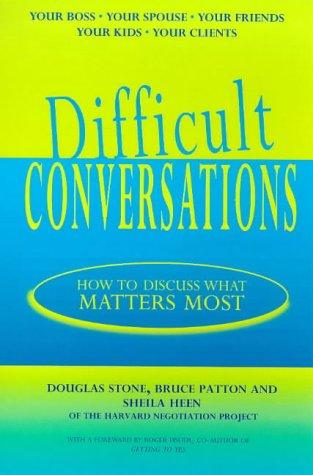
Close with Difficult Conversations, for the talks that don’t look like negotiations but are, the feedback you’re avoiding, the argument that keeps almost happening. Same discipline, aimed at people you actually care about instead of a counterparty across a table.
One warning: negotiation books are where people collect tactics and never use them under real pressure. Read one, then run it in your next actual conversation, not a hypothetical one.
Chris Voss · 2016
A former FBI hostage negotiator's tactics for getting yes in any deal.
Chris Voss turns hostage negotiation into business gold: mirroring, labeling, calibrated ‘how’ questions, and the ackerman model. More street-smart than Getting to Yes, and immediately usable. Skip it only if you’ve already weaponized tactical empathy.
Read it if: founders, salespeople, and anyone who wants to negotiate with empathy
Skip it if: you already use tactical empathy and calibrated questions fluently
Full verdict: Never Split the Difference →
Roger Fisher · 1981
The Harvard Negotiation Project's method for principled deals everyone can live with.
Getting to Yes is the canon of principled negotiation: separate people from the problem, focus on interests not positions, invent options, use objective criteria. Forty years on, still the best starter negotiation book. Skip it only if you teach the subject.
Read it if: anyone who negotiates, which is everyone, daily
Skip it if: you already separate people from problem and trade on interests
Full verdict: Getting to Yes →
William Ury · 1991
Ury's sequel: how to negotiate with the resistant, hostile, and unreasonable.
Getting Past No is the negotiation-for-hostiles manual: don’t react, reframe, build a golden bridge, let them save face. A natural follow-on to Getting to Yes. Skip it if you rarely face hardball.
Read it if: anyone who hits a wall with difficult counterparts
Skip it if: you only negotiate with friendly, rational parties
Full verdict: Getting Past No →
Frequently Asked Questions
What is the best negotiation book to start with?
Never Split the Difference. Chris Voss turns FBI hostage-negotiation tactics, tactical empathy, mirroring, calibrated "how" questions, into something you can use in a salary talk or a vendor deal tomorrow. It's more street-smart and more immediately usable than the academic classics.
Isn't Getting to Yes the classic here? Why is it second?
It still earns its spot. Getting to Yes is the origin of "principled negotiation", separate people from the problem, argue interests not positions, and forty years later it's still the cleanest introduction to the subject. Voss just updated the tactics; Fisher and Ury built the frame Voss is negotiating inside of.
What do I read when the other side won't cooperate at all?
Getting Past No. It's Ury's own sequel, written for exactly the case Getting to Yes assumes away: a hostile, resistant, or unreasonable counterpart. If your negotiations are civil, you may not need it. If they're not, it's the most useful book on this list.
These are all about deals. What about hard conversations at home or work that aren't really "negotiations"?
Difficult Conversations. It's the Harvard Negotiation Project's method turned toward the talks that don't feel like negotiating, the overdue feedback, the roommate argument, the conversation you've been avoiding for months. Separate what happened, feelings, and identity, and most of the dread goes away.