Best Personal Finance Classics: 5 Older Books That Still Hold Up

Updated July 16, 2026 · 5 books

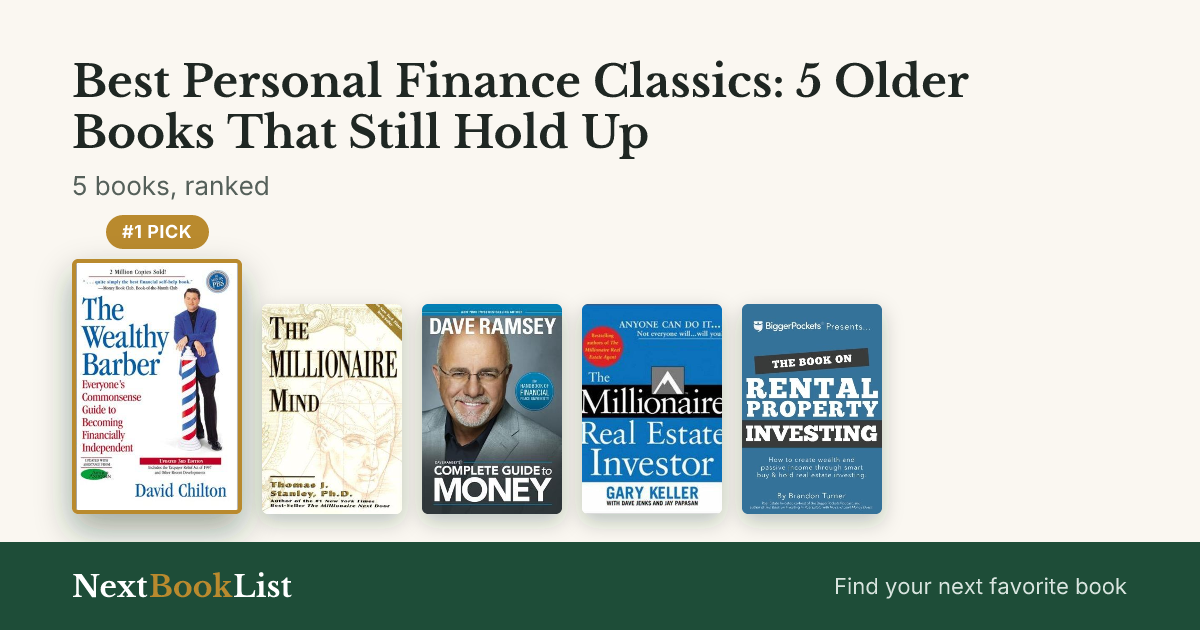
Best Personal Finance Classics: 5 Older Books That Still Hold Up: ranked list of 5 books

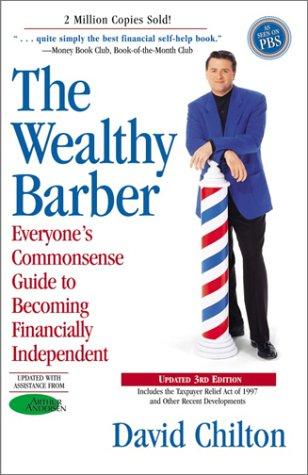
The best entry point here is The Wealthy Barber, an odd format that works, a barber teaching his customers to save automatically and let compounding do the rest, wrapped in a novel instead of a lecture. It’s older than most personal finance books people still recommend, and the core advice, pay yourself first, hasn’t needed updating. The Millionaire Mind is a similar-era classic, Thomas Stanley’s research into how everyday millionaires actually built their wealth, which turns out to be less flashy and more disciplined than most people assume.

Dave Ramsey’s Complete Guide to Money is the polarizing one on this list, and we’re not going to pretend it isn’t. His debt-snowball method, pay off smallest balances first regardless of interest rate, is mathematically worse than paying off your highest-interest debt first. But it works for a lot of people anyway, because a cleared balance is a psychological win a spreadsheet can’t replicate, and sticking with a plan you’ll actually follow beats abandoning an optimal one. Read it knowing that tradeoff going in, not as gospel.

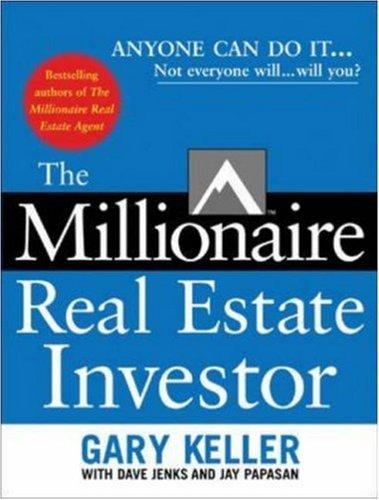
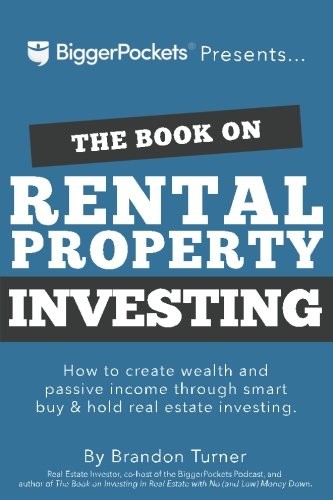
The last two entries branch into a specific niche: rental property investing. The Millionaire Real Estate Investor lays out the mindset and framework, The Book on Rental Property Investing gets more tactical about actually buying and holding units. Skip these two if landlording isn’t a goal, they’re a real turn away from the general-audience books ahead of them on this list.

For newer personal finance thinking, see our main personal finance list, this one is specifically the older material that’s held up.

Quick Comparison

#BookBest for
1The Wealthy BarberDavid Chiltonyou want the simplest possible introduction to saving and investing fundamentals, told as an easy, story-driven parableAmazon
2The Millionaire MindThomas J. Stanleyyou want survey-based research on how actual self-made millionaires think about risk, career choice, and money, from the author of The Millionaire Next DoorAmazon
3Dave Ramseys Complete Guide To Money The Handbook Of Financial Peace UniversityDave Ramseyanyone weighing whether Dave Ramseys Complete Guide To Money The Handbook Of Financial Peace University belongs on their business and money shelfAmazon
4The Millionaire Real Estate InvestorGary Keller, Dave Jenks & Jay Papasanyou want a structured, model-based framework for real estate investing, built from interviews with actual millionaire investors rather than a single author's opinionAmazon
5The Book on Rental Property Investing: How to Create Wealth and Passive Income Through Intelligent Buy & Hold Real Estate Investing!Brandon Turneranyone weighing whether The Book on Rental Property Investing: How to Create Wealth and Passive Income Through Intelligent Buy & Hold Real Estate Investing! belongs on their business and money shelfAmazon

The Books

The Wealthy Barber by David Chilton book cover

1. The Wealthy Barber

David Chilton · 1989

Personal finance basics, delivered as a parable through a small-town barber dispensing advice between haircuts. Canada's answer to The Richest Man in Babylon.

Chilton’s barber-shop parable format makes the fundamentals genuinely accessible, which is exactly why the book became a Canadian personal-finance staple for decades. It’s foundational rather than advanced – read it once for the habits, then move on to something more specific to your actual investing questions.

Read it if: you want the simplest possible introduction to saving and investing fundamentals, told as an easy, story-driven parable

Skip it if: you already have the basics down (pay yourself first, invest consistently, use tax-advantaged accounts), this covers foundational ground The Richest Man in Babylon and Rich Dad Poor Dad also already cover
Full verdict: The Wealthy Barber →

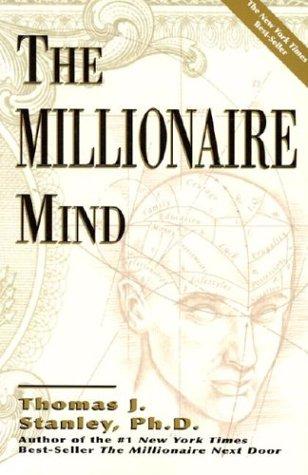
The Millionaire Mind by Thomas J. Stanley book cover

2. The Millionaire Mind

Thomas J. Stanley · 2000

Stanley's follow-up to The Millionaire Next Door, surveying real millionaires directly about the mindset and choices behind their wealth, distinct from Secrets of the Millionaire Mind, T. Harv Eker's book already on this site.

Stanley’s survey-driven method is the book’s real strength – rather than theorizing about what makes people wealthy, he asked actual self-made millionaires directly, and the answers (ordinary businesses, unglamorous industries, low status-anxiety) consistently undercut popular assumptions. Keep it separate in your head from Eker’s differently-titled, differently-sourced book on the same general topic.

Read it if: you want survey-based research on how actual self-made millionaires think about risk, career choice, and money, from the author of The Millionaire Next Door

Skip it if: you're looking for Secrets of the Millionaire Mind, that's a different book, by T. Harv Eker, focused on money 'blueprints' and mindset psychology rather than Stanley's survey-driven demographics

Full verdict: The Millionaire Mind →

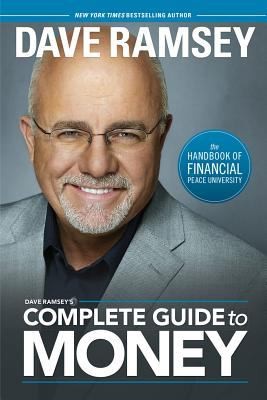
Dave Ramseys Complete Guide To Money The Handbook Of Financial Peace University by Dave Ramsey book cover

3. Dave Ramseys Complete Guide To Money The Handbook Of Financial Peace University

Dave Ramsey · 2011

Dave Ramsey's take on business, the honest verdict is below.

Ramsey’s full zero-nonsense system for getting out of debt and building a basic foundation. Read it if you’re drowning in debt and need a strict, religious-tinged ruleset. Skip it if you want nuance on investing or you already live on a budget, he’ll tell you to quit eating at restaurants and that’s most of it.

Read it if: anyone weighing whether Dave Ramseys Complete Guide To Money The Handbook Of Financial Peace University belongs on their business and money shelf

Skip it if: you want a different angle than Dave Ramsey's

Full verdict: Dave Ramseys Complete Guide To Money The Handbook Of Financial Peace University →

The Millionaire Real Estate Investor by Gary Keller, Dave Jenks & Jay Papasan book cover

4. The Millionaire Real Estate Investor

Gary Keller, Dave Jenks & Jay Papasan · 2005

Keller Williams' co-founder distills interviews with 100+ real estate millionaires into a myth-busting, model-driven investing framework.

The survey-based approach (real numbers from real investors, not one author’s personal anecdote) gives this more credibility than most real estate investing books, and the Network-Hire-Manage framework is genuinely useful once you’re past the beginner stage and actually scaling a portfolio.

Read it if: you want a structured, model-based framework for real estate investing, built from interviews with actual millionaire investors rather than a single author's opinion

Skip it if: you're investing in stocks or general business, not property, this is specifically real estate-focused, unlike broader books like Rich Dad Poor Dad or The Intelligent Investor

Full verdict: The Millionaire Real Estate Investor →

The Book on Rental Property Investing: How to Create Wealth and Passive Income Through Intelligent Buy & Hold Real Estate Investing! by Brandon Turner book cover

5. The Book on Rental Property Investing: How to Create Wealth and Passive Income Through Intelligent Buy & Hold Real Estate Investing!

Brandon Turner · 2015

Brandon Turner's take on business, the honest verdict is below.

Turner’s BiggerPockets guide is the friendly on-ramp to buy-and-hold rentals, thorough, encouraging, realistic about work. Read it before your first rental; skip it if you want advanced tax or syndication strategy, because this is the 101.

Read it if: anyone weighing whether The Book on Rental Property Investing: How to Create Wealth and Passive Income Through Intelligent Buy & Hold Real Estate Investing! belongs on their business and money shelf

Skip it if: you want a different angle than Brandon Turner's

Full verdict: The Book on Rental Property Investing: How to Create Wealth and Passive Income Through Intelligent Buy & Hold Real Estate Investing! →

Frequently Asked Questions

What is the best older personal finance book to start with?

The Wealthy Barber. It's a novel, of all things, a barber explaining compound interest and the pay-yourself-first rule to his customers, and the fundamentals inside haven't gone stale even though the book is decades old now.

Is Dave Ramsey's debt-snowball method actually the best way to pay off debt?

Mathematically, no, paying off your highest-interest debt first saves you more money. Ramsey's snowball method, smallest balance first, is worse on paper but works for a lot of people because clearing a full balance fast builds momentum that a spreadsheet-optimal plan doesn't. Know the tradeoff going in.

How is this different from your other personal finance list?

Our main personal finance list covers newer books, The Psychology of Money, I Will Teach You to Be Rich. This list is the older debt-payoff and real-estate-investing classics, different era, different angle, some of it (the last two books) branches specifically into rental property investing.

Do I need to be interested in real estate to read this whole list?

No. The first three books, The Wealthy Barber, The Millionaire Mind, and Dave Ramsey's guide, are general personal finance. The last two, The Millionaire Real Estate Investor and The Book on Rental Property Investing, are the real estate branch, skip them if landlording isn't your goal.

Keep Reading