Best Sci-Fi Books: 5 Ranked by How They Hold Up

Updated July 15, 2026 · 5 books

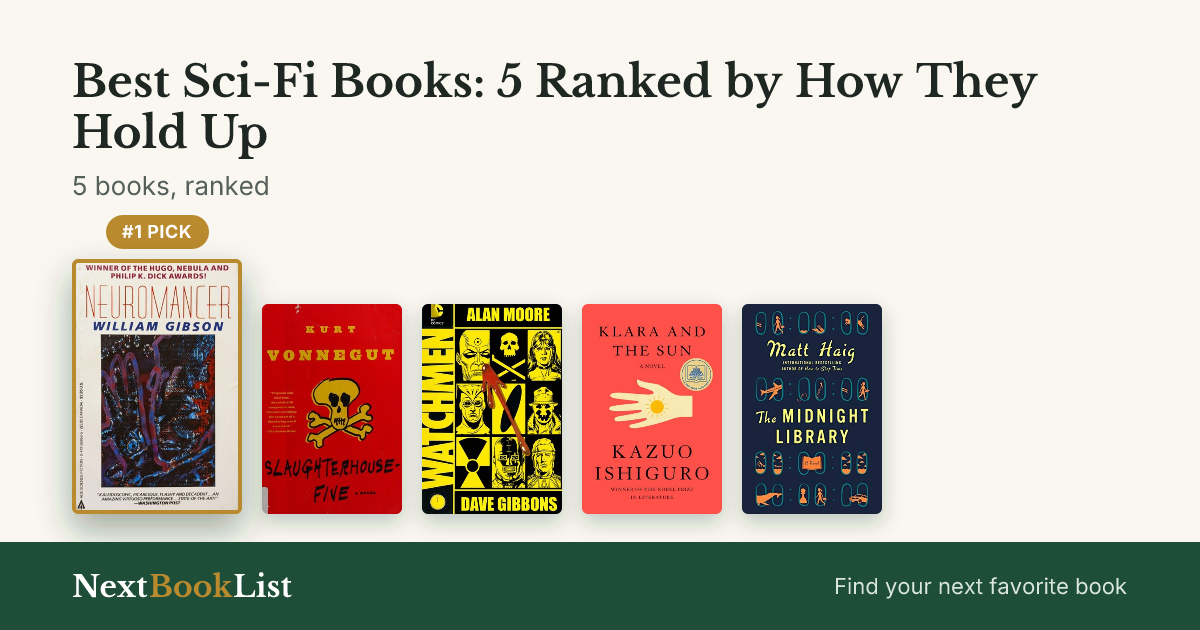
Best Sci-Fi Books: 5 Ranked by How They Hold Up: ranked list of 5 books

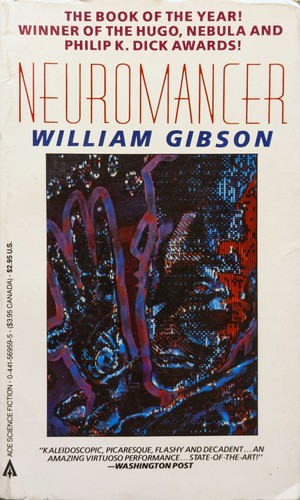
The best sci-fi book here is Neuromancer, and it’s the one with the strongest claim to “essential.” William Gibson coined the word cyberspace and built the console-cowboy, hacker-heist template the entire cyberpunk genre still runs on, and he wrote it before the internet existed to prove any of it right. It’s disorienting for the first fifty pages by design — Gibson doesn’t hand-hold — but it’s the founding document.

This isn’t a canonical “best sci-fi ever written” ranking, and we’re not pretending it is. It’s five books NextBookList currently has verdicts for, and each earns its spot for a different reason. Slaughterhouse-Five is war satire wearing a time-travel structure, using a POW’s unstuck sense of time to argue that trauma doesn’t unfold chronologically. Watchmen uses its alternate-history premise (real masked vigilantes, one of them god-like) to deconstruct the superhero genre from the inside, with a nine-panel structure that rewards slow reading.

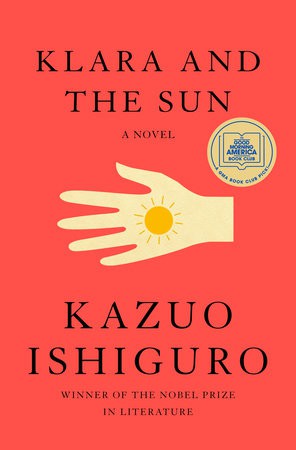
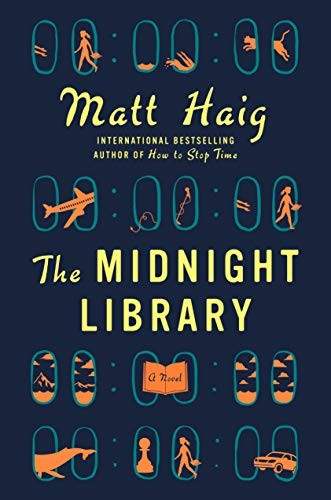
Klara and the Sun is the quietest entry, Kazuo Ishiguro’s first novel after winning the Nobel, narrated by an artificial companion whose limited understanding makes the emotional reveals land harder. The Midnight Library closes the list as the gentlest read, a hopeful multiverse novel about the road not taken that’s closer to a self-help fable than hard science fiction.

One thing worth knowing going in: this list will grow as more sci-fi verdicts get added. Five books spanning cyberpunk to literary AI fiction to a multiverse fable is a real range, but it isn’t the whole genre yet.

Quick Comparison

#BookBest for
1NeuromancerWilliam Gibsonyou want the source text for cyberpunk -- console cowboys, mirrored lenses, and a shared-hallucination matrix, all written before the web was a real thingAmazon
2Slaughterhouse-FiveKurt Vonnegutyou want the sharpest, funniest, saddest anti-war novel ever written, one that refuses to make combat look nobleAmazon
3WatchmenAlan Moore and Dave Gibbonsyou want the superhero deconstruction every 'grim and gritty' comic since has been chasing, with a formal structure (the nine-panel grid, the pirate comic-within-a-comic) that rewards close, slow readingAmazon
4Klara and the SunKazuo Ishiguroyou want a quiet, devastating meditation on love, sacrifice, and what makes a person a person, narrated by an AI whose limited understanding makes the emotional reveals land harder, not softerAmazon
5The Midnight LibraryMatt Haigyou want a gentle, hopeful novel about regret and the road not taken, and you're okay with a premise that leans closer to self-help fable than literary fictionAmazon

The Books

Neuromancer by William Gibson book cover

1. Neuromancer

William Gibson · 1984

The novel that invented cyberpunk and coined the word 'cyberspace' -- before the internet existed to prove it right.

This is the book everyone else has been copying for forty years, and you can feel it on every page – the mirrorshades, the console cowboys, the corporate-run megacity, the AI with its own agenda. Most cyberpunk that followed sanded down Gibson’s prose into something more readable and lost the disorientation that made the original work.

Read it as the source, not as an easy Tuesday-afternoon paperback. It rewards a second read more than a first one, once you’re not spending half your attention just figuring out what a “deck” or a “construct” is.

Read it if: you want the source text for cyberpunk -- console cowboys, mirrored lenses, and a shared-hallucination matrix, all written before the web was a real thing

Skip it if: you need clean, pre-explained prose -- Gibson drops you into slang and tech with zero hand-holding, and the first fifty pages are genuinely disorienting
Full verdict: Neuromancer →

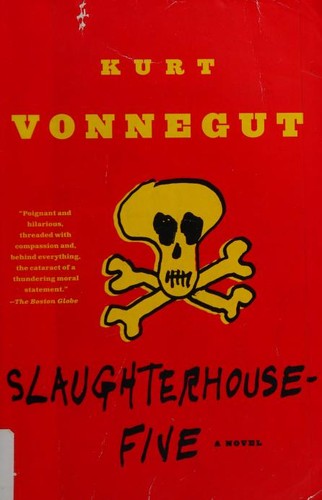
Slaughterhouse-Five by Kurt Vonnegut book cover

2. Slaughterhouse-Five

Kurt Vonnegut · 1969

A time-unstuck POW relives the firebombing of Dresden, an alien zoo abduction, and his own death, in whatever order his brain decides to show them to him.

Vonnegut spent over twenty years trying to write about Dresden and finally admitted, in the book’s own opening chapter, that a straight account wasn’t possible. So he wrote the alternative: fragmented, funny, sci-fi-inflected, and honest about its own failure to make sense of a massacre. That honesty is what separates it from every “important” war novel that pretends it has closure to offer.

It’s short enough to read in an afternoon and will sit with you a lot longer than that. If you’ve read Catch-22 and want something in the same anti-heroic register but stranger and sadder, this is the next stop.

Read it if: you want the sharpest, funniest, saddest anti-war novel ever written, one that refuses to make combat look noble

Skip it if: you need a linear plot -- the whole point of the structure is that trauma doesn't unfold chronologically, and if that annoys you rather than moves you, this isn't your book

Full verdict: Slaughterhouse-Five →

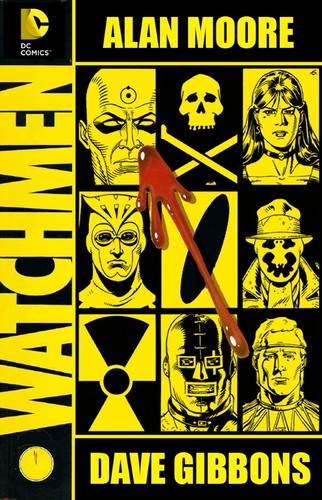
Watchmen by Alan Moore and Dave Gibbons book cover

3. Watchmen

Alan Moore and Dave Gibbons · 1987

A washed-up masked vigilante's murder unravels into a conspiracy to save the world by nuking millions of New Yorkers -- the graphic novel that proved comics could carry literary weight.

What holds up best after this many imitators is the craft, not just the cynicism – the nine-panel grid, the interlocking timelines, the pirate comic running underneath the main story as commentary. Most “dark” superhero comics since have copied the mood and skipped the structure. Read this before any of them.

Read it if: you want the superhero deconstruction every 'grim and gritty' comic since has been chasing, with a formal structure (the nine-panel grid, the pirate comic-within-a-comic) that rewards close, slow reading

Skip it if: you want a fun, uncomplicated superhero story -- Watchmen is bleak and morally ambiguous by design, and it's a bad first comic to hand someone new to the medium

Full verdict: Watchmen →

Klara and the Sun by Kazuo Ishiguro book cover

4. Klara and the Sun

Kazuo Ishiguro · 2021

An artificial friend narrates her own purchase, her devotion to a sick child, and her quiet belief that the Sun can heal -- Ishiguro's first novel after winning the Nobel Prize.

What makes this land is how little Klara understands about her own situation compared to the reader – Ishiguro trusts you to feel the horror and the tenderness of her devotion well before she can name either one herself. That’s the same trick that made Never Let Me Go work, executed just as precisely a second time.

Read it if: you want a quiet, devastating meditation on love, sacrifice, and what makes a person a person, narrated by an AI whose limited understanding makes the emotional reveals land harder, not softer

Skip it if: you want plot-driven science fiction with clear worldbuilding and stakes -- Ishiguro deliberately keeps the world hazy and the pace slow; if you loved Never Let Me Go's directness, expect something even more restrained here

Full verdict: Klara and the Sun →

The Midnight Library by Matt Haig book cover

5. The Midnight Library

Matt Haig · 2020

A suicidal woman finds a library between life and death where every book lets her live out a different version of her life, if she'd only made one different choice.

The book’s biggest strength is also its limit: every alternate Nora eventually teaches the same lesson, which makes for a satisfying whole but a repetitive middle. If you want the same emotional territory with sharper, less resolved edges, Ruth Ozeki’s A Tale for the Time Being covers similar ground with more ambiguity.

Read it if: you want a gentle, hopeful novel about regret and the road not taken, and you're okay with a premise that leans closer to self-help fable than literary fiction

Skip it if: you want harder-edged, morally messy fiction -- every alternate life here exists to teach Nora a tidy lesson, which makes the book feel more like structured therapy than a novel by the back half; also worth knowing going in: the book opens with a suicide attempt and treats ideation directly throughout

Full verdict: The Midnight Library →

Frequently Asked Questions

What is the best sci-fi book to start with?

Neuromancer, if you want the source text. It coined the word 'cyberspace' before the internet existed to prove it right, and console cowboys, mirrored lenses, and hacking-as-heist all trace back to this one novel.

Is this a list of the greatest sci-fi novels ever written?

No, and we won't pretend otherwise. It's five books NextBookList currently has verdicts for, each genuinely worth reading for a different reason — cyberpunk, superhero deconstruction, literary AI fiction, war satire, and speculative multiverse fiction. It'll grow.

Is Watchmen really science fiction?

It's a graphic novel that uses a speculative alternate-history premise (masked vigilantes actually existed, one of them became a god-like being) to deconstruct the superhero genre. We're including it here because the speculative premise does real narrative work, not just costume decoration.

What's the gentlest entry point if hard sci-fi isn't my thing?

The Midnight Library. It's a hopeful, accessible novel about regret and alternate lives that leans closer to a self-help fable than hard science fiction — an easy on-ramp if Neuromancer's slang-heavy opening sounds intimidating.

Keep Reading