Best 20th-Century American Novels: 8 That Defined the Era

Updated July 15, 2026 · 8 books

Best 20th-Century American Novels: 8 That Defined the Era: ranked list of 8 books

Start with The Great Gatsby. Fitzgerald packs the whole century’s central argument, that American self-invention comes with a bill, into under 200 pages, and everything else on this list is in conversation with it one way or another.

The rest of the century plays out roughly in order. The Lost Generation drinks its way through Paris in The Sun Also Rises, then Hemingway strips everything back down to one old man and one fish in The Old Man and the Sea. Steinbeck’s Dust Bowl migrants in The Grapes of Wrath turn the same disillusionment into outright political fury. Kerouac’s On the Road takes the restlessness cross-country and calls it freedom. Catch-22 turns WWII bureaucracy into absurdist comedy so sharp it gave the language its own phrase for an unwinnable trap.

Then the century gets bigger and stranger. Infinite Jest and The Corrections are both postmodern, both dense, both concerned with American excess and family dysfunction, and neither is a casual pick. Be honest with yourself about Infinite Jest specifically: it’s over 1,000 pages, footnoted like an academic paper, and a real commitment even for serious readers. Start with The Corrections if you want the postmodern flavor without the endurance test, and only go to Wallace once you know you’re in for the long haul.

Quick Comparison

#BookBest for
1The Great GatsbyF. Scott Fitzgeraldyou want the sharpest, shortest classic on the gap between reinvention and reality -- 180 pages that still landAmazon
2The Sun Also RisesErnest Hemingwayyou want the book that defined the 'lost generation' and the spare, understated Hemingway style everyone since has either copied or reacted againstAmazon
3The Old Man and the SeaErnest Hemingwayyou want the shortest possible entry point into Hemingway, or a book about dignity in defeat you can finish in a single sittingAmazon
4On the RoadJack Kerouacyou want the book that defined the Beat Generation and basically invented the modern road-trip novel -- restless, rhythmic, in love with motion for its own sakeAmazon
5The Grapes of WrathJohn Steinbeckyou want the definitive American novel about economic dispossession -- what happens to a family, and a country, when the land stops payingAmazon
6Catch-22Joseph Helleryou want the sharpest satire of bureaucratic insanity ever written -- the book that gave the language its own word for a no-win ruleAmazon
7Infinite JestDavid Foster Wallaceyou want the defining postmodern American novel about addiction, entertainment, and loneliness, and you're willing to commit real time -- and two bookmarks -- to get thereAmazon
8The CorrectionsJonathan Franzenyou want a big, satirical, psychologically dense family novel that nails turn-of-the-millennium American anxiety -- money, pharma, food trends, tech optimism -- through one deeply dysfunctional familyAmazon

The Books

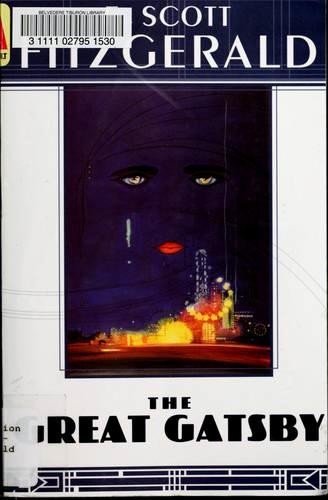
The Great Gatsby by F. Scott Fitzgerald book cover

1. The Great Gatsby

F. Scott Fitzgerald · 1925

A small-town nobody reinvents himself as a mysterious millionaire to win back the woman who married someone else -- and the American Dream turns out to be a very expensive lie.

What holds up is the control – every party, every glance across the bay, is doing double duty as plot and symbol, and Fitzgerald never once slows down to explain the trick. Read it once for the romance, once for the class critique; it survives both readings.

Read it if: you want the sharpest, shortest classic on the gap between reinvention and reality -- 180 pages that still land

Skip it if: you want a straightforward romance -- this is a tragedy about longing and status dressed up as a love story, and everyone involved is more compromised than they look
Full verdict: The Great Gatsby →

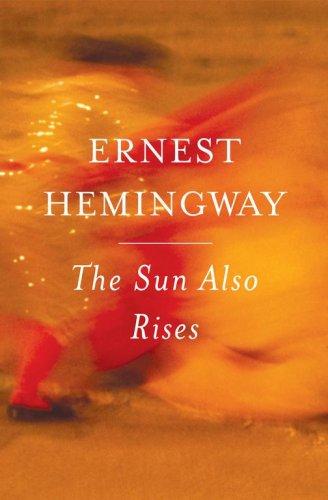
The Sun Also Rises by Ernest Hemingway book cover

2. The Sun Also Rises

Ernest Hemingway · 1926

A wounded WWI veteran and his circle of expat friends drink, bicker, and chase a woman none of them can actually have across Paris and Pamplona -- and Hemingway invents an entire prose style doing it.

The bullfighting sections aren’t filler – they’re the closest thing the book has to a thesis statement, showing characters who can only feel alive watching someone else risk everything on purpose.

Read it if: you want the book that defined the 'lost generation' and the spare, understated Hemingway style everyone since has either copied or reacted against

Skip it if: you want characters who grow or resolve their problems -- the whole point is that this generation is stuck, and the ending is a shrug, not a resolution

Full verdict: The Sun Also Rises →

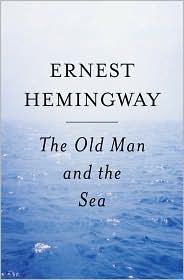
The Old Man and the Sea by Ernest Hemingway book cover

3. The Old Man and the Sea

Ernest Hemingway · 1952

One old fisherman, one impossibly big marlin, and about 100 pages that prove courage doesn't need a happy ending.

There’s almost no plot here and it doesn’t matter. Hemingway spends the whole book on one old man refusing to let a losing streak define him, and the prose is so pared down that every short sentence lands harder than it should. The sharks stripping the marlin to bones on the way home is one of the bleakest anticlimaxes in American fiction, and Hemingway doesn’t soften it.

Skip it if you want a book with a cast of characters or a twist – this is one man’s internal resolve, full stop. But if you’ve been avoiding Hemingway because his novels feel like homework, start here. It’s short enough that you can’t bail on it, and it’s the clearest distillation of what made him famous.

Read it if: you want the shortest possible entry point into Hemingway, or a book about dignity in defeat you can finish in a single sitting

Skip it if: you need a plot with more than one event -- this is a man, a boat, and a fish, told in the plainest prose Hemingway ever wrote

Full verdict: The Old Man and the Sea →

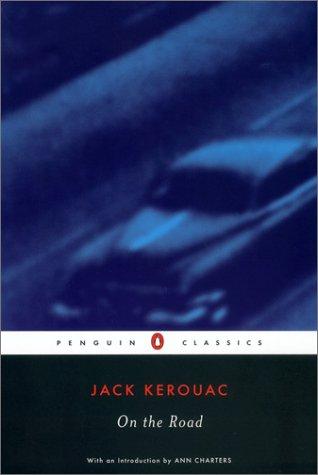
On the Road by Jack Kerouac book cover

4. On the Road

Jack Kerouac · 1957

A restless writer and his chaotic, magnetic friend Dean Moriarty crisscross postwar America chasing jazz, women, and a feeling neither of them can quite name.

What holds up best isn’t the road trips themselves, it’s the sentence-level style – Kerouac writes movement the way jazz musicians play it, in long unbroken runs that build momentum instead of stopping for breath. That’s the real reason this became a Beat Generation bible instead of just a travelogue.

What holds up worst is Dean Moriarty, and the book knows it by the final pages. If you can hold both of those at once (the electric prose and the guy who’s genuinely bad news for everyone around him), this is essential. If Dean grates on you from page one, it won’t get better.

Read it if: you want the book that defined the Beat Generation and basically invented the modern road-trip novel -- restless, rhythmic, in love with motion for its own sake

Skip it if: you need a plot with stakes -- this is a mood and a voice more than a story, it's episodic by design, and Dean Moriarty's charm wears thin fast if you're not on his wavelength

Full verdict: On the Road →

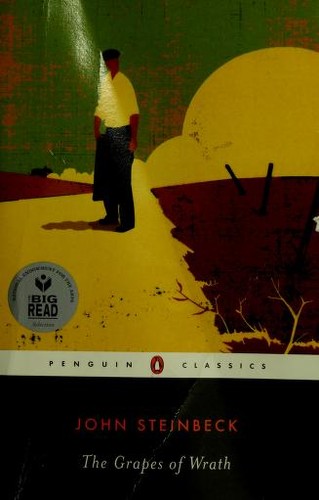
The Grapes of Wrath by John Steinbeck book cover

5. The Grapes of Wrath

John Steinbeck · 1939

A dust-bowl family loses their farm, drives to California on a promise of work, and finds out the promise was a lie designed to keep wages low.

Steinbeck doesn’t let you read this as a story about one unlucky family. Every few chapters he pulls back to show the machinery doing the same thing to everyone – a used-car lot fleecing desperate buyers, a tractor driver evicting a farm he doesn’t even hate, a labor market deliberately oversupplied so wages collapse. That structural anger is what separates it from lesser Dust Bowl fiction that settled for sentiment.

It earns its reputation as a classic by refusing comfort at every turn, right up to its startling final image. If you want Depression-era fiction with teeth instead of nostalgia, this is still the one to read.

Read it if: you want the definitive American novel about economic dispossession -- what happens to a family, and a country, when the land stops paying

Skip it if: you want fast plotting -- Steinbeck alternates story chapters with slower, essayistic 'interchapters' about the migration as a whole, and some readers find those a drag

Full verdict: The Grapes of Wrath →

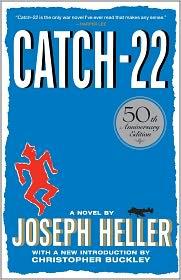
Catch-22 by Joseph Heller book cover

6. Catch-22

Joseph Heller · 1961

A WWII bombardier tries every logical trick to get grounded from flying more missions -- and discovers the military's rules are built so no logical trick can ever work.

The trick nobody talks about is how the book earns its ending – 400 pages of farce that quietly accumulate into real grief once you realize how many of the funny early scenes ended in a death you’re only now understanding.

Read it if: you want the sharpest satire of bureaucratic insanity ever written -- the book that gave the language its own word for a no-win rule

Skip it if: you need a linear plot -- this jumps in time and repeats scenes from different angles on purpose, which some readers find disorienting rather than funny

Full verdict: Catch-22 →

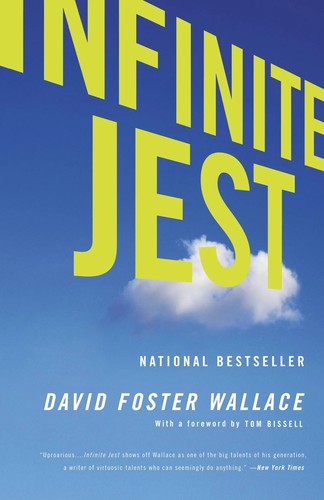
Infinite Jest by David Foster Wallace book cover

7. Infinite Jest

David Foster Wallace · 1996

A 1,000-plus-page novel about entertainment engineered to be so pleasurable it kills you, built around a tennis academy, a halfway house, and 400-plus endnotes you'll need two bookmarks for.

Wallace built a 1,000-plus-page argument that entertainment engineered for maximum pleasure is a kind of poison, then made his own novel maximally difficult to read, as if daring you to prove him wrong. It mostly works. The tennis-academy sections are the funniest writing about competitive ambition you’ll find anywhere, and the Ennet House sections are the most clear-eyed writing about addiction recovery in American fiction.

Nobody should start here as their first Wallace book – that’s what Consider the Lobster is for. But if you’ve read the essays and want the real commitment, this is still the one everyone’s talking about for a reason.

Read it if: you want the defining postmodern American novel about addiction, entertainment, and loneliness, and you're willing to commit real time -- and two bookmarks -- to get there

Skip it if: you want tight plotting, a clean ending, or a book you can read in airport-lounge chunks -- Wallace deliberately withholds resolution and makes the reading experience itself an act of labor

Full verdict: Infinite Jest →

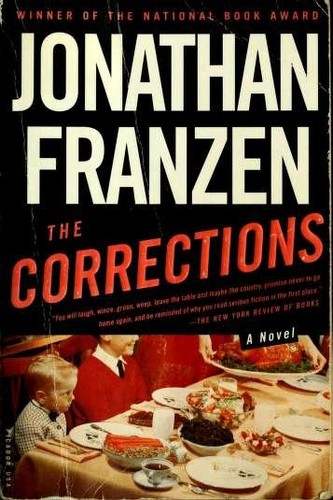
The Corrections by Jonathan Franzen book cover

8. The Corrections

Jonathan Franzen · 2001

A Midwestern couple's three adult children come home for one last Christmas while their father's mind quietly comes apart -- the novel that made literary fiction commercially viable again in 2001.

Franzen’s real trick here is making satire and genuine feeling coexist in the same paragraph – he can mock a character’s self-delusion and still make you feel the loneliness underneath it in the same breath. That balance is harder than it looks, and it’s the thing his imitators usually miss.

Read it if: you want a big, satirical, psychologically dense family novel that nails turn-of-the-millennium American anxiety -- money, pharma, food trends, tech optimism -- through one deeply dysfunctional family

Skip it if: you want characters to root for -- the Lamberts are difficult people making difficult choices, and Franzen doesn't sand down their edges to make anyone likable

Full verdict: The Corrections →

Frequently Asked Questions

What is the best 20th-century American novel to start with?

The Great Gatsby. It's short, it's the most quoted novel on this list, and it lays out the theme the rest of the century keeps arguing with: that reinventing yourself in America has a price, and the bill always comes due.

What's the difference between The Great Gatsby and The Sun Also Rises?

Gatsby is about the price of chasing the American Dream at home. The Sun Also Rises is about what's left when a generation loses faith in that dream entirely and goes looking for meaning in Paris and Pamplona instead. Read them back to back and you get the 1920s from both sides of the Atlantic.

Is Infinite Jest worth the effort?

If you're a casual reader looking for your next book, probably not this one first. It's over 1,000 pages with 400-plus endnotes you'll need a second bookmark for, and it demands real time. Read Catch-22 or The Corrections first, then come back to Infinite Jest when you're ready to commit.

What's the best Dust Bowl-era American novel?

The Grapes of Wrath. Steinbeck follows one family from a foreclosed farm to California on the promise of work, and the promise turns out to be a lie built to keep wages down. It's the angriest, most political book on this list, and it earns that anger.

What's a good entry point into postmodern American fiction?

The Corrections, not Infinite Jest. Franzen's novel about a Midwestern family's last Christmas together is dense but readable, and it's the book that proved literary fiction could still sell in 2001. Get comfortable with that before you take on Wallace.

Keep Reading