Best Thriller and Mystery Books: 6 That Actually Surprise You

Updated July 16, 2026 · 6 books

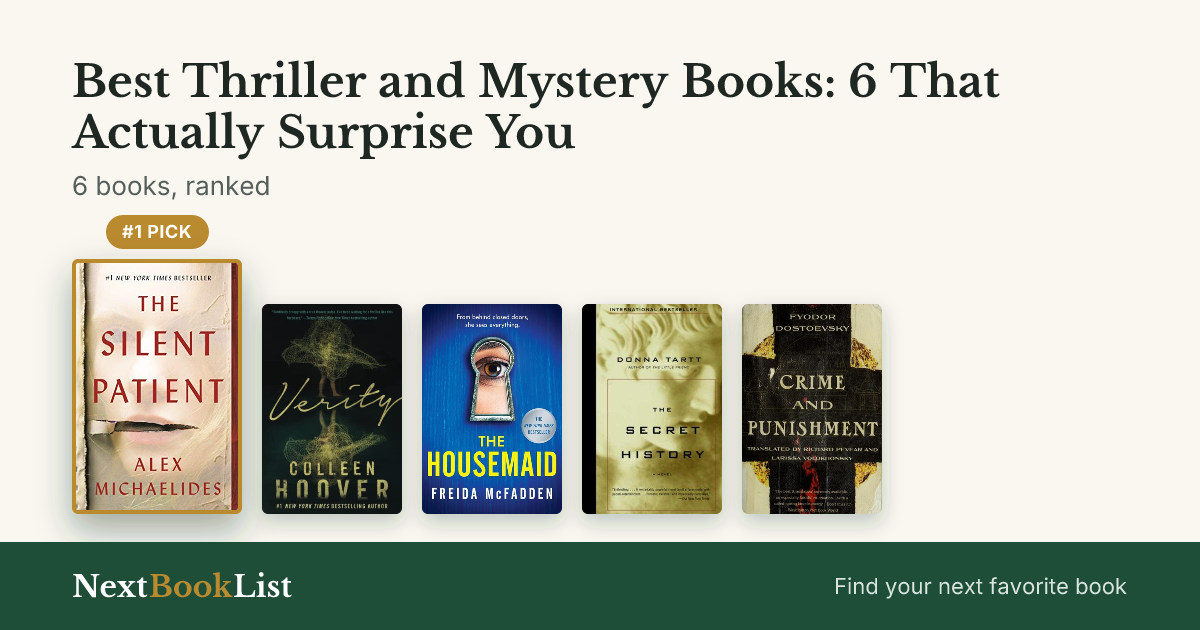
Best Thriller and Mystery Books: 6 That Actually Surprise You: ranked list of 6 books

The best thriller for pure twist quality is The Silent Patient. Alex Michaelides plants the answer in plain sight from the first chapter, and it still lands as a surprise for most readers. If you want the genre’s best trick done cleanly, start there.

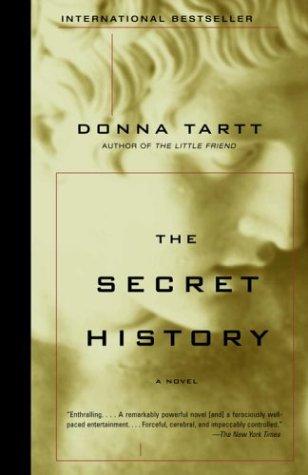
Verity and The Housemaid are the next tier, both built on narrators you shouldn’t trust and both fast enough to finish in a weekend. Verity leans harder into the unreliable-narrator device, told partly through a manuscript inside the story, while The Housemaid trades that trick for a quicker, twistier pace. The Secret History plays a different game entirely: it tells you who dies and who did it in the opening pages, then spends the rest of the book on the psychology of why, closer to a slow character study than a whodunit.

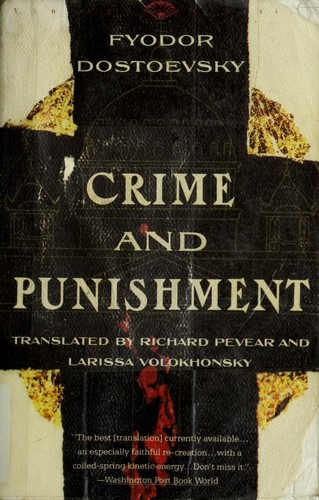
Crime and Punishment is the outlier, and it’s here on purpose. Dostoevsky was writing psychological suspense a century before the genre had a name, tracking a murderer’s guilt in real time rather than building toward a reveal. It fits the theme, but it’s a heavier, slower read than the other four, don’t pick it up expecting a page-turner.

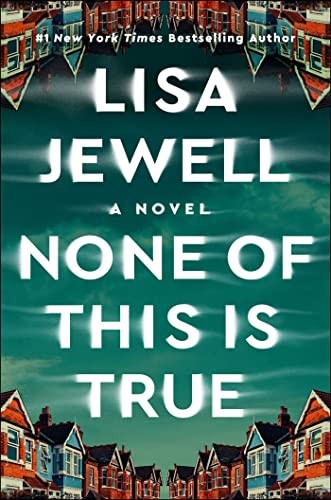
None of This Is True adds a slower-burn premise: two women who share a birthday meet by chance, one starts documenting the other’s life for a true-crime podcast, and the obsession curdles from there. If you want the dread to build rather than hit all at once, this is the one.

Rank these by how surprised you want to be versus how much patience you’re bringing. The Silent Patient rewards a reader who wants the twist. Crime and Punishment rewards one who wants the dread.

Quick Comparison

#BookBest for
1The Silent PatientAlex Michaelidesyou want a tightly plotted psychological thriller with one of the most talked-about twist endings in modern thriller fiction, in the vein of Gone GirlAmazon
2VerityColleen Hooveryou want a fast, twisty psychological thriller with an unreliable-narrator problem baked into the structure itself -- you don't know if the manuscript-within-the-book is true, and neither does the protagonistAmazon
3The HousemaidFreida McFaddenyou want a fast, twisty psychological thriller with an ending that upends everything you thought about the first half -- the kind of book people specifically warn you not to get spoiled onAmazon
4The Secret HistoryDonna Tarttyou want a literary thriller that tells you the ending upfront and still keeps you reading -- elite college insularity, Greek philosophy, and a murder with real guilt attachedAmazon
5Crime and PunishmentFyodor Dostoevskyyou want the foundational psychological novel, the one that basically invented the modern crime-and-guilt narrative before Freud had a name for any of itAmazon
6None of This Is TrueLisa Jewellyou want a slow-burn psychological thriller that takes its time before the dread kicks inAmazon

The Books

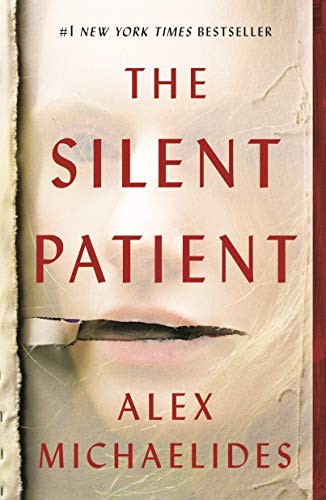
The Silent Patient by Alex Michaelides book cover

1. The Silent Patient

Alex Michaelides · 2019

A woman shoots her husband five times in the face, then never speaks another word -- and the psychotherapist obsessed with making her talk has his own reasons for taking the case.

The book’s real trick isn’t the twist itself, it’s the pacing around it – Michaelides alternates Alicia’s diary entries with Theo’s present-day investigation closely enough that you’re reading both as equally reliable right up until they’re not. That structural choice is why the reveal reads as fair-play rather than a last-minute swerve.

Read it if: you want a tightly plotted psychological thriller with one of the most talked-about twist endings in modern thriller fiction, in the vein of Gone Girl

Skip it if: you've already had the twist spoiled, or you strongly prefer character-driven thrillers over plot-mechanism ones -- this book is built almost entirely around the reveal landing clean
Full verdict: The Silent Patient →

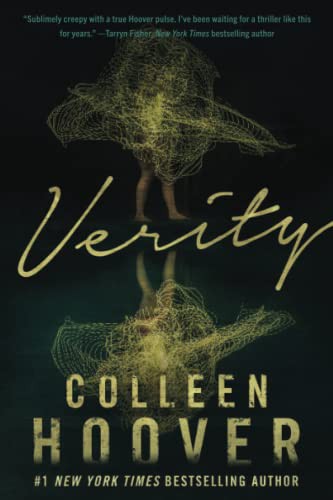
Verity by Colleen Hoover book cover

2. Verity

Colleen Hoover · 2018

A struggling writer takes over a bestselling author's unfinished series after the woman's accident -- then finds an unfinished manuscript that reads like a confession to murdering her own children.

The unreliable-manuscript trick is the whole reason this works: you’re reading Verity’s own words while never being sure if they’re a confession, a trap, or fiction inside the fiction. That structural gimmick is doing more work than the prose itself, and it’s exactly why the book became the water-cooler thriller of its year.

Read it if: you want a fast, twisty psychological thriller with an unreliable-narrator problem baked into the structure itself -- you don't know if the manuscript-within-the-book is true, and neither does the protagonist

Skip it if: you want polished literary prose or a clean, satisfying resolution -- Hoover writes for pace and shock value over craft, and the ending is deliberately ambiguous in a way that frustrates as many readers as it satisfies

Full verdict: Verity →

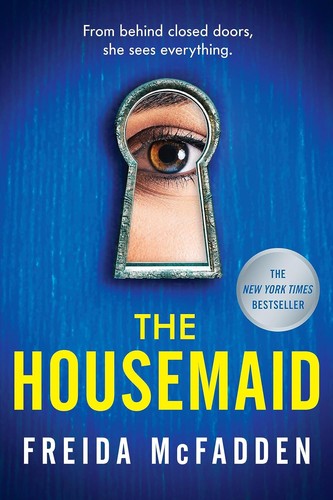
The Housemaid by Freida McFadden book cover

3. The Housemaid

Freida McFadden · 2022

A woman fresh out of prison takes a live-in housekeeper job with a wealthy family -- and quickly realizes her glamorous new employer, and the whole arrangement, isn't what it looks like.

McFadden’s background as a doctor writing thrillers on the side shows up in a specific way: she’s efficient, not showy, and the book never slows down for a scene that isn’t doing plot work. That’s exactly why it became a BookTok phenomenon – it’s engineered for people who read one chapter and then can’t put it down, not for people annotating prose.

Read it if: you want a fast, twisty psychological thriller with an ending that upends everything you thought about the first half -- the kind of book people specifically warn you not to get spoiled on

Skip it if: you want elegant prose or literary ambition -- this is airport-thriller writing built for momentum, not style, and the appeal is pure plot mechanics, not the sentences themselves

Full verdict: The Housemaid →

The Secret History by Donna Tartt book cover

4. The Secret History

Donna Tartt · 1992

You know who dies and who kills him on page one -- the whole novel is finding out how a group of classics students talked themselves into it.

Almost every “dark academia” novel published since owes this book a direct debt, and most of them missed what actually makes it work: Tartt isn’t selling you the tweed-and-candlelight aesthetic, she’s showing you how that aesthetic gets used to justify real cruelty.

Richard’s outsider desperation to belong is the real hook. He’s not a monster, he’s just someone who wanted in badly enough to look away, and that’s a much more uncomfortable thing to recognize in yourself than a straightforward villain would be.

Read it if: you want a literary thriller that tells you the ending upfront and still keeps you reading -- elite college insularity, Greek philosophy, and a murder with real guilt attached

Skip it if: you need fast pacing -- this is a slow-burn, atmosphere-first novel, and the murder itself happens well before the halfway point, leaving the back half to sit in the aftermath

Full verdict: The Secret History →

Crime and Punishment by Fyodor Dostoevsky book cover

5. Crime and Punishment

Fyodor Dostoevsky · 1866

A broke ex-student in St. Petersburg murders a pawnbroker to prove he's exempt from ordinary morality -- then spends 500 pages finding out he isn't.

What holds up best isn’t the murder plot – it’s Porfiry Petrovich, the detective who never needs to catch Raskolnikov in a lie because he understands his psychology better than Raskolnikov understands himself. That cat-and-mouse dynamic, built entirely on conversation rather than evidence, is the template a lot of modern psychological thrillers are still copying without crediting the source.

Read it if: you want the foundational psychological novel, the one that basically invented the modern crime-and-guilt narrative before Freud had a name for any of it

Skip it if: you're not ready for a genuine commitment -- this is a long, dense 19th-century Russian novel with a wall of patronymic names (Rodion Romanovich, Sofya Semyonovna) and a slow, interior first third; it rewards patience more than it grabs you

Full verdict: Crime and Punishment →

None of This Is True by Lisa Jewell book cover

6. None of This Is True

Lisa Jewell · 2023

Two women, same birthday, a chance meeting -- and a podcast that turns obsession into something dangerous.

Jewell opens with a premise that sounds almost cozy: two women, same birthday, a chance meeting, a podcast idea. It doesn’t stay cozy. The slow build is deliberate – she’s letting you get comfortable with both women before the boundary between documenting a life and controlling one starts to give way.

Read it if you want dread that accumulates instead of a twist-a-chapter thriller. Skip it if you need momentum from page one – the first act asks for patience before it pays off.

Read it if: you want a slow-burn psychological thriller that takes its time before the dread kicks in

Skip it if: you want fast, chapter-a-minute thrills from page one -- this one builds patiently before it turns dark

Full verdict: None of This Is True →

Frequently Asked Questions

What is the best thriller book with the biggest twist?

The Silent Patient. Alex Michaelides builds the ending in plain sight and most readers still don't see it coming. It's the sharpest twist-per-page ratio on this list.

Is Crime and Punishment really a thriller?

It's the outlier here on purpose. Dostoevsky was writing psychological suspense before 'psychological thriller' was a genre, following a murderer's unraveling guilt in real time. It's a heavier, slower read than the other four, go in knowing that.

What's the best mystery if I want something fast and easy to binge?

The Housemaid. It moves quickly, flips perspective in ways that keep you guessing, and doesn't demand the patience Crime and Punishment does.

Which one has the most reliable narrator problem?

Verity. The whole book is built on not being able to trust what you're reading, told through a manuscript within the story. If you like being actively misled, start here.

Is The Secret History a mystery in the traditional sense?

Not quite, it tells you who died and who did it early, then spends the rest of the book on why. That's a different kind of suspense than the other four, closer to a slow-motion character study of guilt.

Keep Reading