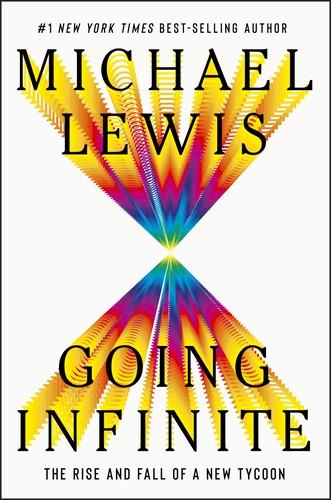
Going Infinite
by Michael Lewis · 2023
Michael Lewis spent two years shadowing Sam Bankman-Fried, and the book came out the same week the jury didn't buy the pitch.
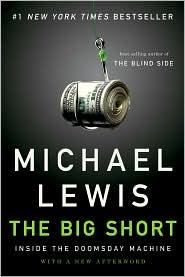
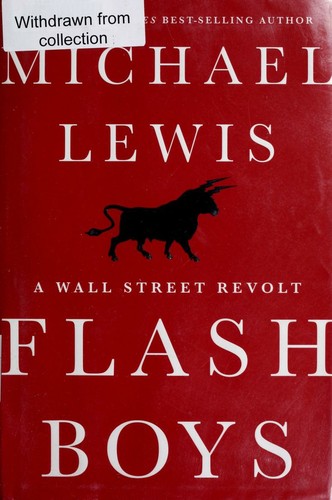
Worth reading? Where The Big Short and Flash Boys are about systems gone wrong, Going Infinite is about one specific person, and it's the shakiest verdict-wise of the three. Lewis had extraordinary access to Sam Bankman-Fried for two years, and the book landed the same week SBF was convicted of fraud -- which made Lewis's relatively sympathetic framing (portraying SBF as a chaotic, math-brained utilitarian rather than a calculated fraudster) look badly timed at best. Read it for the access -- nobody else got this close to SBF before the collapse -- but read it knowing Lewis is more interested in psychology than verdict, and treat his framing as one input, not the final word. Skip it if you want a clear-eyed account of the fraud itself; for that, pair it with Number Go Up or the trial reporting, which take a much more skeptical view of the same events.
| Full Title | Going Infinite: The Rise and Fall of a New Tycoon |
|---|---|
| Author | Michael Lewis |
| Published | 2023 |
| Publisher | W. W. Norton & Company |
| Category | Business & Money |
The Verdict
Lewis got access nobody else did, and the timing turned out brutal – the book landed as the jury returned a very different verdict on Sam Bankman-Fried than Lewis’s narrative implied. Read it for the closeness, not for the final word on what actually happened.
you want a close-up character study of Sam Bankman-Fried before and during the FTX collapse
you want the fraud laid out and condemned clearly -- read Number Go Up or the trial coverage instead
Book Summary
Sam Bankman-Fried built FTX and Alameda Research on a foundation of extreme utilitarian math -- expected value calculations applied to everything from trading risk to effective altruism -- which Lewis uses to explain SBF's apparent indifference to conventional norms around money, relationships, and personal comfort.
Lewis frames FTX's collapse less as a premeditated fraud and more as chaos: sloppy internal controls, a blurred line between FTX customer funds and Alameda's trading positions, and a founder who genuinely seemed to believe the numbers would work out, right up until they catastrophically didn't.
The book's central tension, which became its central controversy, is how much personal access shapes a journalist's framing. Lewis got the story only a handful of people could tell, but critics argued that closeness cost him the skepticism the story actually demanded -- especially once a jury reached a very different conclusion about intent.
Top 9 Lessons from Going Infinite
- SBF's utilitarian, expected-value worldview extended to everything -- trading risk, relationships, even personal hygiene.
- FTX and Alameda's funds were blurred together in ways that made 'chaos' and 'fraud' hard to cleanly separate from the outside.
- Effective altruism gave SBF a moral framework that justified enormous risk-taking in the name of long-term good.
- Deep personal access to a subject can produce extraordinary detail while costing a journalist necessary skepticism.
- A founder's genuine belief that the numbers will work out isn't the same as the numbers actually working out.
- Crypto's lack of regulatory guardrails let internal chaos at FTX go unchecked for far longer than it would have elsewhere.
- Charisma and confidence can substitute for actual controls -- until the moment they can't.
- The same math-brained thinking that built FTX's trading edge also blinded SBF to conventional risk management.
- A sympathetic narrative frame written in real time can age very badly once a jury reaches its own verdict.
Frequently Asked Questions
Is Going Infinite worth reading?
It's worth reading for the access -- nobody else got this close to Sam Bankman-Fried before FTX collapsed. Read it alongside a more skeptical account like Number Go Up, since Lewis's framing was widely criticized as too sympathetic.
What is the main idea of Going Infinite?
It's a close character study of Sam Bankman-Fried, framing FTX's collapse through his utilitarian math-brained worldview and chaotic internal controls rather than as a straightforwardly premeditated fraud.
Who should read Going Infinite?
Readers who want the psychological, close-up account of SBF's rise, paired with a more critical account of the actual fraud.
Was Going Infinite too sympathetic to Sam Bankman-Fried?
That's the book's main criticism. It came out the same week SBF was convicted, and many reviewers felt Lewis's relatively charitable framing didn't match what the trial revealed about intent.
Ready to read it?
Get Going Infinite on Amazon