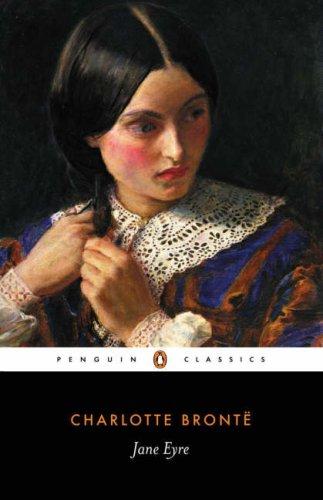
Jane Eyre
by Charlotte Bronte · 1847
A poor, plain orphan narrates her own life on her own terms -- and refuses every deal that would cost her her self-respect.
Worth reading? Jane Eyre earns its 175-plus years in print because Jane herself is the point, not the romance around her. She narrates her own poverty, her own plainness, and her own moral choices without asking the reader for pity, which is rarer in 19th-century fiction than it sounds. It beats Wuthering Heights as a first Bronte novel for most readers because Jane is someone you'd actually want to root for, not just watch.
| Author | Charlotte Bronte |
|---|---|
| Published | 1847 |
| Publisher | Penguin Classics |
| Category | Fiction |
| Favorite quote | “Reader, I married him.” |
The Verdict
The gothic twist gets all the attention, but the reason this book has lasted is Jane’s voice. She’s honest about being poor and plain in a genre that usually rewards its heroines with beauty, and she narrates her own worth instead of waiting for Rochester to confer it on her.
The scene where she walks away from Thornfield rather than become a mistress is still the book’s best moment – not because of the drama, but because it’s the rare 19th-century heroine choosing uncertainty over a compromised deal.
you want a first-person narrator with a genuine spine, in a gothic plot with a mad-woman-in-the-attic twist that still lands
you want a straightforward love story with no detours -- the middle section leaves Rochester's house entirely and the novel takes its time getting back
Book Summary
Jane Eyre is raised as an unwanted dependent, abused at Lowood charity school, and grows into a governess who falls for her employer, Mr. Rochester -- a man with a literal secret locked in his attic. The novel is structured as Jane's own first-person account, and the whole point is that she narrates her own worth instead of waiting for someone else to assign it to her.
The big turn of the novel is Jane's refusal to become Rochester's mistress once she learns he's already married to Bertha Mason, the "madwoman in the attic." She leaves everything -- love, comfort, financial security -- rather than compromise her self-respect, which was a genuinely radical position for a poor woman to take in a novel of this period.
Bronte pairs Jane's moral independence with real gothic machinery: a burning house, a mysterious cry in the night, an inheritance that arrives from nowhere. The gothic plot isn't decoration -- it's what forces Jane's choices to actually cost her something, rather than resolving conveniently.
Top 8 Lessons from Jane Eyre
- Jane's abuse at Gateshead and Lowood shapes her into someone who values self-respect over approval -- she never fully trusts institutions or authority again.
- Jane refuses to become Rochester's mistress once she learns about Bertha, choosing poverty and uncertainty over a compromised position -- the novel treats this as her defining moral act.
- Bertha Mason, locked in the attic, complicates the romance by making Rochester's concealment a real betrayal, not just a plot obstacle.
- St. John Rivers offers Jane a loveless missionary marriage built on duty -- Jane's refusal of him mirrors her refusal of Rochester's mistress-offer, just from the opposite direction.
- Jane's unexpected inheritance from her uncle gives her financial independence before she returns to Rochester -- she comes back as his equal, not his dependent.
- Rochester's blinding and disfigurement in the fire levels the power imbalance between them; Jane returns to a man who now needs her as much as she needs him.
- The novel insists on Jane's plainness repeatedly -- she isn't rewarded with beauty, only with being seen and valued as she actually is.
- Helen Burns, Jane's friend at Lowood, models a quiet, almost saintly endurance that Jane admires but ultimately rejects in favor of her own more assertive temperament.
Top 6 Quotes from Jane Eyre
"Reader, I married him."
Charlotte Bronte, Jane Eyre
"I am no bird; and no net ensnares me: I am a free human being with an independent will."
Charlotte Bronte, Jane Eyre
"Do you think, because I am poor, obscure, plain, and little, I am soulless and heartless? You think wrong!"
Charlotte Bronte, Jane Eyre
"I would always rather be happy than dignified."
Charlotte Bronte, Jane Eyre
"There is no happiness like that of being loved by your fellow-creatures, and feeling that your presence is an addition to their comfort."
Charlotte Bronte, Jane Eyre
"Life appears to me too short to be spent in nursing animosity or registering wrongs."
Charlotte Bronte, Jane Eyre
Frequently Asked Questions
Is Jane Eyre worth reading?
Yes -- Jane's first-person voice and refusal to compromise her self-respect make it feel more modern than most 19th-century fiction, gothic plot twists included.
Is Jane Eyre a romance?
Partly, but the romance is secondary to Jane's own moral independence. The novel cares more about what Jane will and won't accept than about whether she ends up with Rochester.
What is the twist with Mr. Rochester?
He's already married -- to Bertha Mason, who he's kept hidden in the attic. Jane finds out mid-wedding and leaves rather than become his mistress.
Who should read Jane Eyre?
Anyone who wants a gothic novel with a genuinely strong-willed narrator. Skip it if you want a tight, undetoured romance -- the middle section leaves Rochester's house for a long stretch.
Ready to read it?
Get Jane Eyre on Amazon