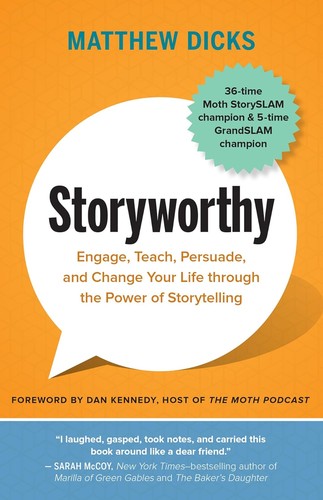
Storyworthy
by Matthew Dicks · 2018
A five-time Moth GrandSLAM champion's specific, teachable system for finding and telling the personal stories most speakers don't realize they already have.
Worth reading? Dicks has won the Moth's GrandSLAM storytelling championship five times, and Storyworthy is built around the specific technique he credits for that consistency: 'Homework for Life,' a daily practice of noting one moment from each day worth telling later. Most storytelling advice tells you how to structure a story you already have; Dicks solves the earlier, harder problem most people actually get stuck on, which is not believing they have any interesting stories at all.
| Full Title | Storyworthy: Engage, Teach, Persuade, and Change Your Life through the Power of Storytelling |
|---|---|
| Author | Matthew Dicks |
| Published | 2018 |
| Category | Business & Money |
| Favorite quote | “Storyworthy moments are happening around us all the time, but most of us aren't paying attention.” |
The Verdict
Dicks’ five Moth GrandSLAM wins aren’t a fluke of natural talent, according to his own account – they’re the direct output of a boring, repeatable daily habit almost anyone could adopt. Homework for Life is the rare piece of creative advice that’s both simple to start tonight and genuinely compounds over months.
you want to get better at weaving personal stories into talks, pitches, or everyday conversation, with a concrete method for finding material
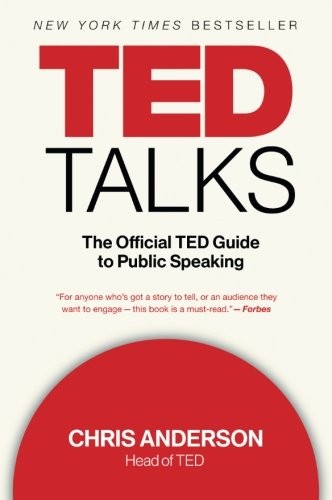
you want structural advice for a formal presentation deck. Storyworthy is about narrative craft and finding stories, not slide design or talk architecture like TED Talks covers
Book Summary
Everyone has storyworthy moments happening constantly, but most people don't notice them in the moment or remember them later because nothing marks them as significant -- Dicks' "Homework for Life" practice (spending five minutes each night identifying the most story-worthy moment of that day) trains you to notice these moments as they happen and builds a growing bank of material over months and years.
He also argues the best personal stories aren't about dramatic, unusual events -- they're about small, specific moments of change, where the narrator's understanding of something shifted, even slightly. A story about realizing something small in a mundane moment, told with specific detail, usually lands harder than a story about an objectively bigger but more generic event.
Top 7 Lessons from Storyworthy
- Practice 'Homework for Life' -- spend five minutes nightly identifying that day's most storyworthy moment to build a growing material bank.
- The best stories are about a moment of small, specific change in understanding, not necessarily dramatic external events.
- Specific, concrete sensory detail makes a story land harder than a generic but objectively bigger event.
- Most people have storyworthy material constantly happening -- the skill is noticing and recording it, not manufacturing drama.
- Structure a story around a single, clear moment of change rather than a chronological account of everything that happened.
- Practice telling stories aloud repeatedly; the version that lands well is refined through actual delivery, not just writing.
- Personal stories build connection and persuasion in business and everyday contexts, not just on a storytelling stage.
Top 2 Quotes from Storyworthy
"Storyworthy moments are happening around us all the time, but most of us aren't paying attention."
Matthew Dicks, Storyworthy
"A good story is not about what happens. It's about how what happens changes you."
Matthew Dicks, Storyworthy
Frequently Asked Questions
Is Storyworthy worth reading?
Yes, especially if you want a concrete method for finding personal stories to use in talks, pitches, or conversation. The Homework for Life practice solves the common problem of not realizing you have any good stories to tell.
What is Homework for Life?
Matthew Dicks' daily practice of spending five minutes each night identifying the most storyworthy moment from that day, building a growing bank of material over time rather than scrambling for stories when you need one.
Is Storyworthy only for stage storytelling?
No -- while Dicks draws on his competitive storytelling background, the techniques apply to business presentations, sales pitches, and everyday conversation, not only formal storytelling performance.
How is this different from TED Talks by Chris Anderson?
TED Talks focuses on structuring a single polished idea-driven presentation. Storyworthy focuses specifically on finding and crafting personal narrative material, a skill that feeds into many kinds of talks, not just TED-style ones.
Ready to read it?
Get Storyworthy on Amazon