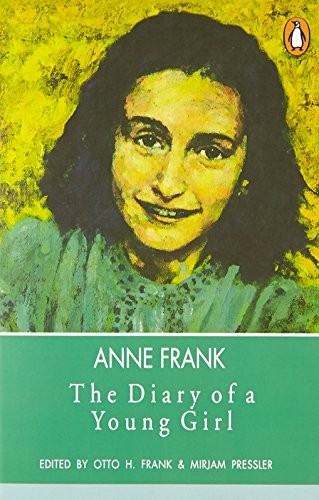
The Diary of a Young Girl
by Anne Frank · 1947
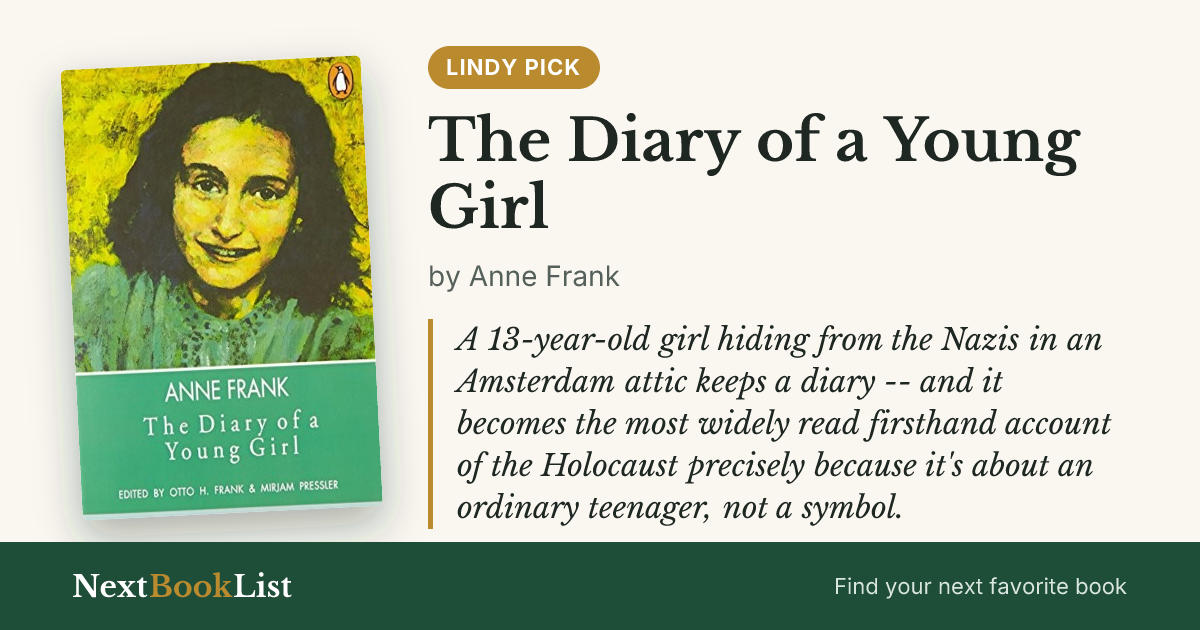
A 13-year-old girl hiding from the Nazis in an Amsterdam attic keeps a diary -- and it becomes the most widely read firsthand account of the Holocaust precisely because it's about an ordinary teenager, not a symbol.
Worth reading? The Diary of a Young Girl remains the most-read personal account of the Holocaust because Anne Frank is never writing for history -- she's writing for herself, which is exactly why it still reads as urgent and specific instead of abstract. Pair it with a broader Holocaust history if you want context; read this first for the human scale.
| Full Title | The Diary of a Young Girl: The Definitive Edition |
|---|---|
| Author | Anne Frank |
| Published | 1947 |
| Publisher | Bantam |
| Category | Biographies & Memoirs |
| Favorite quote | “In spite of everything, I still believe that people are really good at heart.” |
The Verdict
What stays with you isn’t the ending, which the diary itself doesn’t narrate – it’s how alive and specific Anne’s voice remains right up until the entries stop, which makes the historical fact of what happened next land harder than any epilogue could.
you want the most human, immediate entry point into understanding the Holocaust -- through the daily, specific, sometimes funny voice of a real teenage girl, not a history textbook
you're looking for a full historical account of the Holocaust -- this is one specific, personal experience of hiding, not a comprehensive history, and it ends abruptly, without narration of what came after
Book Summary
Anne Frank's diary works precisely because she doesn't write like a future symbol -- she writes like a real 13-to-15-year-old, complaining about her mother, developing a crush, worrying about her writing career, all while literally hiding from genocide a few rooms away. That ordinariness is what makes the horror land.
The diary captures how confinement intensifies both the small (petty arguments among eight people sharing an attic) and the large (constant fear of discovery, awareness of what's happening to Jews outside). Anne doesn't separate these registers -- they exist on the same page.
Anne's own growing self-awareness and literary ambition over the two years of the diary is itself a quiet act of defiance -- she's actively becoming a writer and a more complex person even as the world outside is trying to erase her entirely.
Top 7 Lessons from The Diary of a Young Girl
- Ordinary daily concerns and existential terror can coexist in the same life without canceling each other out.
- A firsthand, personal account can make historical atrocity comprehensible in ways statistics and summaries cannot.
- Confinement with the same small group of people intensifies both petty conflict and genuine intimacy.
- Adolescent self-discovery (identity, ambition, first love) doesn't pause just because the surrounding circumstances are extreme.
- Hope and fear are shown coexisting in the same person, often in the same diary entry.
- Writing itself can function as an act of self-preservation and quiet defiance under conditions designed to erase a person's individuality.
- The specific, individual voice of one victim can carry more historical weight for readers than an abstract account of millions.
Top 4 Quotes from The Diary of a Young Girl
"In spite of everything, I still believe that people are really good at heart."
Anne Frank, The Diary of a Young Girl
"I don't think of all the misery, but of the beauty that still remains."
Anne Frank, The Diary of a Young Girl
"How wonderful it is that nobody need wait a single moment before starting to improve the world."
Anne Frank, The Diary of a Young Girl
"Whoever is happy will make others happy too."
Anne Frank, The Diary of a Young Girl
Frequently Asked Questions
Is The Diary of a Young Girl worth reading?
Yes -- it's the most widely read personal account of the Holocaust, and its power comes from how ordinary and specific Anne's voice is.
Is The Diary of a Young Girl hard to read?
Emotionally, yes, especially knowing the outcome, but the prose itself is accessible and was written by a teenager for herself, not a formal audience.
What is the main theme of The Diary of a Young Girl?
That ordinary life, identity, and hope persist even under conditions of extreme fear and confinement, and that one individual voice can make historical atrocity comprehensible.
Who should read The Diary of a Young Girl?
Anyone looking for the most immediate, human entry point into understanding the Holocaust, alongside a broader historical account for context.
Ready to read it?
Get The Diary of a Young Girl on Amazon