The Innovator's Dilemma
by Clayton M. Christensen · 1997
The best-run companies fail for doing exactly the right things, that's the dilemma.
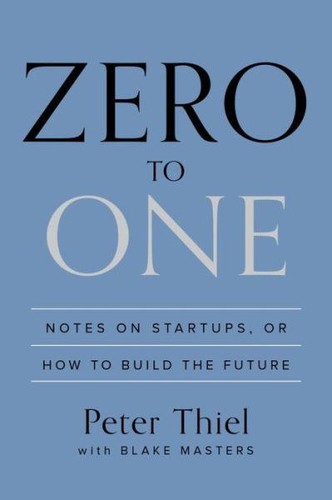
Worth reading? The Innovator's Dilemma is the book that named 'disruption,' and twenty-five years on it's still the sharpest explanation for why great companies implode. Christensen's finding, that listening to your best customers is exactly what kills you when a disruptive technology arrives, is uncomfortable and true. It's denser than Zero to One and less story-driven than The Outsiders, but if you run or fund anything, the 'sustaining vs. disruptive' distinction will change how you read every quarterly report. Read it before any 'disruption' thinkpiece; they're all footnotes to this.
| Full Title | The Innovator's Dilemma: When New Technologies Cause Great Firms to Fail |
|---|---|
| Author | Clayton M. Christensen |
| Published | 1997 |
| Category | Business & Money |
| Favorite quote | “An organization's capabilities are also its disabilities.” |
The Verdict
Christensen was a Harvard professor who started with a simple puzzle: why do capable managers at capable firms lose to upstarts they saw coming? The answer, that their very competence is the trap, is the kind of idea that reorders how you see every industry. It’s a slower read than the startup memoirs, but it ages better than all of them.
founders, operators, and investors who need to understand why incumbents die
you want a light business read; this is a rigorous study with cases and charts
Book Summary
Two kinds of innovation: sustaining (makes good products better for your best customers) and disruptive (starts cheap and weak, then climbs until it eats you). Incumbents win at sustaining and always lose at disruptive, not from bad management, but from good management serving good customers.
The dilemma: the very processes and values that make a company excellent at its core business are the exact things that blind it to disruptive threats. Doing everything right is what causes the failure.
The escape: spin out an independent unit with its own cost structure and customers, fund it to pursue the disruptive path, and let it fail or win on its own terms. You can't disrupt from inside the mothership because the economics won't allow it.
Top 8 Lessons from The Innovator's Dilemma
- Disruptive tech starts weak and cheap, then climbs until it eats the incumbent.
- Listening only to your best customers is how leaders miss the threat.
- An organization's capabilities are also its disabilities.
- Sustaining innovation keeps you alive; it can't save you from disruption.
- Spin out an independent unit to chase the disruptive path.
- Markets that don't exist can't be researched, so plan to learn, not bet.
- Resource allocation follows your most profitable customers; that's the trap.
- Disruption is a business-model event, not a technology event.
Top 4 Quotes from The Innovator's Dilemma
"An organization's capabilities are also its disabilities."
Clayton M. Christensen, The Innovator's Dilemma
"The logical, competent decisions of management that are critical to the success of their companies are also the reasons they lose their positions of leadership."
Clayton M. Christensen, The Innovator's Dilemma
"Disruptive technologies... are typically cheaper, simpler, smaller, and more convenient to use than the products they displace."
Clayton M. Christensen, The Innovator's Dilemma
"The innovator's dilemma: doing the right things, as defined by your best customers, leads to failure."
Clayton M. Christensen, The Innovator's Dilemma
Frequently Asked Questions
Is The Innovator's Dilemma worth reading?
Yes, if you run, fund, or study companies. It's the source text for 'disruption,' and the core finding, that good management is what kills incumbents, is still the best frame for why great firms die. Skip it only if you want a light read; this is a rigorous case study.
What is the main idea of The Innovator's Dilemma?
Successful companies fail not from bad decisions but from rationally serving their best customers. Disruptive technologies start inferior and cheap, then improve until they overtake the leader, and the leader's own strengths (listening to customers, improving margins) blind it to the threat.
Is The Innovator's Dilemma still relevant?
More than ever. Christensen wrote it in 1997 about disk drives and excavators; the same pattern has since played out in phones, retail, and media. The book is required reading precisely because the lesson keeps not being learned.
Should I read this or Zero to One?
Read both. Thiel tells you how to build something new; Christensen tells you why the giant you're attacking will likely miss you until it's too late. Zero to One is the attacker's playbook, Innovator's Dilemma is the defender's warning.
Ready to read it?
Get The Innovator's Dilemma on Amazon