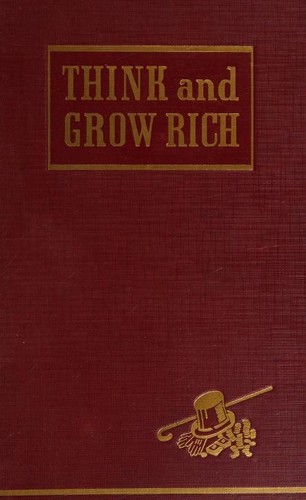
Think and Grow Rich
by Napoleon Hill · 1937
Napoleon Hill's take on business, the honest verdict is below.
Worth reading? Hill's 1937 classic: desire plus obsession plus a plan beats talent every time. Read it once for the historical bedrock of self-help. Skip it if you already own a modern productivity book, the substance is thinner than its legend, and the 'secret' is just stubborn want.
| Author | Napoleon Hill |
|---|---|
| Published | 1937 |
| Category | Business & Money |
| Favorite quote | “Whatever the mind can conceive and believe, it can achieve.” |
The Verdict
Hill’s 1937 classic: desire plus obsession plus a plan beats talent every time. Read it once for the historical bedrock of self-help. Skip it if you already own a modern productivity book, the substance is thinner than its legend, and the ‘secret’ is just stubborn want.
anyone weighing whether Think and Grow Rich belongs on their business and money shelf
you want a different angle than Napoleon Hill's
Top 8 Lessons from Think and Grow Rich
- A burning desire, stated and revisited daily, beats vague wishing.
- Write down a definite goal, a plan, and a date, then act.
- Persistence outlasts talent; quitters hand the win to someone else.
- Your mastermind group, allies with shared aims, multiplies your reach.
- Faith in your aim rewires how you notice and chase opportunity.
- Specialized knowledge beats general education when paired with a goal.
- Decisiveness and self-discipline separate the rich from the wishers.
- Fear, especially of what others think, is the main thing holding you back.
Top 5 Quotes from Think and Grow Rich
"Whatever the mind can conceive and believe, it can achieve."
Napoleon Hill, Think and Grow Rich
"Do not wait; the time will never be 'just right.' Start where you stand, and work with whatever tools you may have at your command, and better tools will be found as you go along."
Napoleon Hill, Think and Grow Rich
"Action is the real measure of intelligence."
Napoleon Hill, Think and Grow Rich
"Riches begin in the form of thought!"
Napoleon Hill, Think and Grow Rich
"Strength and growth come only through continuous effort and struggle."
Napoleon Hill, Think and Grow Rich
Frequently Asked Questions
Is Think and Grow Rich worth reading?
Once, as the source of nearly every modern success book. Don't expect fresh tactics.
What is the main idea of Think and Grow Rich?
Obsessive, planned desire, backed by persistence and a mastermind, is what creates wealth.
Who should read Think and Grow Rich?
Fans of classic self-help and anyone curious where the genre's cliches came from.
Is Think and Grow Rich still relevant?
The mindset holds; the examples are Depression-era. Take the philosophy, update the method.
Ready to read it?
Get Think and Grow Rich on Amazon