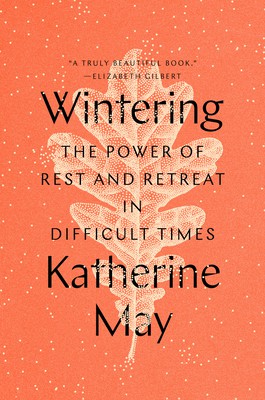
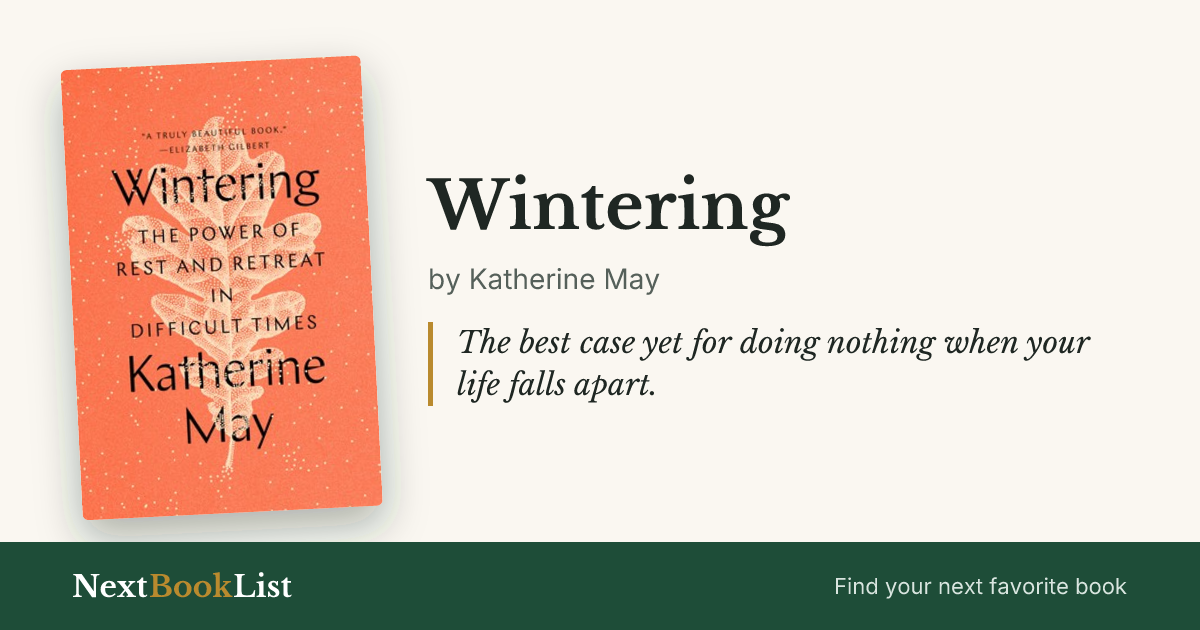
Wintering
by Katherine May · 2020
The best case yet for doing nothing when your life falls apart.
Worth reading? Wintering isn't a self-help book with steps, it's permission. May's case, that withdrawal is sometimes the healthy response to hardship, not a failure of resilience, is the antidote to hustle-through-it culture. Read it during a bad season, not before one. Skip it if you came for tactics; the whole point is that some seasons don't have a fix, just a way through.
| Full Title | Wintering: The Power of Rest and Retreat in Difficult Times |
|---|---|
| Author | Katherine May |
| Published | 2020 |
| Publisher | Riverhead Books |
| Category | Self-Improvement & Psychology |
| Favorite quote | “Winter is not the death of the life cycle, but its crucible.” |
The Verdict
May got sick, lost a job, and watched her marriage nearly collapse, all in the same stretch, and instead of writing a comeback story she wrote about what it actually feels like to be in the middle of it. That’s the value here: most books about hardship are written from the other side, once the author’s fixed. This one sits in the cold with you.
The nature writing does real work. Hibernation isn’t laziness, it’s strategy, and May uses that comparison honestly instead of as a cute metaphor. If you’ve ever felt guilty for needing to cancel plans, sleep more, or just stop performing “fine” for a while, this gives you the vocabulary for it.
It won’t tell you how to fix your circumstances, because that’s not the point. Read it while you’re in a hard season, not as prevention beforehand, and skip it if you’re looking for a plan rather than company.
you're in a rough patch (illness, burnout, grief, a plain bad year) and tired of pretending you're fine
you want a step-by-step system -- this is a memoir-essay about surrender, not a framework
Book Summary
Life has seasons the way the calendar does. Winters, periods of illness, loss, burnout, or plain bad luck, aren't a detour from a "normal" life, they're a normal part of every life. Treating them as an emergency to be fixed fast just adds shame to the difficulty.
Nature doesn't fight winter. Animals that hibernate, trees that drop their leaves, aren't failing, they're adapting: pulling resources inward, going quiet, conserving what they have. May argues humans need the same permission to withdraw instead of performing wellness they don't feel.
Winter has its own kind of usefulness. Rest, slowness, and retreat aren't wasted time, they're where reflection and repair actually happen. The people who "winter well" aren't the ones who avoid hard seasons, they're the ones who stop treating them as an interruption to real life.
Top 8 Lessons from Wintering
- A hard season isn't proof something's wrong with you -- it's a normal, recurring part of any life.
- Fighting winter (forcing productivity through illness or grief) usually makes it worse, not shorter.
- Rest is not the reward for finishing; sometimes it's the actual work of getting through.
- Withdrawing from social obligations during a hard time is a legitimate strategy, not a character flaw.
- Tell the truth about how you're doing instead of performing that you're fine -- it's what lets people actually help.
- Notice your own patterns -- many people have a recurring 'wintering' trigger, a season, an anniversary, a type of stress.
- Community still matters in winter -- isolation and hibernation aren't the same thing.
- A winter ends. Building your identity entirely around the bad season makes it harder to leave when it's over.
Top 3 Quotes from Wintering
"Plants and animals don't fight the winter; they don't pretend it's not happening and attempt to carry on living the same lives that they lived in the summer. They prepare. They adapt. They perform extraordinary acts of metamorphosis to get them through."
Katherine May, Wintering
"Wintering is a season in the cold. It is a fallow period in life when you're cut off from the world, feeling rejected, sidelined, blocked from progress, or cast into the role of an outsider."
Katherine May, Wintering
"Once we stop wishing it were summer, winter can be a glorious season in which the world takes on a sparse beauty and even the pavements sparkle."
Katherine May, Wintering
Frequently Asked Questions
Is Wintering worth reading?
Yes, especially if you're in a hard season right now. It's less a how-to and more a permission slip to stop performing wellness you don't feel.
What is the main idea of Wintering?
Hard periods (illness, grief, burnout) are a normal part of life, not a personal failure, and the healthy response is often withdrawal and rest, not forcing yourself through on schedule.
Is Wintering a self-help book?
It's closer to a memoir with essay chapters. There's no step-by-step system -- if you want tactics, this isn't that book.
Who should read Wintering?
Anyone going through illness, grief, burnout, or a rough year who's tired of pretending they're fine. Skip it if you want a productivity framework instead.
Ready to read it?
Get Wintering on Amazon