Lindy List: 7 Science Books That Are Still Right

Updated July 24, 2026 · 7 books

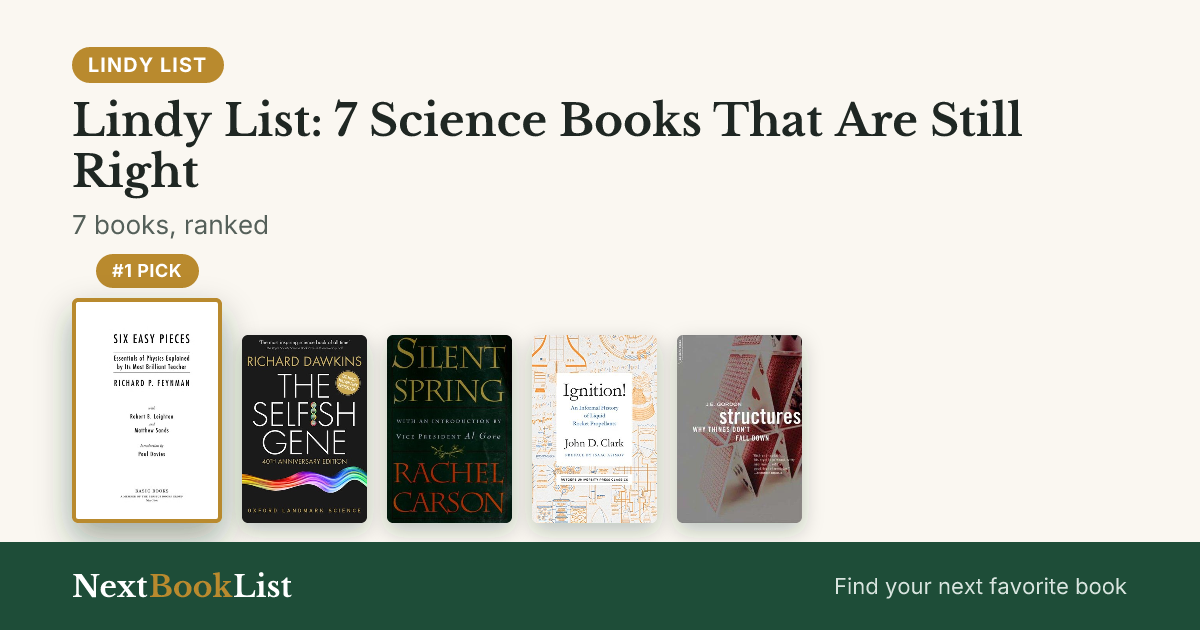
Lindy List: 7 Science Books That Are Still Right: ranked list of 7 books

Popular science ages faster than almost any nonfiction genre, because the data keeps moving. These seven kept their footing anyway.

Start with Six Easy Pieces if physics intimidates you. It’s Feynman at his most patient, teaching real physics without hiding behind math you don’t have. From there: The Selfish Gene reframes evolution at the gene level, Silent Spring is the book that built modern environmentalism, and Structures explains the physical world (bridges, bones, trees) with one elegant idea.

The genre warning: “science book” doesn’t mean the science is settled. Some of these argue one strong thesis (The Selfish Gene, The Rational Optimist) that specialists still debate. Read them for the framework and the writing, and cross-check any claim you’re going to repeat as fact.

Quick Comparison

#BookBest for
1Six Easy PiecesRichard Feynmanreaders who want real physics intuition without needing a physics degree firstAmazon
2The Selfish GeneRichard Dawkinsyou want the book that popularized gene-centered evolution and coined the word 'meme' -- nearly 50 years old and still the standard popular introduction to how natural selection actually works at the genetic levelAmazon
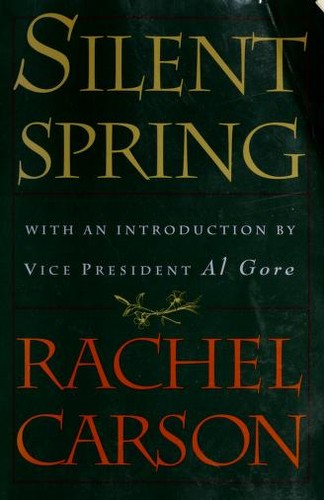
3Silent SpringRachel Carsonyou want the book credited with launching the modern environmental movement and getting DDT banned in the U.S. -- still readable, still relevant, six decades laterAmazon
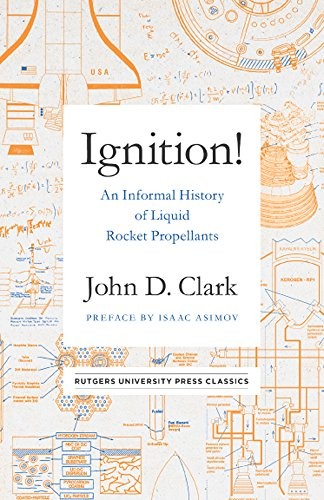
4Ignition!John D. Clarkreaders who want a firsthand, unfiltered account of the trial-and-error danger behind rocket scienceAmazon
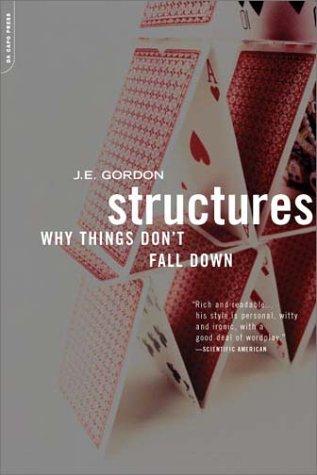
5StructuresJ.E. Gordonreaders who want a genuinely accessible introduction to structural engineering and materials scienceAmazon
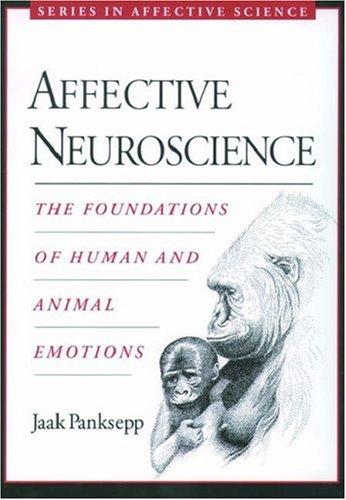
6Affective NeuroscienceJaak Pankseppreaders who want the rigorous neuroscience foundation under pop-psychology claims about emotionAmazon
7The Rational OptimistMatt Ridleyreaders who want a rigorously argued, evidence-heavy case for optimism about human progressAmazon

The Books

Six Easy Pieces by Richard Feynman book cover

1. Six Easy Pieces

Richard Feynman · 1994

The most accessible six chapters pulled from Feynman's legendary Caltech lectures, physics explained by the physicist most famous for making it make sense.

Feynman didn’t just know physics, he knew how to make you actually see it, and this collection keeps that gift intact without requiring the full weight of his complete lecture series. It’s the physics book people actually finish.

Read it if: readers who want real physics intuition without needing a physics degree first

Skip it if: you want the full Feynman Lectures on Physics, this is a curated, easier subset
Full verdict: Six Easy Pieces →

The Selfish Gene by Richard Dawkins book cover

2. The Selfish Gene

Richard Dawkins · 1976

Richard Dawkins reframes evolution around the gene, not the individual or the species -- and argues you're best understood as a survival machine your genes built to copy themselves.

Dawkins wrote this as a synthesizer of existing research (particularly W.D. Hamilton’s work on kin selection), not as the originator of gene-centered evolution – his real contribution was making a genuinely technical argument readable and durably popular. Nearly 50 years in print with no serious competitor for “best popular introduction to the topic” says the synthesis worked.

Read it if: you want the book that popularized gene-centered evolution and coined the word 'meme' -- nearly 50 years old and still the standard popular introduction to how natural selection actually works at the genetic level

Skip it if: you're looking for a book about individual free will or moral philosophy -- Dawkins is making a narrow, technical argument about the unit of selection in evolutionary biology, and readers sometimes mistake his 'selfish gene' metaphor for a claim about human moral character, which he explicitly says it isn't

Full verdict: The Selfish Gene →

Silent Spring by Rachel Carson book cover

3. Silent Spring

Rachel Carson · 1962

Rachel Carson's case against pesticides didn't just warn about dead birds and poisoned rivers -- it got DDT banned and effectively created the modern environmental movement.

Carson was already a well-known nature writer before this book, and that literary skill is why Silent Spring reads more like narrative nonfiction than a policy paper – part of why it reached a mass audience instead of staying in scientific journals. It’s been in continuous print for over 60 years, which on this site’s Lindy filter alone makes it a foundational pick for the category.

Read it if: you want the book credited with launching the modern environmental movement and getting DDT banned in the U.S. -- still readable, still relevant, six decades later

Skip it if: you want current, up-to-date pesticide science -- this is a 1962 book, and while its core argument (unchecked chemical use has ecological costs) holds up, the specific chemistry and regulatory landscape have moved on substantially since

Full verdict: Silent Spring →

Ignition! by John D. Clark book cover

4. Ignition!

John D. Clark · 1972

A rocket chemist's gleefully candid, occasionally terrifying history of the decades-long, frequently explosive search for propellants that could actually get a rocket off the ground.

This is a cult classic among people who actually build rockets for a reason: Clark doesn’t clean up the story. It’s candid about the explosions, the near-misses, and the genuinely dangerous chemistry that got humanity to reliable propellant, written by someone who lived through the trial and error himself.

Read it if: readers who want a firsthand, unfiltered account of the trial-and-error danger behind rocket science

Skip it if: you want a general-audience space book, this is written by and for people who actually work with propellant chemistry

Full verdict: Ignition! →

Structures by J.E. Gordon book cover

5. Structures

J.E. Gordon · 1978

A structural engineer explains, in plain and often funny English, why bridges stand, why bones don't shatter, and why some materials are strong in ways that have nothing to do with how 'strong' they sound.

This is the rare technical book that a total beginner and a working engineer can both learn from, because Gordon builds real intuition instead of hiding behind equations. If you’ve ever wondered why a bridge doesn’t just fall down, this is the book that actually answers it.

Read it if: readers who want a genuinely accessible introduction to structural engineering and materials science

Skip it if: you already have formal engineering training, this is written for total beginners

Full verdict: Structures →

Affective Neuroscience by Jaak Panksepp book cover

6. Affective Neuroscience

Jaak Panksepp · 1998

The textbook that established emotion as a legitimate neuroscience research subject, mapping the actual brain circuits behind rage, fear, play, and seeking.

This is the primary source, not a summary of it. Panksepp built the actual field of affective neuroscience with this book, and its seven-system framework for basic emotion still underlies a huge amount of later, more accessible psychology writing. Dense, but foundational.

Read it if: readers who want the rigorous neuroscience foundation under pop-psychology claims about emotion

Skip it if: you want an accessible pop-science book, this is a graduate-level neuroscience textbook

Full verdict: Affective Neuroscience →

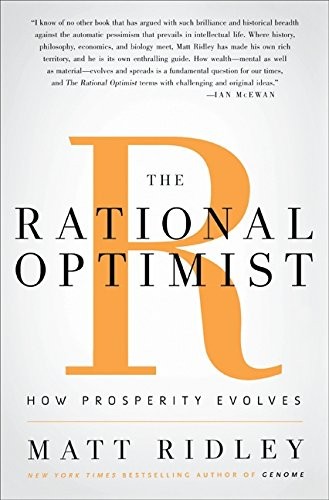
The Rational Optimist by Matt Ridley book cover

7. The Rational Optimist

Matt Ridley · 2010

Ridley's case that trade and idea-exchange, not any single genius or resource, is the actual engine behind every leap in human prosperity, and that pessimism about the future is usually wrong.

Ridley isn’t just cheerleading, he’s building a historical case, brick by brick, for why betting against human ingenuity has been the losing bet for two centuries straight. Naval calls him one of his favorite authors for a reason, and this is the book to start with before working through the rest of Ridley’s catalog.

Read it if: readers who want a rigorously argued, evidence-heavy case for optimism about human progress

Skip it if: you want a balanced weighing of risks, Ridley is explicitly making the optimist's case, not a neutral one

Full verdict: The Rational Optimist →

Frequently Asked Questions

What's the best science book for someone who isn't a science person?

Six Easy Pieces (1994). It's Feynman's own introductory physics lectures, edited down to the parts that need no math background, and it's still the book professors hand to a smart 16-year-old who wants to understand physics.

Is The Selfish Gene outdated now that genetics has moved on?

The gene-level framing of evolution it introduced in 1976 is still the working model in biology. Some of the pop-culture takeaways got oversimplified by others, but the book itself holds up, which is why it's still assigned.

Why is a 1962 book about pesticides still relevant?

Because Silent Spring didn't just report a problem, it created the modern environmental movement and the EPA followed a decade later. Few science books can point to a government agency as their direct result.

Is Ignition just for chemists?

No. It's the true, occasionally horrifying story of rocket fuel research, and it's one of the funniest books ever written about people repeatedly nearly killing themselves in the name of propulsion chemistry. Technical readers get the chemistry; everyone else gets the story.

Why does a book about buildings belong on a science list?

Structures (1978) explains why bridges, bones, and trees don't fall down using the same physics, in plain English. It's the rare engineering book that a non-engineer can read cover to cover and actually understand load and stress afterward.

Keep Reading