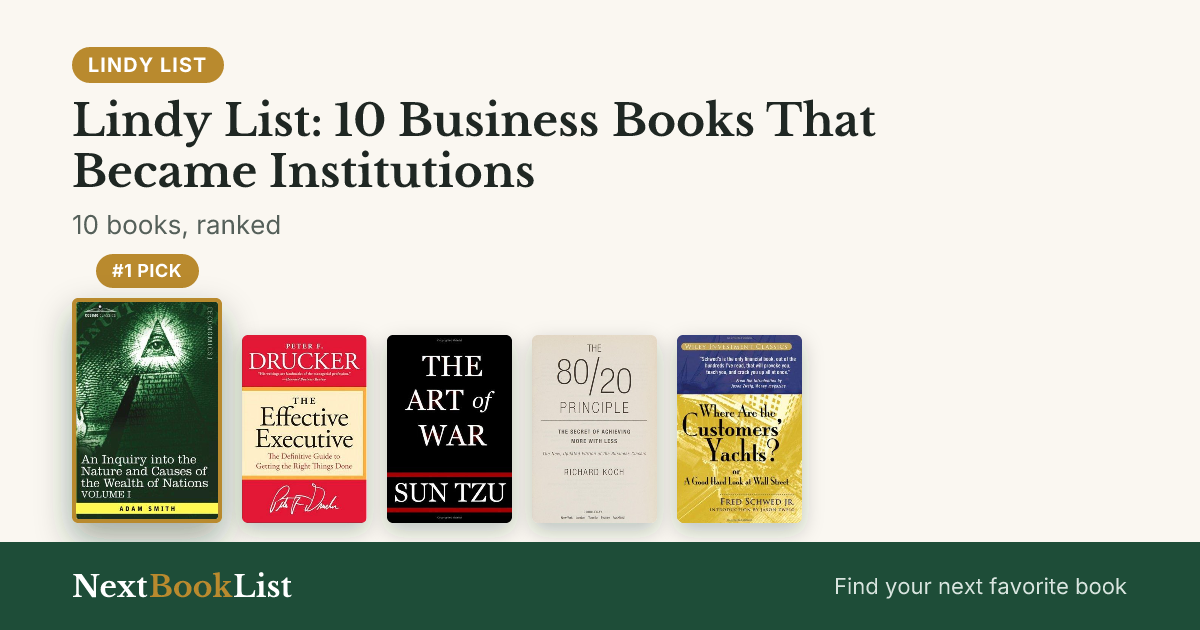
Lindy List: 10 Business Books That Became Institutions

Updated July 10, 2026 · 10 books

Lindy List: 10 Business Books That Became Institutions: ranked list of 10 books

Most business books are dated the moment they’re printed, built around the hot company of the year, which usually goes bankrupt before the paperback. These six are the exceptions. The youngest clears 50 years; the oldest is roughly 2,500.

The Lindy case for each is simple: they’re still taught, still cited, and still used to make real decisions decades after publication. Drucker defined what a manager is. Sun Tzu described competitive strategy before corporations existed. Pareto noticed the 80/20 split in 1896 and it hasn’t stopped showing up since.

Start with The Effective Executive. It’s the root text, short, dense, and free of the case-study fashion that dates most management writing. Everything modern is downstream of it.

The genre warning: business books age in two ways. The frameworks (Drucker, Pareto, Sun Tzu) last; the company examples (the “great” firms of 2001) don’t. Read for the model, ignore the nostalgia, and don’t treat any of these as investment advice.

Quick Comparison

#BookBest for
1The Wealth of NationsAdam SmithRead it if you argue about markets, taxes, or trade and want to know what the people you're arguing with are actually supposed to know.Amazon
2The Effective ExecutivePeter F. Druckermanagers and founders who confuse activity with effectivenessAmazon
3The Art of WarSun Tzuleaders and strategists who want durable principles on competition and positioningAmazon
4The 80/20 PrincipleRichard Kochanyone spread thin who needs to focus on the vital fewAmazon
5Where Are the Customers' Yachts?Fred Schwed Jr.anyone about to pay a financial professional for adviceAmazon
6Business AdventuresJohn Brooksreaders who learn from stories and want business writing that's actually literatureAmazon
7Extraordinary Popular Delusions and the Madness of CrowdsCharles MackayRead it if you invest, follow trends, or want a permanent vaccine against 'this time is different.'Amazon
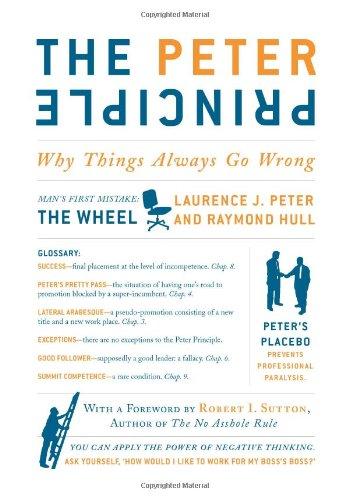
8The Peter PrincipleLaurence J. PeterRead it if you've watched a great engineer become a terrible manager, or suspect your own promotion was a demotion in disguise.Amazon
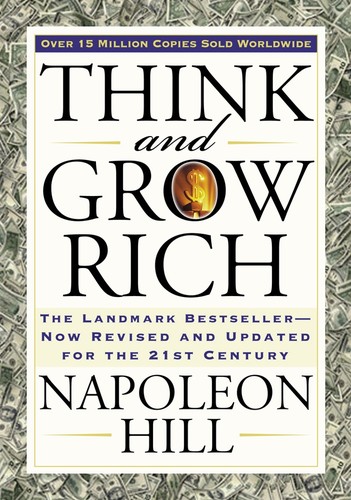
9Think and Grow RichNapoleon Hillreaders who want the source material behind nearly every modern success bookAmazon
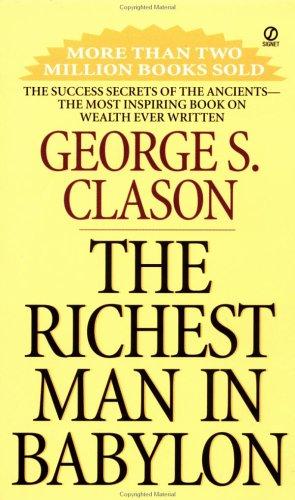
10The Richest Man in BabylonGeorge S. Clasonbeginners who learn better from stories than spreadsheetsAmazon

The Books

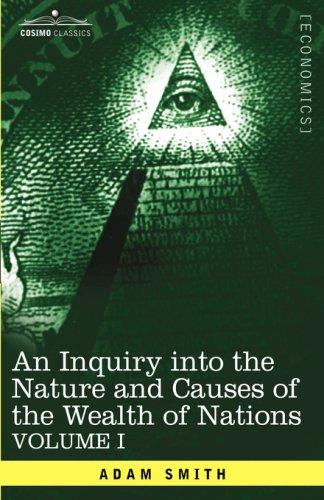
The Wealth of Nations by Adam Smith book cover

1. The Wealth of Nations

Adam Smith · 1776

The 1776 book that invented economics as a discipline and explained, in plain prose, why free exchange makes everyone richer.

Smith’s 1776 inquiry invented economics as a field and is still the book every economist argues with or builds on. Two and a half centuries later, the debate runs on his terms.

Read it if: Read it if you argue about markets, taxes, or trade and want to know what the people you're arguing with are actually supposed to know.

Skip it if: Skip it if you want a quick read. It's 1,000+ pages of 18th-century prose and you'll get 90% of the value from five famous ideas.
Full verdict: The Wealth of Nations →

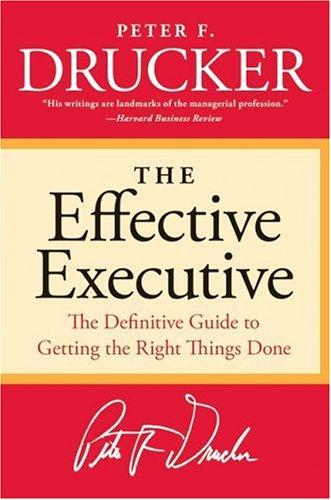
The Effective Executive by Peter F. Drucker book cover

2. The Effective Executive

Peter F. Drucker · 1966

Drucker's timeless rules for getting the right things done as a leader.

The Effective Executive is Drucker’s core: know where your time goes, focus on contribution, build on strengths, make few big decisions. Sixty years old and still the best management book. Skip it only if you’ve memorized it.

Read it if: managers and founders who confuse activity with effectiveness

Skip it if: you already practice time-and-strength management rigorously

Full verdict: The Effective Executive →

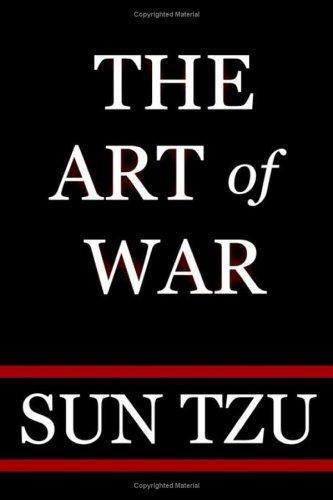
The Art of War by Sun Tzu book cover

3. The Art of War

Sun Tzu · 2000

2,500-year-old military strategy that still out-thinks most modern business books.

Sun Tzu’s Art of War is the original strategy book: know yourself and your enemy, win without fighting, attack where there’s no defense. It’s aphoristic, not a manual, but its principles (speed, deception, position) outlast any fad framework. Skip it only if you already internalize ‘strategy is about choices, not effort.’

Read it if: leaders and strategists who want durable principles on competition and positioning

Skip it if: you want a literal management how-to and dislike metaphor

Full verdict: The Art of War →

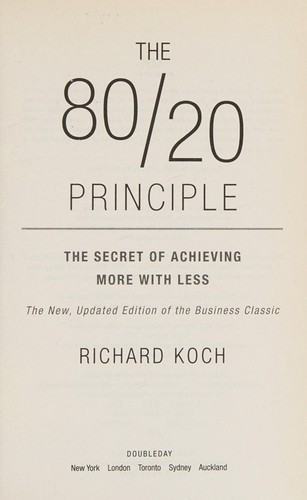
The 80/20 Principle by Richard Koch book cover

4. The 80/20 Principle

Richard Koch · 1998

Koch's case that 20% of effort drives 80% of results, so choose that 20%.

The 80/20 Principle applies Pareto to everything: a tiny fraction of causes yields most results. Koch shows how to exploit it in business and life. Simple idea, big leverage. Skip it if you already live by essentialism.

Read it if: anyone spread thin who needs to focus on the vital few

Skip it if: you already ruthlessly prune to the high-leverage 20%

Full verdict: The 80/20 Principle →

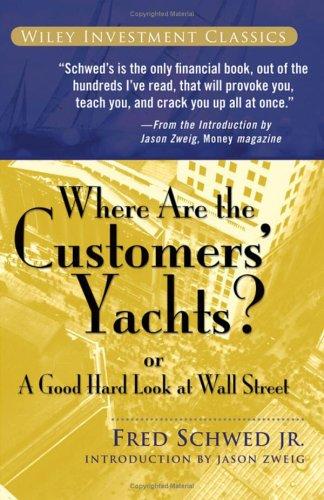
Where Are the Customers' Yachts? by Fred Schwed Jr. book cover

5. Where Are the Customers' Yachts?

Fred Schwed Jr. · 1940

The funniest book ever written about Wall Street, and still the most honest.

The title is the whole thesis: a visitor admires the brokers’ yachts and asks where the customers’ yachts are. There aren’t any. Schwed’s 1940 skewering of financial advice, forecasting, and fee-collecting reads like it was written about last year’s market. Buffett recommends it. Eighty years of being right is hard to argue with.

Read it if: anyone about to pay a financial professional for advice

Skip it if: you want actionable strategy (this is satire with a warning label)

Full verdict: Where Are the Customers' Yachts? →

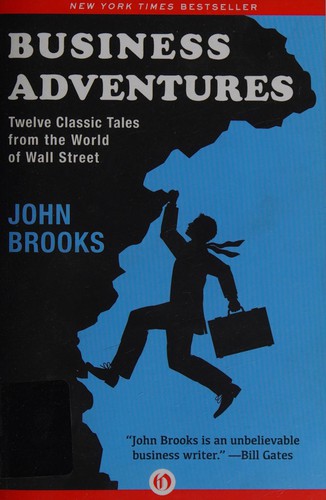
Business Adventures by John Brooks book cover

6. Business Adventures

John Brooks · 1969

Bill Gates asked Buffett for his favorite business book. Buffett mailed him this one.

Twelve New Yorker essays from the 1960s: the Ford Edsel disaster, the three-day stock market crash of 1962, the rise of Xerox. The companies are dated. The human behavior (hubris, panic, herding, denial) is identical to whatever happened in markets last week. That’s why Gates and Buffett still recommend it.

Read it if: readers who learn from stories and want business writing that's actually literature

Skip it if: you need takeaways in bullet points (Brooks makes you earn the lessons)

Full verdict: Business Adventures →

The Peter Principle by Laurence J. Peter book cover

8. The Peter Principle

Laurence J. Peter · 1969

The observation that in any hierarchy, people get promoted until they reach their level of incompetence, and then stay there.

Peter’s 1969 satire, every employee rises to their level of incompetence, became a real theory of why hierarchies quietly fill their top ranks with people who can’t do the top job. Still confirmed in every office on earth.

Read it if: Read it if you've watched a great engineer become a terrible manager, or suspect your own promotion was a demotion in disguise.

Skip it if: Skip it if you want a serious management system. It's a witty satire with a deadly serious core idea.

Full verdict: The Peter Principle →

Think and Grow Rich by Napoleon Hill book cover

9. Think and Grow Rich

Napoleon Hill · 1937

The original success book. Flawed, dated, and still selling a million copies a year.

Hill’s research claims are questionable and the mystical parts haven’t aged well. Read it anyway if you’re curious where the entire self-help genre came from: definiteness of purpose, the mastermind group, and persistence as a system all start here. Treat it as a historical document with useful bones, not gospel.

Read it if: readers who want the source material behind nearly every modern success book

Skip it if: you need evidence-based advice (Hill's claims about his interviews don't hold up)

Full verdict: Think and Grow Rich →

The Richest Man in Babylon by George S. Clason book cover

10. The Richest Man in Babylon

George S. Clason · 1926

Pay yourself first. A century of personal finance advice traces back to this little book of parables.

Every rule in modern personal finance appears here first: save a tenth of what you earn, avoid debt, make your gold work for you, don’t chase schemes. The Babylonian parable format is a gimmick, but it’s the reason people remember the lessons 100 years later. Two hours to read, a lifetime to apply.

Read it if: beginners who learn better from stories than spreadsheets

Skip it if: the faux-ancient "thee and thou" prose annoys you (it wears on some readers fast)

Full verdict: The Richest Man in Babylon →

Frequently Asked Questions

What is the single most enduring business book?

The Effective Executive by Peter Drucker (1966). Every modern management book is either restating Drucker or reacting to him. If you read one business book from before 1990, make it this one.

Why is The Art of War on a business list?

Because generals and CEOs face the same problem: limited information, limited resources, and opponents who are also trying to win. Sun Tzu's lines about knowing yourself and your enemy map cleanly onto competitive strategy, which is why a book written around 2,500 years ago is still taught in business school.

Is The 80/20 Principle recent? Why is it here?

The book is from 1998, but the idea behind it is not. The Pareto principle, that roughly 80% of effects come from 20% of causes, was observed in 1896 and has held across a century of data. The book popularizes an idea that already had a hundred years of evidence behind it, so it clears the Lindy bar.

Why did you cut Built to Last, Good to Great, and The Innovator's Dilemma?

Not because they're bad, but because they're too young and too modern. Good to Great is under 25 years old and some of its 'great' companies later stumbled. The Innovator's Dilemma is the youngest at under 30. They may become Lindy; they haven't yet. This list keeps only books with 50+ years or an ancient idea.

What are the two oldest books here besides Art of War?

Where Are the Customers' Yachts? (1940), a Wall Street satire still funny and still true, and Think and Grow Rich (1937), which has sold continuously for nearly 90 years. Business Adventures (1969) is the youngest at qualifying age, and it's the one Bill Gates and Warren Buffett both call their favorite business book.

Keep Reading