Best Books for Personal Growth: 13 That Compound Over Years

Updated July 19, 2026 · 13 books

Best Books for Personal Growth: 13 That Compound Over Years: ranked list of 13 books

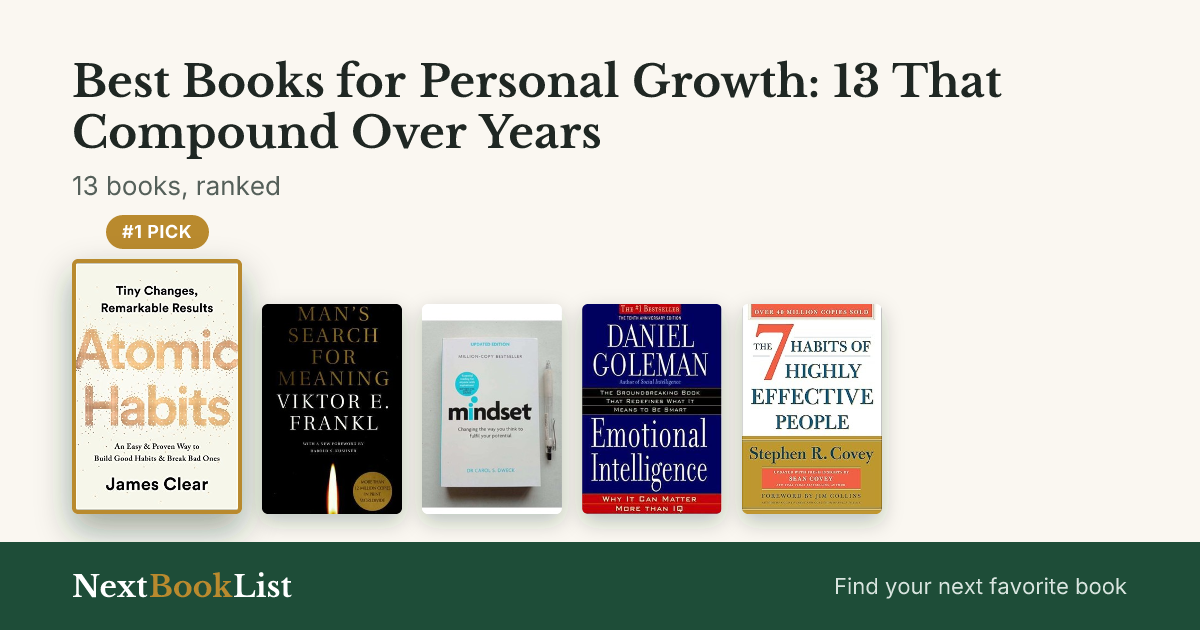
The best personal growth book is Atomic Habits, because growth dies in execution, not intention. Clear gives you the system that survives a bad week. One small habit built and kept beats a year of half-read improvement books.

The interesting layer is what comes after the system. Man’s Search for Meaning and The Courage to Be Disliked take you from “how do I improve” to “what is this for, and am I living someone else’s story.” Seven Habits, Mindset, and Emotional Intelligence supply the character and belief frame underneath the habits. Goleman’s case that self-awareness and empathy outpredict raw talent is the piece most growth-book readers skip. Essentialism and The ONE Thing keep you aiming at one thing instead of everything.

Close with Four Thousand Weeks and Flow. One protects you from turning growth into a treadmill; the other shows how to make the work itself rewarding so you don’t need a finish line to feel good.

One warning: the personal-growth shelf is where self-improvement becomes a hobby that replaces living. Read one, apply it for a season, then go be a person for a while.

Quick Comparison

#BookBest for
1Atomic HabitsJames Clearanyone who wants a practical system for building habits, not just motivationAmazon
2Man's Search for MeaningViktor E. Franklanyone facing suffering they can't change, which is eventually everyoneAmazon
3MindsetCarol S. Dweckparents, teachers, and anyone who quit something because they "weren't talented"Amazon
4Emotional IntelligenceDaniel Golemanleaders and anyone whose relationships (work or home) need an upgradeAmazon
5The 7 Habits of Highly Effective PeopleStephen R. Coveyanyone who wants principles that work at home and at work, not just productivity hacksAmazon
6EssentialismGreg McKeownovercommitted people who say yes by default and pay for itAmazon
7The Courage to Be DislikedIchiro Kishimi & Fumitake Kogaanyone stuck blaming history, seeking approval, or carrying other people's problemsAmazon
8Four Thousand WeeksOliver Burkemanproductivity addicts who clear their inbox and still feel behindAmazon
9The ONE ThingGary Keller & Jay Papasanpeople juggling ten priorities who secretly know only one mattersAmazon
10FlowMihaly Csikszentmihalyianyone who's felt time disappear during hard work and wants more of thatAmazon
11Clear ThinkingShane Parrishknowledge workers, founders, and anyone whose day is a chain of small decisions that quietly compound into a lifeAmazon
12The Wealth Money Can't BuyRobin Sharmaachievers who've chased external success and suspect the scoreboard was the wrong one, and readers who like Sharma's motivational cadenceAmazon
13The Defining DecadeMeg Jaytwentysomethings tired of being told to 'enjoy it while you can,' and parents or mentors who want to give better adviceAmazon

The Books

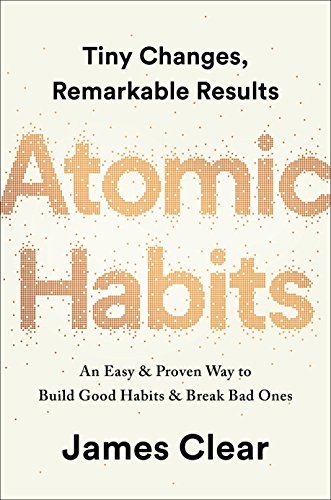
Atomic Habits by James Clear book cover

1. Atomic Habits

James Clear · 2018

The habit book that made every other habit book optional.

Clear took decades of behavior research and compressed it into one usable system: make it obvious, attractive, easy, and satisfying. The 1% better framing sounds like a slogan until you use it for a month and notice it working. Most habit books restate this one with worse examples. Start here.

Read it if: anyone who wants a practical system for building habits, not just motivation

Skip it if: you've already read it and implemented the four laws (rereading won't add much)
Full verdict: Atomic Habits →

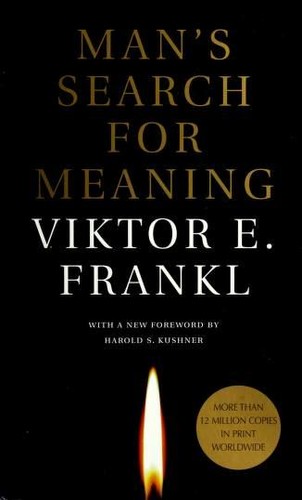
Man's Search for Meaning by Viktor E. Frankl book cover

2. Man's Search for Meaning

Viktor E. Frankl · 1946

A psychiatrist survives the camps and emerges with one claim: meaning, not happiness, keeps people alive.

Half memoir of Auschwitz, half introduction to logotherapy. Frankl’s observation (those who had a why survived the how) has carried this book through nearly eighty years and dozens of languages. Between stimulus and response there is a space, and in that space is your freedom. Short enough to read in two sittings. Stays with you for decades.

Read it if: anyone facing suffering they can't change, which is eventually everyone

Skip it if: nobody. If one book on this site is unskippable, it's this one.

Full verdict: Man's Search for Meaning →

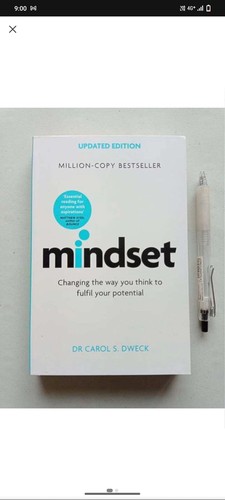
Mindset by Carol S. Dweck book cover

3. Mindset

Carol S. Dweck · 2006

Fixed versus growth mindset. One idea, decades of research, and it holds up.

Dweck’s research finding is simple: people who believe ability is fixed avoid challenges, and people who believe ability grows through effort seek them. The book could be a long article, and later chapters repeat the thesis in new settings. But the idea itself earns its place. It changes how you praise kids, take feedback, and pick challenges.

Read it if: parents, teachers, and anyone who quit something because they "weren't talented"

Skip it if: you've absorbed the growth mindset idea from culture already (the book is one idea, stretched)

Full verdict: Mindset →

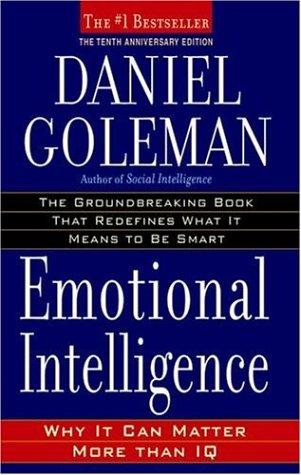
Emotional Intelligence by Daniel Goleman book cover

4. Emotional Intelligence

Daniel Goleman · 1995

The book that proved IQ isn't destiny, self-awareness and empathy run the show.

Goleman’s Emotional Intelligence made ‘EQ’ a household term: self-awareness, self-regulation, empathy outpredict IQ for life outcomes. A touch pop-psych, but the framework is sound and actionable. Skip it if you already manage your emotions deliberately.

Read it if: leaders and anyone whose relationships (work or home) need an upgrade

Skip it if: you want a clinical manual; this is popular science

Full verdict: Emotional Intelligence →

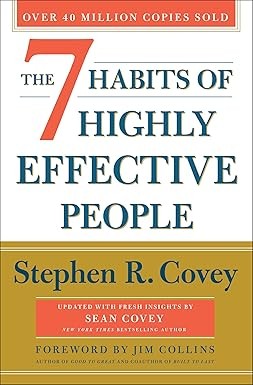
The 7 Habits of Highly Effective People by Stephen R. Covey book cover

5. The 7 Habits of Highly Effective People

Stephen R. Covey · 1989

Thirty-five years old and still the most complete personal effectiveness system in print.

Begin with the end in mind. Seek first to understand. The habits sound like posters now because Covey wrote them first and everyone copied. Underneath the familiar phrases is a real system built on character rather than technique, which is why it outlasted every productivity fad since 1989.

Read it if: anyone who wants principles that work at home and at work, not just productivity hacks

Skip it if: corporate-workshop language makes you break out in hives (Covey invented some of it)

Full verdict: The 7 Habits of Highly Effective People →

Essentialism by Greg McKeown book cover

6. Essentialism

Greg McKeown · 2014

Do less, but better. The disciplined pursuit of the vital few over the trivial many.

McKeown’s rule: if it isn’t a clear yes, it’s a clear no. The book teaches trade-off thinking, graceful ways to decline, and how to cut good options to protect great ones. It repeats itself (ironic, for a book about less), but the core discipline sticks. Pairs naturally with Deep Work: this decides what matters, that protects the time for it.

Read it if: overcommitted people who say yes by default and pay for it

Skip it if: your problem is starting things, not stopping them

Full verdict: Essentialism →

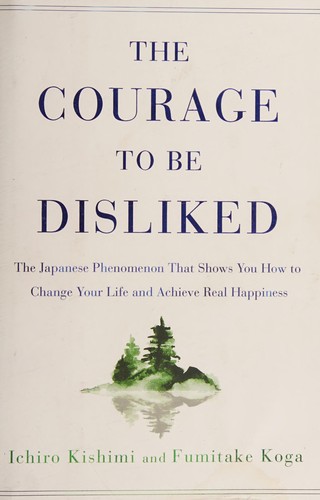
The Courage to Be Disliked by Ichiro Kishimi & Fumitake Koga book cover

7. The Courage to Be Disliked

Ichiro Kishimi & Fumitake Koga · 2013

Your past doesn't determine your present. Adlerian psychology in a Socratic dialogue.

A Japanese phenomenon built on Alfred Adler’s psychology: trauma doesn’t cause your behavior, your goals do; all problems are interpersonal problems; and separating your tasks from other people’s tasks dissolves most anxiety. Some claims overreach. But “discard other people’s tasks” alone is worth the read.

Read it if: anyone stuck blaming history, seeking approval, or carrying other people's problems

Skip it if: the philosopher-and-youth dialogue format feels artificial to you (it is, deliberately)

Full verdict: The Courage to Be Disliked →

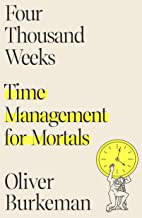
Four Thousand Weeks by Oliver Burkeman book cover

8. Four Thousand Weeks

Oliver Burkeman · 2021

You get about four thousand weeks. The anti-productivity book that ends the optimization arms race.

Burkeman spent years writing productivity columns before concluding the premise is broken: you will never do it all, and systems promising otherwise deepen the anxiety. Accepting finitude (choosing what to neglect, on purpose) is the actual skill. The rare self-help book that reduces what you demand of yourself and improves what you do.

Read it if: productivity addicts who clear their inbox and still feel behind

Skip it if: you want tactics (this book argues tactics are part of your problem)

Full verdict: Four Thousand Weeks →

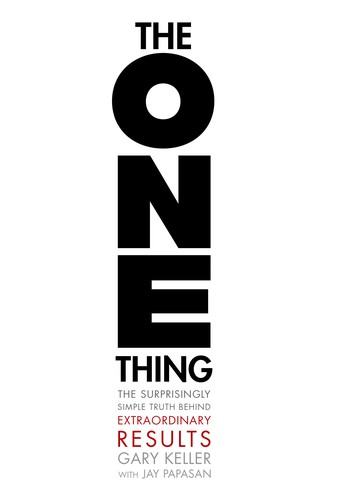
The ONE Thing by Gary Keller & Jay Papasan book cover

9. The ONE Thing

Gary Keller & Jay Papasan · 2013

What's the one thing you can do such that everything else becomes easier or unnecessary?

The focusing question in the title is genuinely useful, and the domino framing (line up small wins that knock over bigger ones) makes prioritization concrete. Keller built the largest real estate company in the world on this operating system. The book stretches one insight, but it’s the right insight.

Read it if: people juggling ten priorities who secretly know only one matters

Skip it if: you already time-block your most important task daily (that's the whole book)

Full verdict: The ONE Thing →

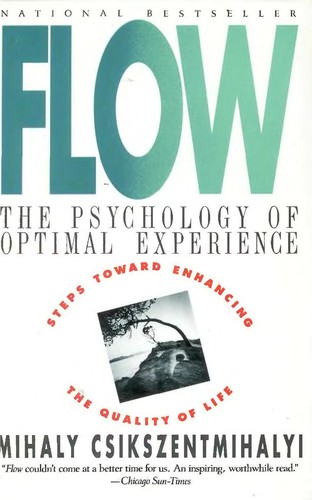
Flow by Mihaly Csikszentmihalyi book cover

10. Flow

Mihaly Csikszentmihalyi · 1990

The psychology of optimal experience. Where the science of being lost in your work began.

Csikszentmihalyi spent decades studying when people report being happiest: not relaxing, but absorbed in challenges that stretch their skills with clear goals and immediate feedback. Every book about focus, deep work, and engagement built on this foundation. Academic in tone, permanent in influence.

Read it if: anyone who's felt time disappear during hard work and wants more of that

Skip it if: you want implementation steps (Deep Work operationalizes what this book theorizes)

Full verdict: Flow →

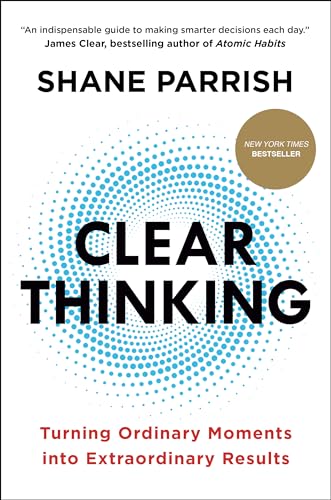
Clear Thinking by Shane Parrish book cover

11. Clear Thinking

Shane Parrish · 2023

Parrish's case that extraordinary results come from protecting your judgment in ordinary moments, before your emotions and ego take the wheel.

Clear Thinking reframes the whole self-improvement genre around one underrated idea: the moment that decides your outcome isn’t the big one, it’s the small, ordinary one right before it, when your default state is still in charge. Parrish’s four threats are the useful core, and his environmental fix beats any willpower pep talk.

Read it if: knowledge workers, founders, and anyone whose day is a chain of small decisions that quietly compound into a life

Skip it if: you want a bias catalog, this is about building systems and environments that keep you clear, not naming every cognitive glitch

Full verdict: Clear Thinking →

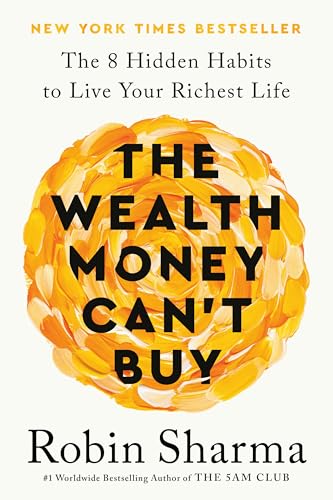
The Wealth Money Can't Buy by Robin Sharma book cover

12. The Wealth Money Can't Buy

Robin Sharma · 2025

Sharma's argument that the richest life runs on eight habits money can't purchase, from solitude to family to useful work.

The Wealth Money Can’t Buy is Sharma packaging the old idea, that real wealth is health, love, and meaning, not a balance, into eight memorable habits. The ideas aren’t new, but the delivery is warm and the structure makes them stick. Skip it if you need research; the value is motivation, not revelation.

Read it if: achievers who've chased external success and suspect the scoreboard was the wrong one, and readers who like Sharma's motivational cadence

Skip it if: you're allergic to Sharma's upbeat, repeat-after-me style, or you want evidence over exhortation

Full verdict: The Wealth Money Can't Buy →

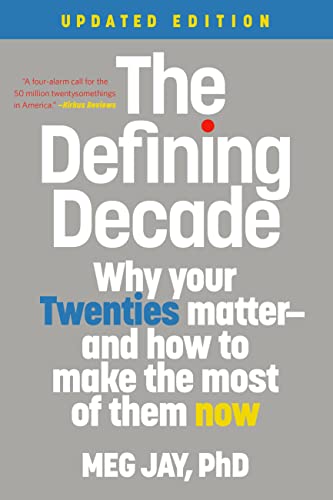
The Defining Decade by Meg Jay book cover

13. The Defining Decade

Meg Jay · 2012

Jay's blunt case that your twenties are not a throwaway decade, the identity capital and relationships you build then echo for life.

The Defining Decade is the book that debunked the “your thirties are the new twenties” myth with clinical evidence and zero softness. Jay’s identity capital concept is the idea that should be required reading for every college grad. It’s not a cheer; it’s a psychologist telling you the decade is real.

Read it if: twentysomethings tired of being told to 'enjoy it while you can,' and parents or mentors who want to give better advice

Skip it if: you're past your thirties looking for a reset, still useful, but it's aimed squarely at the decade you can't get back

Full verdict: The Defining Decade →

Frequently Asked Questions

What is the best personal growth book to start with?

Atomic Habits. Personal growth fails on execution, not intention, and Clear hands you the system that survives real life. Build one small habit, and you've already out-executed 90% of the people who bought the same book.

I've read the habit books. What's next for actual growth?

The meaning and identity layer. Man's Search for Meaning and The Courage to Be Disliked move you from "how do I improve" to "what is this for and whose story am I living." That's the difference between optimizing a life and actually choosing one.

How do I stop personal growth from becoming another treadmill?

Four Thousand Weeks and Essentialism. The growth industry sells the idea that you can endlessly upgrade yourself; these two argue for choosing deeply instead of collecting. Read them so the project doesn't eat your life.

What book helps me actually enjoy the process?

Flow. Growth that feels like grinding burns out; Csikszentmihalyi shows how to structure challenge and skill so the work itself becomes the reward. Pair it with The ONE Thing to aim that focus somewhere that matters.

Keep Reading