Best Books on Writing and Creativity: 3 Ranked by How Practical vs. Philosophical

Updated July 16, 2026 · 3 books

Best Books on Writing and Creativity: 3 Ranked by How Practical vs. Philosophical: ranked list of 3 books

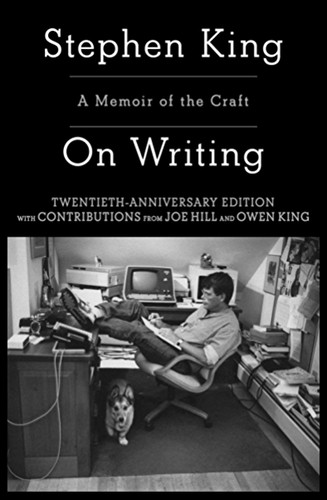
On Writing is the most useful of the three if you want actual craft advice. Stephen King splits the book between memoir and manual, and the manual half is blunt, specific, and free of the mysticism that shows up in most books about creativity. Cut adverbs. Read constantly. Finish the draft before you fix it. It’s a book for people who already know they want to write and need to get better at it.

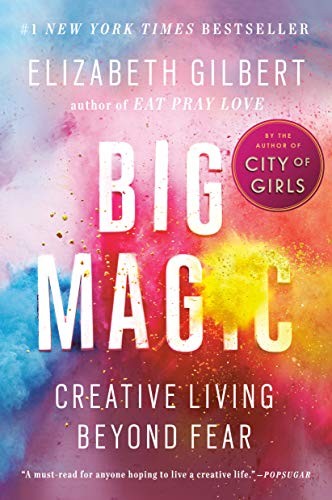
Big Magic solves a different problem. Elizabeth Gilbert isn’t teaching technique, she’s making the case that creative living doesn’t require suffering, genius, or permission from anyone. Read it when the block isn’t skill, it’s the belief that you’re not allowed to make things. It’s philosophy, not instruction, and it won’t pretend otherwise.

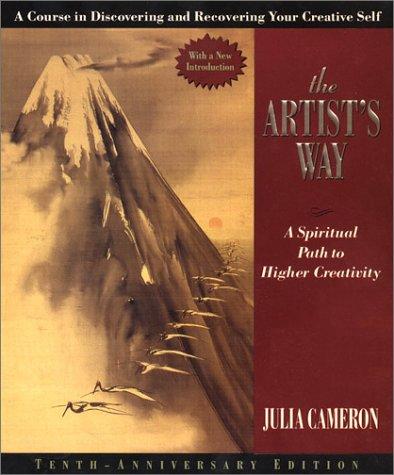
The Artist’s Way is the one to pick if inspiration alone hasn’t worked and you need structure instead. Julia Cameron built a 12-week program around daily exercises, Morning Pages being the famous one, three handwritten pages first thing every day. It’s a real time commitment, not a book you finish in a weekend, but that structure is the entire point for someone who needs a program more than a pep talk.

Skip Big Magic if you’re looking for concrete technique, it won’t give you any. Skip The Artist’s Way if you’re not willing to actually do the exercises, reading it passively defeats the design.

Quick Comparison

#BookBest for
1On WritingStephen Kinganyone weighing whether On Writing belongs on their self-improvement and psychology shelfAmazon
2Big MagicElizabeth Gilbertyou're sitting on a creative project and waiting for permission or inspiration to strike firstAmazon
3The Artist's WayJulia Cameronyou're creatively blocked and want a structured, daily-practice program to work through it, not just inspirationAmazon

The Books

On Writing by Stephen King book cover

1. On Writing

Stephen King · 1999

Stephen King's take on self-improvement, the honest verdict is below.

King’s memoir-craft book is the rare writing guide that’s also a page-turner, equal parts life story and ‘kill your adverbs.’ Read it before any other writing book; skip it only if you hate King or have zero interest in prose.

Read it if: anyone weighing whether On Writing belongs on their self-improvement and psychology shelf

Skip it if: you want a different angle than Stephen King's
Full verdict: On Writing →

Big Magic by Elizabeth Gilbert book cover

2. Big Magic

Elizabeth Gilbert · 2015

Gilbert's argument for treating creativity like a scavenger hunt, not a suffering contest.

Gilbert isn’t offering a system, she’s offering permission – to start badly, to not suffer for it, to treat the whole thing with more curiosity than dread. If Pressfield’s drill-sergeant approach hasn’t worked for you, this is worth trying instead.

Read it if: you're sitting on a creative project and waiting for permission or inspiration to strike first

Skip it if: you want a craft or technique book -- this is about mindset and courage, not how to actually write or paint

Full verdict: Big Magic →

The Artist's Way by Julia Cameron book cover

3. The Artist's Way

Julia Cameron · 1992

The 12-week creative-recovery program that gave the world 'morning pages' and a generation of unblocked writers.

Cameron’s genuine contribution is morning pages, a practice that’s outlived the book itself and shows up, often uncredited, in productivity and creativity advice thirty years later. The full 12-week structure asks for real commitment, but even lifting just the morning-pages habit out of it delivers most of the value.

Read it if: you're creatively blocked and want a structured, daily-practice program to work through it, not just inspiration

Skip it if: you want something secular and fast. Cameron's language is spiritual (she uses 'God' freely, reframable as 'creative energy'), and the full program is a genuine 12-week commitment

Full verdict: The Artist's Way →

Frequently Asked Questions

What is the best book for practical writing advice?

On Writing. Stephen King's half-memoir, half-craft-manual is the most concrete of the three, specific advice on sentences, adverbs, and the actual work of finishing a draft, not just the feeling of wanting to write.

What if I don't need craft advice, I need permission to make something?

Big Magic. Elizabeth Gilbert's book is philosophical rather than instructional, a case for creative living as a way of life. It won't teach you technique, it'll get you to stop waiting for permission you don't need.

What's The Artist's Way, and is it a quick read?

No, and go in knowing that. It's a structured 12-week program with daily exercises, most notably Morning Pages, three handwritten pages every morning. It's a commitment, not a weekend read, but the structure is exactly why it works for people who need a program rather than inspiration.

Can I read all three, or should I just pick one?

They solve different problems, so it depends what's stopping you. If you know what to write but not how, On Writing. If you're not writing at all because you don't feel entitled to, Big Magic. If you know you need structure and accountability, The Artist's Way.

Keep Reading