Best Founder Biographies: 12 Worth Reading Cover to Cover

Updated July 16, 2026 · 12 books

Best Founder Biographies: 12 Worth Reading Cover to Cover: ranked list of 12 books

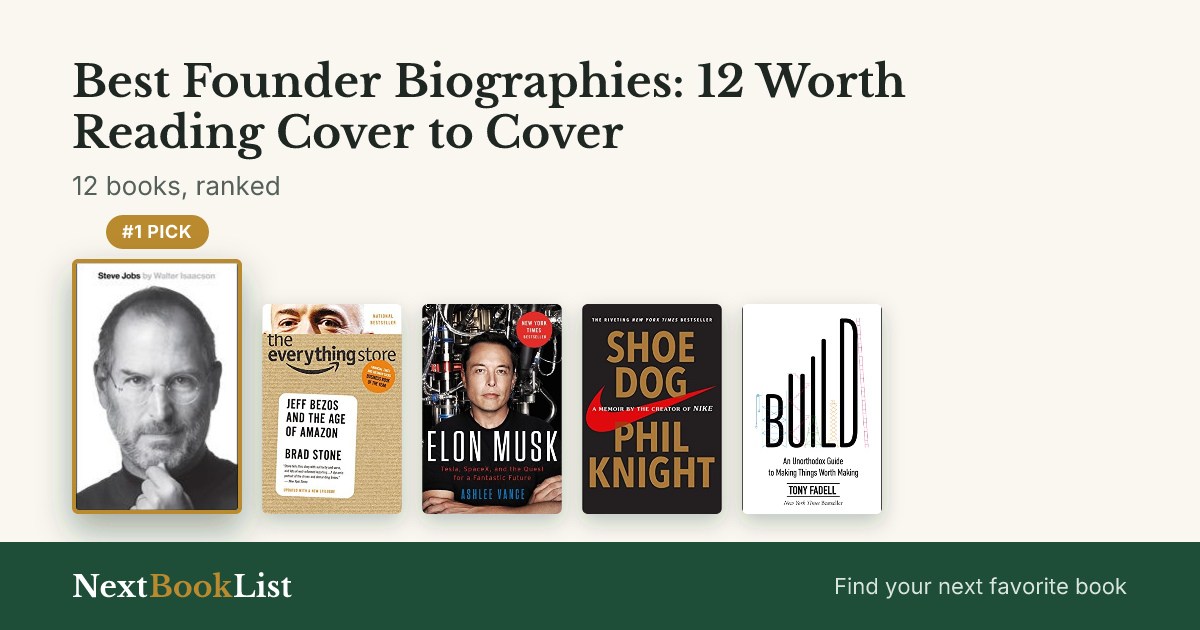
The best founder biography is Steve Jobs, because Isaacson had the access and the mandate to write the honest version, and did, genius and cruelty on the same page, with neither one softened for the reader. It’s the standard every book on this list gets measured against.

The Everything Store and Elon Musk are the modern pair: Brad Stone on Bezos’s willingness to sacrifice a decade of profit for Amazon’s market position, Ashlee Vance on Musk’s extreme, costly risk tolerance across PayPal, Tesla, and SpaceX. Shoe Dog is the most personal of the six. Phil Knight telling his own Nike story, years from bankruptcy, without the false confidence hindsight usually adds.

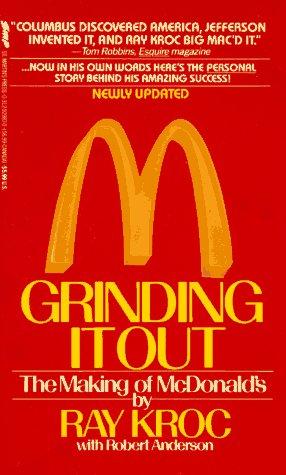
Build is Tony Fadell’s own account rather than a biographer’s, short, specific stories from the iPod and Nest years instead of one unified narrative. Titan and Grinding It Out close the list a century apart. Chernow’s Rockefeller biography is the fullest version of the pattern every other book here is a variation of. Grinding It Out is Ray Kroc’s own account of building McDonald’s, shorter, plainer, and told in the founder’s actual voice instead of a biographer’s.

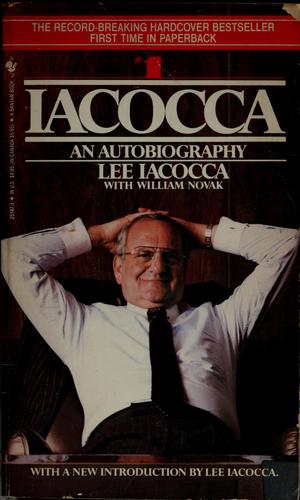
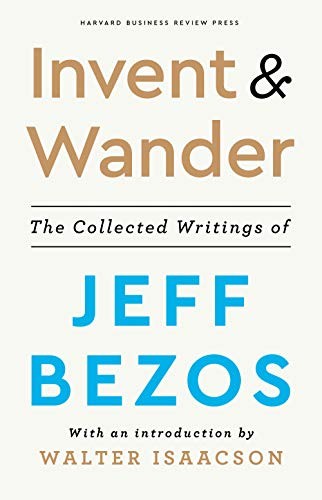
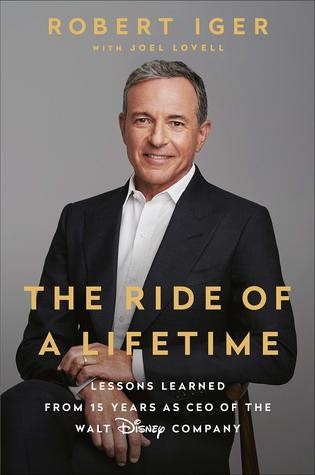
Five more worth the shelf space: Iacocca, Lee Iacocca’s own account of Ford and the Chrysler turnaround, one of the founding texts of the genre. Invent and Wander collects Bezos’s own shareholder letters rather than a biographer’s narrative, the closest thing to hearing his reasoning in real time. The Ride of a Lifetime is Bob Iger on two decades running Disney through the Pixar, Marvel, and Star Wars acquisitions. Like a Virgin and Screw It, Let’s Do It are both Richard Branson, in his own voice, less structured than the others but genuinely useful for anyone drawn to his build-fast-fix-later instincts.

One warning: founder biographies read like permission to skip the boring parts of actually building something. They’re the story after the fact. Nobody in these twelve books knew how it would end while they were living it.

Quick Comparison

#BookBest for
1Steve JobsWalter Isaacsonfounders and product people who want the real Jobs, not the mythAmazon
2The Everything StoreBrad Stonefounders and operators who want the real, warts-and-all story of relentless long-term thinkingAmazon
3Elon MuskAshlee Vancefounders who want an unfiltered look at obsessive, high-stakes company-buildingAmazon
4Shoe DogPhil Knightanyone building something who needs to know the chaos is normalAmazon
5BuildTony Fadellbuilders and first-time managers who want tactical stories, not abstract frameworksAmazon
6TitanRon Chernowfounders who want the long game of building, scaling, and surviving wealthAmazon
7Grinding It OutRay Krocfounders who need proof that late starts and grind pay offAmazon
8IacoccaLee Iacocca with William Novakyou want a firsthand, opinionated account of one of the most dramatic corporate turnarounds in American business historyAmazon
9Invent and WanderJeff Bezos & Walter Isaacsonyou want Bezos's actual operating principles in his own words, not a biographer's secondhand summary of themAmazon
10The Ride of a LifetimeRobert Igeranyone weighing whether The Ride of a Lifetime belongs on their business and money shelfAmazon
11Like a VirginRichard Bransonfounders who want a playful, brand-and-people-first philosophyAmazon
12Screw It, Let's Do ItRichard Bransonyou want a fast, motivational, story-driven read from an entrepreneur who's genuinely lived the risk-taking he preachesAmazon

The Books

Steve Jobs by Walter Isaacson book cover

1. Steve Jobs

Walter Isaacson · 2011

The definitive biography of the man who fused art and engineering.

Isaacson’s Steve Jobs is the authorized, unflinching portrait: brutal, brilliant, obsessed with taste and end-to-end control. More biography than business manual, but the product-philosophy lessons are sharp. Skip it if you only want tactics.

Read it if: founders and product people who want the real Jobs, not the myth

Skip it if: you want a how-to and dislike long biographies
Full verdict: Steve Jobs →

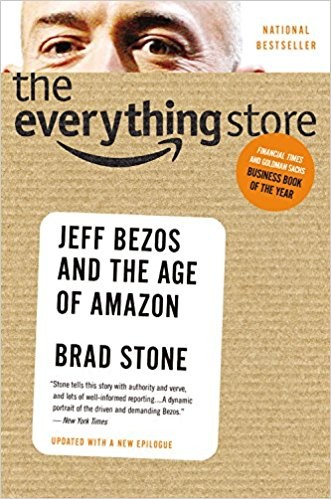
The Everything Store by Brad Stone book cover

2. The Everything Store

Brad Stone · 2013

The definitive account of how Jeff Bezos built Amazon from an online bookstore into the everything store.

Brad Stone’s Amazon history is the best access-driven business biography of the internet era: Bezos’s obsession with the customer, his willingness to lose money for a decade, and his famously demanding management style all come through clearly. It’s admiring without being a puff piece, which is rarer than it should be in business biography. Skip it if you want a tidy leadership-lessons listicle instead of a genuinely reported history.

Read it if: founders and operators who want the real, warts-and-all story of relentless long-term thinking

Skip it if: you want a flattering profile instead of an honest, sometimes uncomfortable one

Full verdict: The Everything Store →

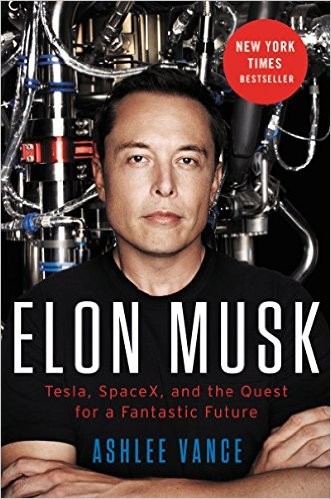
Elon Musk by Ashlee Vance book cover

3. Elon Musk

Ashlee Vance · 2015

Ashlee Vance's biography of the entrepreneur behind PayPal, Tesla, and SpaceX, built on rare direct access to Musk and his inner circle.

Vance’s biography benefits from genuine access to Musk and the people around him, and it’s frank about both the ambition and the cost, to the man himself and to the people who worked for him. It reads less like a business-strategy book and more like a character study of obsession at industrial scale. Skip it if you’ve already read enough Musk coverage to know the broad strokes; this adds detail, not a new thesis.

Read it if: founders who want an unfiltered look at obsessive, high-stakes company-building

Skip it if: you want a balanced or critical take rather than an access-driven profile

Full verdict: Elon Musk →

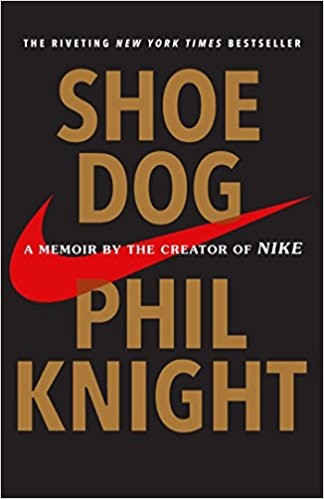
Shoe Dog by Phil Knight book cover

4. Shoe Dog

Phil Knight · 2016

Nike's founding story, told with more honesty than any founder memoir before or since.

Knight spent Nike’s first decade one bank meeting away from bankruptcy, and he writes about it like a novelist, not a victory-lap billionaire. No lessons in bullet points, no false modesty. The best business memoir in print because it admits how much was desperation and luck.

Read it if: anyone building something who needs to know the chaos is normal

Skip it if: you want frameworks and takeaways (this is a story, and better for it)

Full verdict: Shoe Dog →

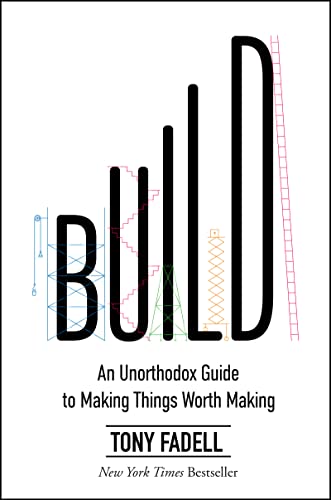
Build by Tony Fadell book cover

5. Build

Tony Fadell · 2022

The iPod and Nest creator's field guide to building products, teams, and companies without a formal playbook.

Fadell’s book reads like a mentor’s notebook rather than a business-strategy book: short, specific chapters on hiring, pitching, quitting, and shipping, each grounded in a real story from Apple, Nest, or Google. It doesn’t try to unify into one big theory, which is either refreshing or frustrating depending on what you’re looking for. Skip it if you want a single cohesive framework; read it if you want a hundred small, specific lessons from someone who’s actually shipped hardware at scale.

Read it if: builders and first-time managers who want tactical stories, not abstract frameworks

Skip it if: you want a single unified theory rather than a collection of hard-won specific lessons

Full verdict: Build →

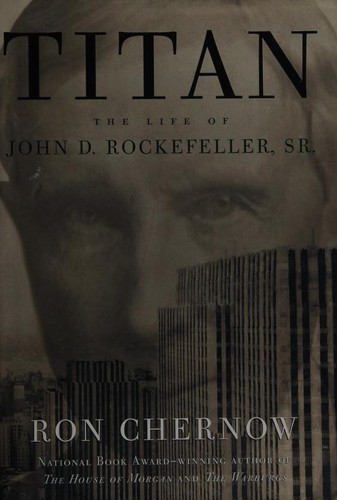
Titan by Ron Chernow book cover

6. Titan

Ron Chernow · 1998

Ron Chernow's monumental life of John D. Rockefeller, capitalism at its apex.

Titan is the definitive Rockefeller biography: ruthless competition, then systematic philanthropy. It’s history, not a manual, but the arc from builder to institutions is instructive. Skip it if you don’t enjoy doorstop biographies.

Read it if: founders who want the long game of building, scaling, and surviving wealth

Skip it if: you want a quick business lesson, not an 800-page biography

Full verdict: Titan →

Grinding It Out by Ray Kroc book cover

7. Grinding It Out

Ray Kroc · 2016

Ray Kroc's own story of building McDonald's, persistence over the golden arches.

Grinding It Out is Kroc in his own words: the milkshake-machine salesman who franchised McDonald’s at 52. Gritty, opinionated, and a real lesson in persistence and standardization. Skip it if you dislike memoirs.

Read it if: founders who need proof that late starts and grind pay off

Skip it if: you want systems thinking, not a founder's memoir

Full verdict: Grinding It Out →

Iacocca by Lee Iacocca with William Novak book cover

8. Iacocca

Lee Iacocca with William Novak · 1984

The Chrysler turnaround, told by the executive who got fired from Ford and then talked the U.S. government into a loan guarantee to save Chrysler from bankruptcy.

Iacocca tells this story as its central character, and the self-mythologizing is part of what made the book a phenomenon in the 1980s – the $1 salary, the ad campaigns, the government showdown all read like a script because Iacocca understood narrative as well as he understood cars. Read it for the drama and the era; look elsewhere for objective turnaround analysis.

Read it if: you want a firsthand, opinionated account of one of the most dramatic corporate turnarounds in American business history

Skip it if: you want objective, third-party business analysis, this is a memoir, told from Iacocca's own perspective, with all the self-serving framing that implies

Full verdict: Iacocca →

Invent and Wander by Jeff Bezos & Walter Isaacson book cover

9. Invent and Wander

Jeff Bezos & Walter Isaacson · 2020

Twenty-five years of Amazon shareholder letters, collected into the closest thing to a Bezos owner's manual.

This isn’t a biography – it’s the primary source. Twenty-five years of Bezos explaining, in his own words and in real time, why Amazon made the bets it made. Read the letters chronologically and you can watch “Day 1” go from a slogan to a tested operating principle.

Read it if: you want Bezos's actual operating principles in his own words, not a biographer's secondhand summary of them

Skip it if: you've already read the shareholder letters on Amazon's investor relations page -- this is the same text plus a foreword

Full verdict: Invent and Wander →

The Ride of a Lifetime by Robert Iger book cover

10. The Ride of a Lifetime

Robert Iger · 2019

Robert Iger's take on business, the honest verdict is below.

Bob Iger’s memoir of leading Disney through massive acquisitions. Genuinely instructive on leadership and one of the better CEO memoirs. Skip if you want gritty operational detail, because it stays at the strategic altitude.

Read it if: anyone weighing whether The Ride of a Lifetime belongs on their business and money shelf

Skip it if: you want a different angle than Robert Iger's

Full verdict: The Ride of a Lifetime →

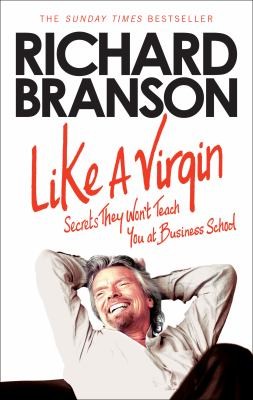
Like a Virgin by Richard Branson book cover

11. Like a Virgin

Richard Branson · 2012

Richard Branson's lessons on business as an adventure, not a spreadsheet.

Like a Virgin is Branson’s collection of business lessons delivered as stories: brand, people, fun, and boldness. Thin on systems, rich on attitude. Skip it if you need a manual.

Read it if: founders who want a playful, brand-and-people-first philosophy

Skip it if: you want rigorous operations, not breezy anecdotes

Full verdict: Like a Virgin →

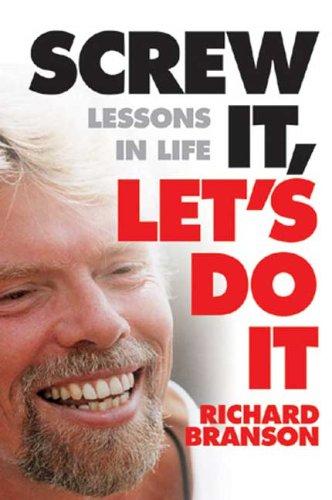
Screw It, Let's Do It by Richard Branson book cover

12. Screw It, Let's Do It

Richard Branson · 2006

Branson's short, punchy distillation of his own entrepreneurial philosophy, bite-sized lessons from a career built on saying yes to things that looked reckless from the outside.

Branson’s voice carries this more than any framework does – short, direct, and backed by a career genuinely reckless enough (space tourism, transatlantic ballooning) to make the “just say yes” philosophy feel earned rather than glib. Read it for the energy and specific stories, not for a repeatable system.

Read it if: you want a fast, motivational, story-driven read from an entrepreneur who's genuinely lived the risk-taking he preaches

Skip it if: you want a rigorous business strategy framework, this is short, anecdotal, and inspirational rather than analytical or structured like Competitive Strategy or The Innovator's Dilemma

Full verdict: Screw It, Let's Do It →

Frequently Asked Questions

What is the best founder biography to start with?

Steve Jobs by Walter Isaacson. It's the most complete and the most honest. Jobs granted access and got none of the softening most subjects negotiate for. It set the template every access-driven business biography since has been compared to.

The Everything Store or Elon Musk, which is more useful?

The Everything Store if you want the clearer business lesson. Bezos's willingness to sacrifice a decade of profit for market position is a genuinely applicable pattern. Elon Musk is more of a character study of extreme risk tolerance; useful, but harder to extract a repeatable lesson from.

Is Shoe Dog really as good as people say?

Yes. Phil Knight wrote it himself, and it's the most emotionally honest founder memoir on this list, years of nearly running out of cash, told without the retrospective confidence that usually creeps into founder stories once the ending is known.

Titan is about Rockefeller, a century-old story. Why is it here?

Because Chernow's biography is the fullest account of the pattern every other book on this list is a variation of: relentless focus, ruthless competitive instinct, and a willingness to be hated on the way to dominating an industry. The era changes; the pattern doesn't.

Build isn't really a biography. Why is it on this list?

It's the most memoir-like of Tony Fadell's writing, specific, personal stories from building the iPod and founding Nest, rather than an outside biographer's narrative. It reads closer to Shoe Dog and Grinding It Out than to a business-strategy book, which is why it earned a spot here instead of on a pure strategy list.

Keep Reading