Best Memoirs About Loss and Trauma: 9 That Don't Look Away

Updated July 16, 2026 · 9 books

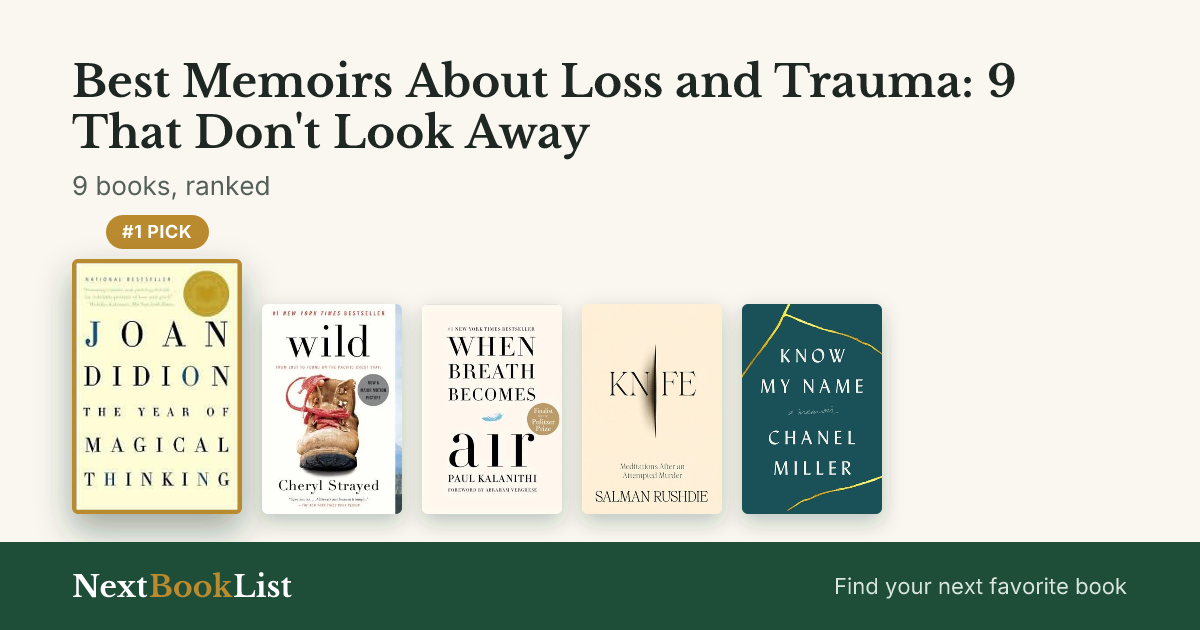
Best Memoirs About Loss and Trauma: 9 That Don't Look Away: ranked list of 9 books

Start with The Year of Magical Thinking. Joan Didion’s husband died suddenly of a heart attack while their daughter lay critically ill in a hospital bed, and Didion spent the following year unable to accept it, keeping his shoes in case he needed them. It’s the least comforting grief book you’ll read and the most honest one, because it refuses every cliché about “moving on.”

Grief that turns into reinvention: Wild, Cheryl Strayed’s account of hiking the Pacific Crest Trail alone after her mother’s death unraveled her marriage and nearly her life. When Breath Becomes Air sits next to it as the inverse angle — a neurosurgeon facing his own terminal diagnosis, writing toward his death instead of away from someone else’s.

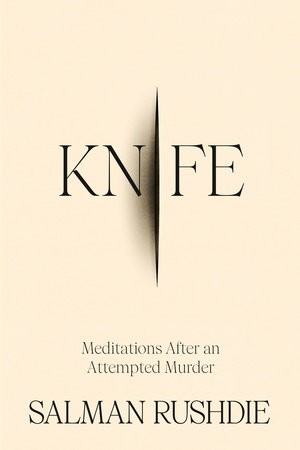
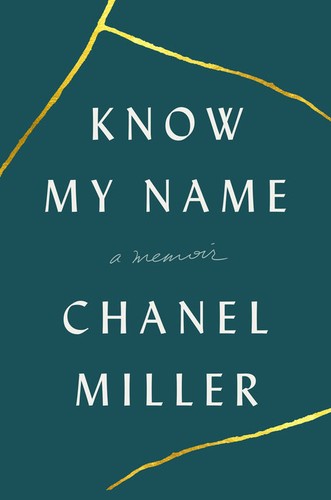
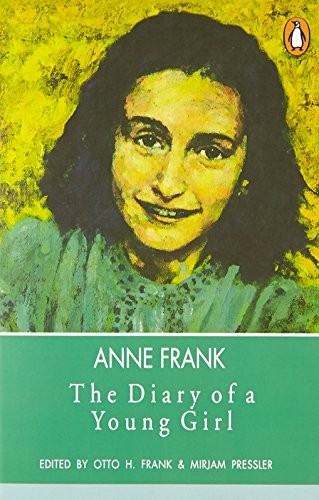
Surviving violence, not just loss: Knife is Salman Rushdie’s clear-eyed account of being stabbed on stage, written without melodrama about an attack that nearly killed him. Know My Name is Chanel Miller reclaiming her name and her story after being assaulted and then put through a trial that treated her as evidence rather than a person — read it for how precisely she dismantles that process. The Bad Doctor adds a quieter, more clinical betrayal: medical trust broken from the inside. Close with The Diary of a Young Girl, Anne Frank’s diary written in hiding during the Holocaust, which ends the way you already know it ends and still manages to surprise you with how much life is in it before that.

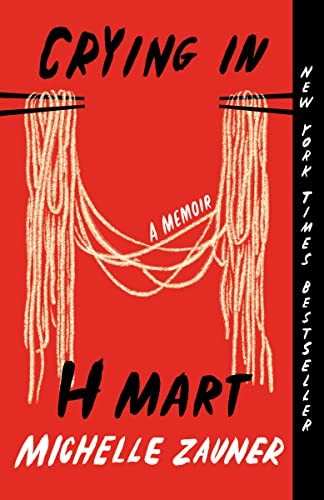
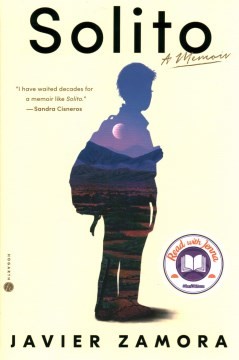
Two more belong in this company. Crying in H Mart is Michelle Zauner (Japanese Breakfast) processing her mother’s death through Korean food and the grocery store aisles that hold the memory of her. Solito is Javier Zamora’s account of his own unaccompanied migration from El Salvador to the US at age nine, told entirely from the child’s-eye view of weeks spent with smugglers and crossing the desert.

One warning: these are not “inspiring” books in the marketing sense, and treating them that way does them a disservice. They’re specific, hard, and sometimes unresolved. If you want catharsis without the weight, this isn’t the list.

Quick Comparison

#BookBest for
1The Year of Magical ThinkingJoan Didionyou want the book most literary readers point to as the definitive account of grief in plain, exact prose -- no forced uplift, no tidy stages, just what it's actually like when magical thinking (the belief that you can somehow undo it) takes holdAmazon
2WildCheryl Strayedyou want the modern reference point for the grief-and-reinvention memoir -- messy, honest about her own bad decisions, and grounded in the physical, unglamorous reality of a genuinely hard hikeAmazon
3When Breath Becomes AirPaul Kalanithiyou want an unflinching, literary account of facing terminal illness from someone who understood exactly what was happening to his own bodyAmazon
4KnifeSalman Rushdieyou want a survivor's own reckoning with violence and free expression, written by one of the people the fatwa era actually happened toAmazon
5Know My NameChanel Milleryou want a serious, precisely written account of what a sexual assault survivor actually goes through in the legal system, written by a genuinely gifted prose stylist, not a ghostwritten accountAmazon
6The Bad DoctorIan Williamsyou want an honest, visually striking portrait of the mental toll of practicing medicine, told by someone who's actually lived itAmazon
7The Diary of a Young GirlAnne Frankyou want the most human, immediate entry point into understanding the Holocaust -- through the daily, specific, sometimes funny voice of a real teenage girl, not a history textbookAmazon
8Crying in H MartMichelle Zauneranyone weighing whether Crying in H Mart belongs on their memoir shelfAmazon
9SolitoJavier Zamorayou want a specific, unsentimental, child's-eye account of unaccompanied migration -- weeks with smugglers, crossing the desert, the strangers who became a makeshift family along the wayAmazon

The Books

The Year of Magical Thinking by Joan Didion book cover

1. The Year of Magical Thinking

Joan Didion · 2005

Joan Didion's precise, unsentimental account of the year after her husband dropped dead of a heart attack at their dinner table -- while their only daughter lay gravely ill in the hospital.

The book’s staying power is partly circumstantial and partly craft: circumstantial because Quintana’s death shortly after publication turned it into an unintentional prologue to Didion’s next memoir, Blue Nights; craft because Didion never once reaches for a comforting cliché about grief, which is exactly why the book still gets handed to people going through it two decades later.

Read it if: you want the book most literary readers point to as the definitive account of grief in plain, exact prose -- no forced uplift, no tidy stages, just what it's actually like when magical thinking (the belief that you can somehow undo it) takes hold

Skip it if: you want warmth or comfort -- Didion's prose is famously controlled and clinical even under the weight of the material, which some readers find devastating in the right way and others find cold or distancing
Full verdict: The Year of Magical Thinking →

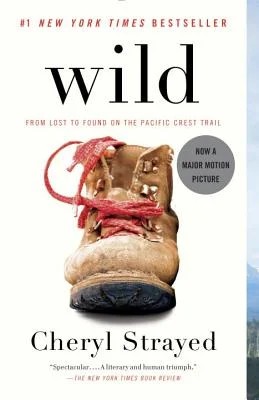
Wild by Cheryl Strayed book cover

2. Wild

Cheryl Strayed · 2012

After her mother's death unraveled her, Cheryl Strayed -- with zero backpacking experience -- hikes over 1,000 miles of the Pacific Crest Trail alone to put herself back together.

The detail that keeps the book from tipping into inspirational-poster territory: Strayed loses a boot over a cliff edge early on and finishes a stretch of the trail in duct-taped sandals. It’s a small moment, but it’s the whole book in miniature – badly prepared, genuinely miserable, and she keeps walking anyway.

Read it if: you want the modern reference point for the grief-and-reinvention memoir -- messy, honest about her own bad decisions, and grounded in the physical, unglamorous reality of a genuinely hard hike

Skip it if: you want a tidy inspirational story -- Strayed is upfront about heroin use, an affair, and a divorce that came before the hike, and the book doesn't sand any of that down to make her more sympathetic

Full verdict: Wild →

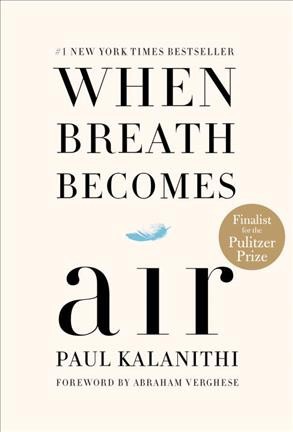
When Breath Becomes Air by Paul Kalanithi book cover

3. When Breath Becomes Air

Paul Kalanithi · 2016

A neurosurgeon spent his career telling patients they were dying, then had to sit on the other side of that conversation himself, at 36, with a newborn daughter.

Kalanithi’s medical precision about his own dying is what separates this from most illness memoirs – he can name exactly what’s happening in his body while also grappling with what it means, and the combination is rare. Read it slowly; it’s short enough to finish in a sitting, but it deserves more time than that.

Read it if: you want an unflinching, literary account of facing terminal illness from someone who understood exactly what was happening to his own body

Skip it if: you're not in a place to read directly about death and mortality right now -- this book doesn't soften that material, and it shouldn't be read as comfort reading

Full verdict: When Breath Becomes Air →

Knife by Salman Rushdie book cover

4. Knife

Salman Rushdie · 2024

Rushdie's own account of the 2022 stage attack that nearly killed him, and the language he used to survive it.

Rushdie could have written a book about vengeance, or a book about martyrdom for free speech. He wrote neither. What he wrote is closer to a working writer’s notebook on how you keep using language after someone tries to take it, and you, away permanently.

It’s a short book, and it earns every page of that shortness – there’s no padding, no chapter that exists just to hit a word count. If you’ve read Rushdie’s fiction and wondered what the man behind the fatwa headlines actually sounds like when he’s not performing, this is it.

Read it if: you want a survivor's own reckoning with violence and free expression, written by one of the people the fatwa era actually happened to

Skip it if: you're looking for a detailed history of the fatwa itself -- this is about the attack and its aftermath, not a Satanic Verses retrospective

Full verdict: Knife →

Know My Name by Chanel Miller book cover

5. Know My Name

Chanel Miller · 2019

The woman the world knew only as 'Emily Doe' after her assault on Stanford's campus reclaims her name and tells the full story -- the assault, the trial, the viral victim impact statement, and what came after.

Miller’s impact statement, read aloud in court and later published in full by BuzzFeed News, was viewed tens of millions of times before this book existed – which means most people met her only through eleven minutes of prepared remarks. The memoir is the years around those eleven minutes that nobody saw.

Read it if: you want a serious, precisely written account of what a sexual assault survivor actually goes through in the legal system, written by a genuinely gifted prose stylist, not a ghostwritten account

Skip it if: you're looking for something to read casually -- this covers sexual assault and its aftermath directly and in detail, and deserves to be read when you can give it real attention, not as background reading

Full verdict: Know My Name →

The Bad Doctor by Ian Williams book cover

6. The Bad Doctor

Ian Williams · 2014

A graphic novel by a working GP about a fictional small-town doctor quietly drowning in OCD, professional guilt, and the gap between what medicine promises patients and what it can actually deliver.

What sets this apart from the wave of doctor-memoirs is the format – Williams draws Iwan’s intrusive thoughts as actual intruding panels, which does more to convey what OCD feels like from the inside than a paragraph of description could. It’s a quieter, sadder book than its title suggests; there’s no dramatic malpractice scandal here, just the slow grind of a decent doctor barely holding it together.

Read it if: you want an honest, visually striking portrait of the mental toll of practicing medicine, told by someone who's actually lived it

Skip it if: you want prose memoir -- this is a graphic novel, and the black-and-white comic format (plus a semi-fictionalized protagonist rather than straight autobiography) isn't for readers who want a conventional medical memoir

Full verdict: The Bad Doctor →

The Diary of a Young Girl by Anne Frank book cover

7. The Diary of a Young Girl

Anne Frank · 1947

A 13-year-old girl hiding from the Nazis in an Amsterdam attic keeps a diary -- and it becomes the most widely read firsthand account of the Holocaust precisely because it's about an ordinary teenager, not a symbol.

What stays with you isn’t the ending, which the diary itself doesn’t narrate – it’s how alive and specific Anne’s voice remains right up until the entries stop, which makes the historical fact of what happened next land harder than any epilogue could.

Read it if: you want the most human, immediate entry point into understanding the Holocaust -- through the daily, specific, sometimes funny voice of a real teenage girl, not a history textbook

Skip it if: you're looking for a full historical account of the Holocaust -- this is one specific, personal experience of hiding, not a comprehensive history, and it ends abruptly, without narration of what came after

Full verdict: The Diary of a Young Girl →

Crying in H Mart by Michelle Zauner book cover

8. Crying in H Mart

Michelle Zauner · 2020

Michelle Zauner's take on memoir, the honest verdict is below.

A raw memoir about grief, food, and Korean American identity. Read it for the emotional honesty; skip if you want business content, because the category tag is flat wrong. This is literary memoir, not self-help.

Read it if: anyone weighing whether Crying in H Mart belongs on their memoir shelf

Skip it if: you want a different angle than Michelle Zauner's

Full verdict: Crying in H Mart →

Solito by Javier Zamora book cover

9. Solito

Javier Zamora · 2022

A poet reconstructs, week by week, the journey he made alone at nine years old from El Salvador to the US border with a group of strangers and no parent in sight.

Zamora doesn’t let his adult self anywhere near this book. Every page stays inside what he understood at nine, migrating alone from El Salvador with a shifting group of strangers and smugglers, and that restriction is what makes it land. There’s no policy argument bolted on, no zoomed-out immigration-debate framing, just what it felt like to be a scared kid crossing a desert with people who weren’t his family but acted like it when it mattered.

It’s a heavier read than most memoirs on this site, and it should be treated that way. The desert-crossing chapters in particular are tense and specific, not softened for comfort. Go in knowing that, and it’s one of the more precise, unsentimental migration memoirs published in years.

Read it if: you want a specific, unsentimental, child's-eye account of unaccompanied migration -- weeks with smugglers, crossing the desert, the strangers who became a makeshift family along the way

Skip it if: you want a policy-level or big-picture book about immigration -- this stays entirely inside one nine-year-old's limited understanding of what's happening to him, by design, and doesn't zoom out

Full verdict: Solito →

Frequently Asked Questions

What is the best memoir about grief?

The Year of Magical Thinking. Joan Didion's husband died of a heart attack at their dinner table, and she wrote this in the year after, trying and failing to think her way out of the loss. It's the sharpest, least sentimental account of grief on the shelf.

Is Wild about hiking or about grief?

Both, in that order the book insists on. Cheryl Strayed hiked eleven hundred miles of the Pacific Crest Trail alone after her mother's death and her own life falling apart, and the trail is where the grief actually gets processed. Read it for the reinvention, not the scenery.

What's the hardest book on this list?

Knife or Know My Name, depending on what you can't handle. Knife is Salman Rushdie's account of being stabbed on stage in 2022, written with unnerving calm about the violence itself. Know My Name is Chanel Miller's account of surviving sexual assault and then the trial that followed, which is often harder than the assault itself.

Is The Diary of a Young Girl too well-known to bother reading as an adult?

No. Anne Frank wrote it as a teenager hiding from the Nazis, and most people only know the sanitized excerpts from school. The full diary is funnier, angrier, and more alive than its reputation, which makes the ending land harder, not softer.

Keep Reading