Best Personal Development Classics: 5 That Predate the Self-Help Industry

Updated July 16, 2026 · 5 books

Best Personal Development Classics: 5 That Predate the Self-Help Industry: ranked list of 5 books

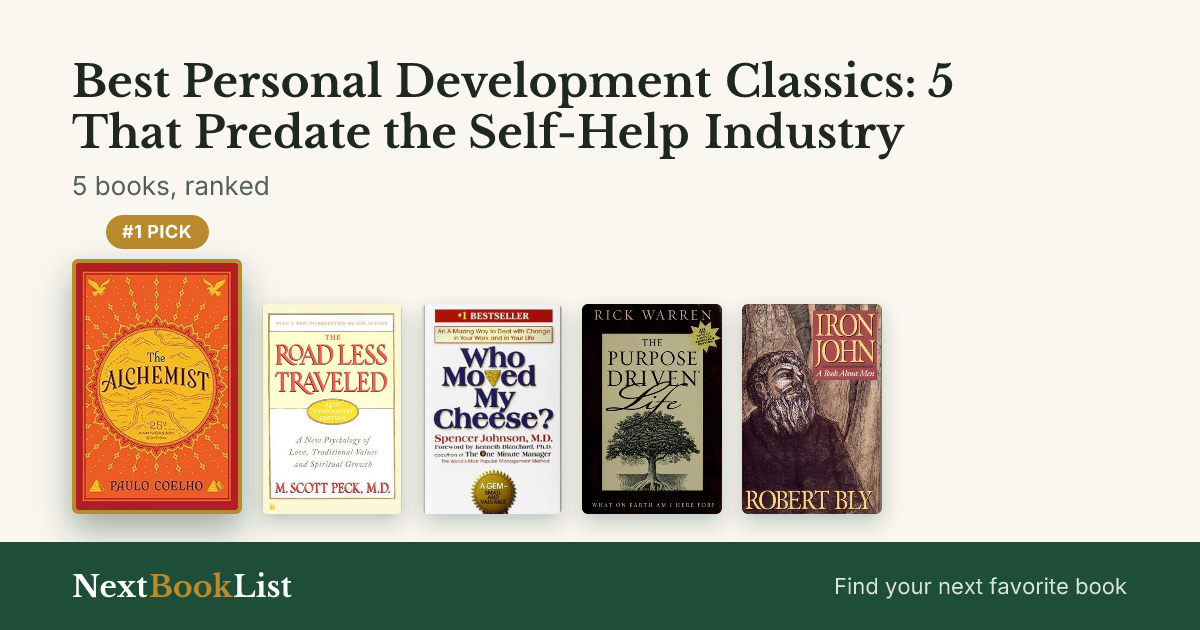
Start with The Alchemist. Paulo Coelho’s parable has stayed in print and in bestseller lists since 1988, which is the whole Lindy case for it, and it works precisely because it isn’t trying to instruct you. It’s a fable about pursuing what you actually want, and it lands differently depending on what you bring to it. Don’t expect practical steps. That’s not what it’s for.

The Road Less Traveled earns its spot the same way, decades in print, opening with a line (“Life is difficult”) that’s been quoted so often it’s easy to forget it started here. M. Scott Peck blends psychology and spirituality rather than picking one, so it reads less like a self-help book and more like a long, serious meditation on discipline and love.

Who Moved My Cheese and The Purpose Driven Life are both shorter, more specific, and worth going in with eyes open. Cheese is a quick workplace-change parable, useful at the individual level, though it’s worth knowing the honest critique: some readers feel it’s been used by employers to sell change and layoffs without addressing what people are actually upset about. The Purpose Driven Life is not secular self-help in disguise, it’s an explicitly Christian devotional book, know that before you pick it up. Iron John closes the list as the most dated and specific entry, Robert Bly’s men’s-movement book on masculinity and mythology, a genuine cultural artifact of the moment it launched.

The warning that applies to all five: these are old enough that some of the framing hasn’t aged evenly. That’s not disqualifying, it’s why the Lindy filter matters here, they survived because something in them is still true, but read them as products of their decade, not timeless instructions handed down from nowhere.

Quick Comparison

#BookBest for
1The AlchemistPaulo Coelhoyou want an easy, symbolic, one-sitting story about pursuing a calling ('Personal Legend'), not a research-based frameworkAmazon
2The Road Less TraveledM. Scott Peckyou want a serious, spiritually-grounded book on discipline, love, and suffering, not a quick-fix frameworkAmazon
3Who Moved My Cheese?Spencer Johnsonyour industry, job, or relationship just changed and you're still acting like it didn'tAmazon
4The Purpose Driven LifeRick Warrenyou want a structured, day-by-day devotional exploring purpose from an evangelical Christian perspectiveAmazon
5Iron JohnRobert Blyyou want a poetic, mythology-based exploration of masculinity and father-son wounds, told through fairy tale and folkloreAmazon

The Books

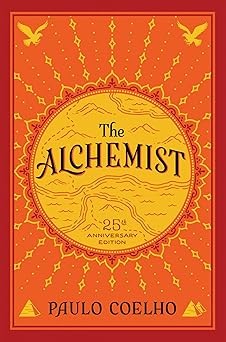
The Alchemist by Paulo Coelho book cover

1. The Alchemist

Paulo Coelho · 1988

A shepherd's journey to the Egyptian pyramids, and one of the best-selling books alive, read as fiction, absorbed as a self-improvement fable.

Coelho’s fable format does something a straight self-help book can’t: it makes the abstract fear of pursuing a calling concrete through a specific character’s journey, which is probably why it’s outsold most actual self-help books combined. Read it once, in one sitting if you can, and don’t overanalyze the mysticism – take the Personal Legend idea and leave the rest.

Read it if: you want an easy, symbolic, one-sitting story about pursuing a calling ('Personal Legend'), not a research-based framework

Skip it if: you want practical, actionable advice, this is allegorical fiction, and its lessons are metaphorical, not step-by-step
Full verdict: The Alchemist →

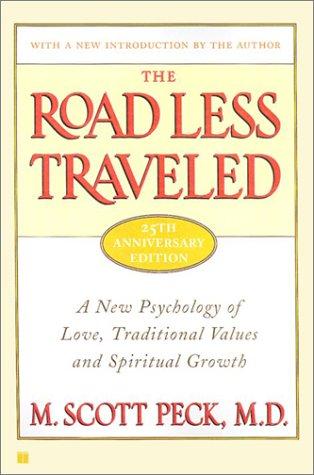
The Road Less Traveled by M. Scott Peck book cover

2. The Road Less Traveled

M. Scott Peck · 1978

The psychiatrist who opened a bestseller with 'life is difficult' and made millions feel better about it.

Peck was a practicing psychiatrist, and it shows in how precisely he defines discipline and love instead of just gesturing at them. The first third of the book is genuinely useful and still gets quoted for a reason. The back half, where he moves into grace, evil, and religious experience, is more a product of its late-70s moment. Read it for the framework, keep what’s useful, and don’t feel obligated to buy the whole worldview.

Read it if: you want a serious, spiritually-grounded book on discipline, love, and suffering, not a quick-fix framework

Skip it if: you want secular, evidence-based psychology. Peck leans religious, and some of his views on grace and evil haven't aged cleanly

Full verdict: The Road Less Traveled →

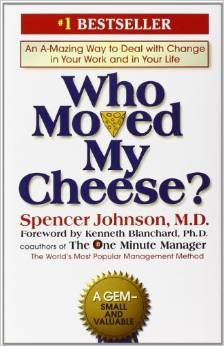
Who Moved My Cheese? by Spencer Johnson book cover

3. Who Moved My Cheese?

Spencer Johnson · 1998

The 96-page parable that explains why you're still doing a job that stopped working two years ago.

Spencer Johnson tells the entire book as a parable about four characters – two mice, two tiny people – reacting to their cheese supply disappearing overnight. It’s absurdly short and a little corny, and it still works because most people really are the little people in the story, arguing about fairness instead of moving. Read it fast, apply it faster.

Read it if: your industry, job, or relationship just changed and you're still acting like it didn't

Skip it if: you want depth or nuance -- this is a corporate parable, not a psychology book

Full verdict: Who Moved My Cheese? →

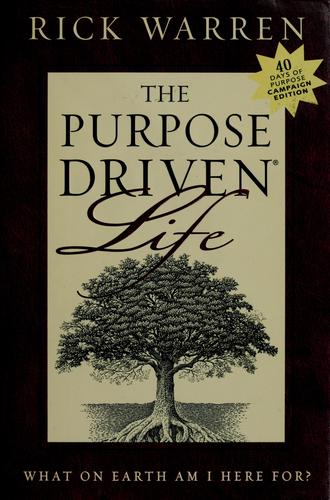
The Purpose Driven Life by Rick Warren book cover

4. The Purpose Driven Life

Rick Warren · 2002

A 40-day devotional that sold over 30 million copies by answering 'what's the point of my life' with an explicitly Christian framework.

Warren built the book to be used, not just read – the 40-day structure, discussion questions, and small-group format explain a lot of its reach beyond the writing itself. It’s most useful exactly where it says it is: for readers already inside or open to an evangelical Christian framework. Outside that, look elsewhere for your purpose book.

Read it if: you want a structured, day-by-day devotional exploring purpose from an evangelical Christian perspective

Skip it if: you want a secular or interfaith answer to 'what's my purpose', this is written for and from a specific evangelical Christian worldview, not a general audience

Full verdict: The Purpose Driven Life →

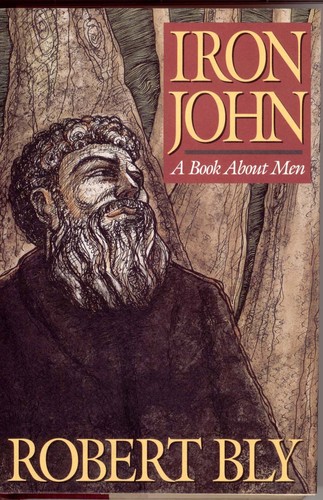
Iron John by Robert Bly book cover

5. Iron John

Robert Bly · 1990

The book that kicked off the mythopoetic men's movement, built around a Grimm fairy tale about a wild man in the forest.

Bly writes as a poet, not a therapist or a consultant, and the book asks you to sit with myth and metaphor rather than hand you a checklist. It’s the odd one out on most self-improvement shelves for exactly that reason – worth reading if the mythopoetic lens interests you, skippable if you want something more direct and contemporary.

Read it if: you want a poetic, mythology-based exploration of masculinity and father-son wounds, told through fairy tale and folklore

Skip it if: you want a practical, contemporary framework. Bly writes as a poet drawing on Jungian archetypes and myth, not as a self-help author giving direct steps

Full verdict: Iron John →

Frequently Asked Questions

What is the best personal development classic to start with?

The Alchemist. It's a parable, not a how-to guide, so go in knowing that, but it's sold tens of millions of copies and stayed in print since 1988 for a reason. It works on you sideways, through story, not through instructions.

Is The Road Less Traveled more psychology or more spirituality?

Both, deliberately. M. Scott Peck opens with the famous line 'Life is difficult' and spends the rest of the book blending clinical psychology with spiritual reflection. If you want one without the other, this isn't the book.

Is Who Moved My Cheese actually useful, or just corporate fluff?

It's a genuinely short, simple parable about adapting to change, and it works for what it is. The honest criticism, which is worth knowing before you read it: some employees have felt it's used by management to justify layoffs or change without addressing the real grievances underneath. Read it for the individual-level lesson, not as a defense of how it's sometimes deployed.

Is The Purpose Driven Life a religious book?

Yes, explicitly. It's a Christian devotional, not a secular self-help book with religious flavoring. If you're not looking for that framework, this is the one on the list to skip.

What is Iron John actually about?

Robert Bly's book on masculinity and mythology, credited with launching the men's movement in the early 1990s. It's dated and specific in its framing by design, a product of its moment, so read it as a historical artifact of that conversation as much as a guide.

Keep Reading