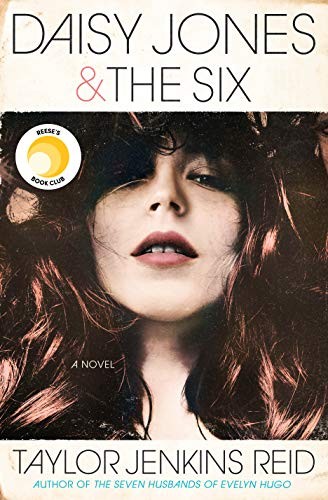
Daisy Jones & The Six
by Taylor Jenkins Reid · 2019
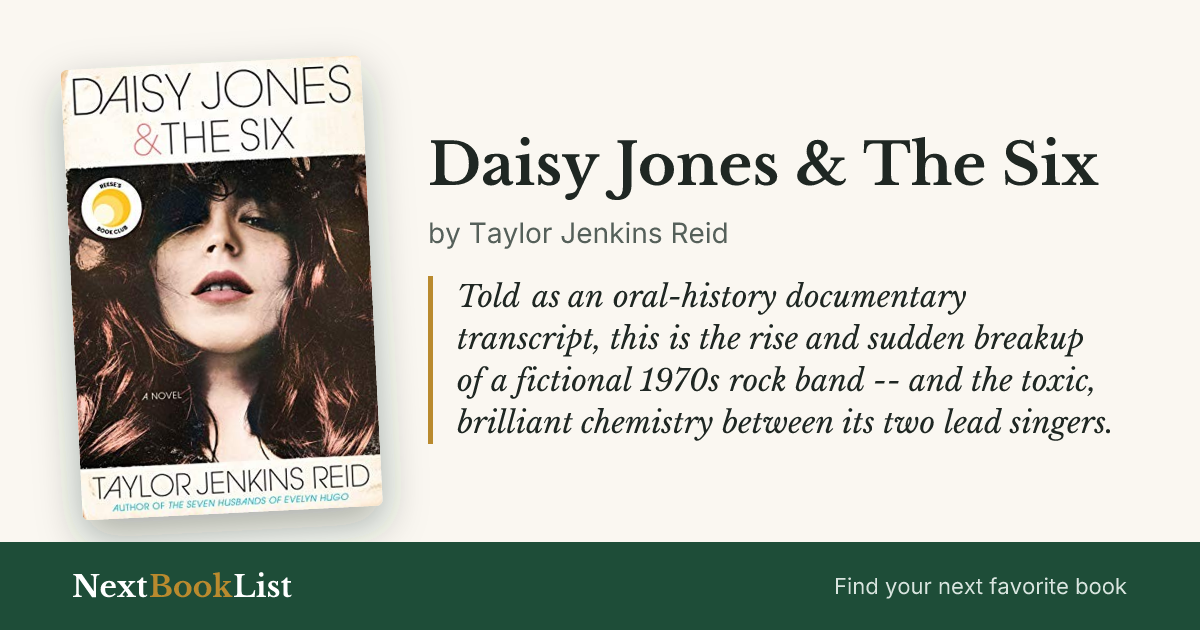
Told as an oral-history documentary transcript, this is the rise and sudden breakup of a fictional 1970s rock band -- and the toxic, brilliant chemistry between its two lead singers.
Worth reading? The best fictional band biography ever written -- the oral-history format is a genuine structural achievement, not a stunt.
| Author | Taylor Jenkins Reid |
|---|---|
| Published | 2019 |
| Publisher | Ballantine Books |
| Category | Fiction |
| Favorite quote | “I had absolutely no interest in being somebody else's muse. I am not a muse. I am the somebody.” |
The Verdict
The oral-history format is the whole reason this book works as well as it does. Reid commits fully – every chapter is transcript, every character has a distinct voice and a self-serving bias, and reconstructing what actually happened between Daisy and Billy from contradicting testimony is more compelling than a straight narrative would have been.
It helps that the central relationship earns the hype. Daisy and Billy’s chemistry, onstage and off, is written with enough specificity that you believe both the creative magic and the reason it had to end. The book resists the temptation to give either of them a clean redemption arc, which is the right call.
Skip it if transcript-format fiction bugs you on principle – there’s no traditional scene-setting prose here, just voices. Read it if you want a music-industry novel that treats fame, addiction, and creative partnership as inseparable, and trusts you to piece the real story together yourself.
you want a music-industry novel that reads like a real Behind the Music documentary, with an unreliable, multi-narrator structure that lets you piece together the truth from contradicting accounts
you want a conventional single-narrator novel -- the entire book is formatted as interview transcripts, which some readers find gimmicky rather than immersive
Book Summary
Daisy Jones is a self-destructive, naturally gifted singer in 1970s Los Angeles who gets folded into The Six, a working rock band fronted by the married, deeply controlled Billy Dunne. Their creative chemistry is instant and their personal chemistry is combustible, and the novel tracks the band's rise to stardom and its abrupt, still-unexplained breakup at the peak of a sold-out tour, entirely through fictional interview transcripts collected decades later.
Reid's real trick is the oral-history structure -- every character remembers events differently, contradicts each other on small details, and occasionally lies outright, so the reader has to assemble the "truth" of what happened between Daisy and Billy from unreliable, self-serving testimony. That format turns a familiar rock-and-roll-excess plot into something that feels more like investigative journalism than romance.
Underneath the band drama, the book is really about addiction, and specifically about two people who are both incredible together and terrible for each other -- the chemistry that makes their music transcendent is the same chemistry that makes their relationship impossible to sustain.
Top 8 Lessons from Daisy Jones & The Six
- The band's creative chemistry and its romantic chemistry are shown as the same force, which is exactly why the partnership that makes their music great is also what destroys the band.
- An oral-history format forces the reader to actively adjudicate between conflicting accounts, which makes the mystery of 'what really happened' land harder than a single trustworthy narrator ever could.
- Daisy's talent doesn't protect her from being treated as disposable by an industry that prefers women who perform vulnerability rather than actually being allowed to have it.
- Sobriety and addiction run through nearly every character's arc, and the book refuses to romanticize the rock-and-roll excess even while depicting how seductive it is in the moment.
- Billy's loyalty to his marriage and his magnetic creative bond with Daisy aren't shown as a contradiction he resolves cleanly -- the book lets that tension stay uncomfortable rather than tidy.
- Every character remembers their own role in the band's collapse more generously than the others describe it, which is less about lying than about how memory protects the rememberer.
- The band's sudden final-tour breakup works because Reid holds back the actual cause until the very end, using the interview format to build genuine suspense around an event everyone already knows happened.
- Fame in the book isn't glamorous so much as isolating -- nearly every band member describes the tour years as lonelier than their lives before anyone knew their names.
Top 5 Quotes from Daisy Jones & The Six
"I had absolutely no interest in being somebody else's muse. I am not a muse. I am the somebody."
Taylor Jenkins Reid, Daisy Jones & The Six
"Men often think they deserve a sticker for treating women like people."
Taylor Jenkins Reid, Daisy Jones & The Six
"I think you have to have faith in people before they earn it. Otherwise it's not faith, right?"
Taylor Jenkins Reid, Daisy Jones & The Six
"Passion is...it's fire. And fire is great, man. But we're made of water. Water is how we keep living. Water is what we need to survive. My family was my water. I picked water."
Taylor Jenkins Reid, Daisy Jones & The Six
"Knowing you're good can only take you so far. At some point, you need someone else to see it, too. Appreciation from people you admire changes how you see yourself."
Taylor Jenkins Reid, Daisy Jones & The Six
Frequently Asked Questions
Is Daisy Jones & The Six worth reading?
Yes -- the interview-transcript format sounds gimmicky but genuinely elevates a familiar rock-and-roll-excess story into something closer to investigative journalism.
Is Daisy Jones & The Six based on a real band?
It's fictional, though the band and its dynamics are widely understood to be inspired by Fleetwood Mac's Rumours-era history, particularly the Lindsey Buckingham and Stevie Nicks relationship.
Is there a TV show based on Daisy Jones & The Six?
Yes, a limited series adaptation was produced for Amazon Prime Video, with an original soundtrack of songs written for the fictional band.
Does Daisy Jones & The Six have trigger warnings?
Yes -- addiction and substance abuse are central, ongoing themes throughout, depicted without much softening.
Ready to read it?
Get Daisy Jones & The Six on Amazon