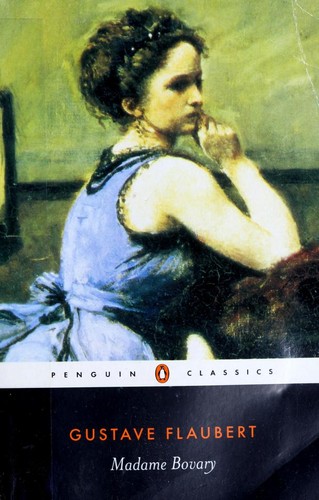
Madame Bovary
by Gustave Flaubert · 1856
A doctor's wife bores herself into debt, affairs, and ruin chasing a romantic ideal she picked up from novels -- and Flaubert never once lets her, or you, off the hook for it.
Worth reading? Madame Bovary is less a story about adultery than a story about the gap between the life someone imagines for herself and the life she actually has, and Flaubert refuses to soften that gap with sympathy. Translation matters here -- Flaubert was obsessive about exact word choice (le mot juste), so a clumsy translation flattens the one thing the book is actually famous for. Get a modern, well-reviewed translation, not a cheap public-domain scan.
| Author | Gustave Flaubert |
|---|---|
| Published | 1856 |
| Publisher | Penguin Classics |
| Category | Fiction |
| Favorite quote | “Human speech is like a cracked kettle on which we tap crude rhythms for bears to dance to, while we long to make music that will melt the stars.” |
The Verdict
Emma Bovary is one of the hardest protagonists in classic literature to like, and that’s the point. Flaubert isn’t asking you to root for her, he’s asking you to watch, closely and without flinching, what happens when someone insists real life deliver the intensity of a novel.
The pacing is deliberate to the point of testing your patience in the middle stretch – this is a book built on precision, not momentum, so don’t expect the plot to hurry.
Read it if you want the book that essentially invented the realist novel and don’t need a heroine you can cheer for. Skip it if you’re looking for narrative propulsion or a sympathetic lead – Flaubert built this one to be admired, not enjoyed in the usual sense.
you want the novel that basically invented literary realism, and you're fine with a protagonist who's difficult to like but impossible to stop watching
you want a sympathetic heroine or a fast plot -- Emma Bovary is meant to frustrate you, and Flaubert's famous precision makes for slow, deliberate pacing, not momentum
Book Summary
Emma Bovary marries a dull, well-meaning country doctor expecting the romance of the novels she read as a girl, and when provincial married life doesn't deliver it, she chases that feeling through affairs, extravagant spending, and increasingly reckless self-delusion.
Flaubert's real target isn't Emma specifically but a kind of romantic consumerism -- the idea that intense feeling is owed to you, and that objects, lovers, and fantasies can manufacture it, which he treats as a trap regardless of who falls into it.
The novel's famous style, close, unsentimental, almost clinical observation of ordinary provincial life, was scandalous and prosecuted for obscenity in its own time precisely because Flaubert refused to moralize at Emma; he just shows the consequences and lets the reader do the judging.
Top 7 Lessons from Madame Bovary
- Emma's affairs and debts aren't framed by Flaubert as romantic rebellion -- they're framed as the logical result of expecting real life to feel like the novels she read as a girl.
- Charles Bovary, Emma's husband, is competent and devoted but fatally unremarkable, and the novel treats his ordinariness as the actual source of Emma's unhappiness, not any real cruelty on his part.
- Flaubert coined, through this book, what critics later called 'bovarysme' -- the tendency to see yourself as a more romantic, more significant character than your actual circumstances support.
- The moneylender Lheureux enables Emma's spiral into debt by extending credit for luxury goods, showing how her fantasy life is subsidized, and eventually destroyed, by real financial mechanisms.
- Flaubert's style, exhaustively revised for the precise word, was itself part of the book's realism project: describing provincial French life with the same rigor usually reserved for tragedy.
- The novel was prosecuted for obscenity and immorality on publication, largely because Flaubert refused to punish Emma with authorial moral commentary the way Victorian convention expected.
- Emma's death by arsenic poisoning is rendered in unflinching physical detail, denying the reader the tidy, dignified death that romantic fiction (the kind Emma loved) would have supplied.
Top 1 Quotes from Madame Bovary
"Human speech is like a cracked kettle on which we tap crude rhythms for bears to dance to, while we long to make music that will melt the stars."
Gustave Flaubert, Madame Bovary
Frequently Asked Questions
Is Madame Bovary worth reading?
Yes, if you want the novel most credited with founding literary realism -- but go in knowing Emma Bovary is written to be difficult to root for, not to be liked.
What is Madame Bovary about?
A provincial doctor's wife whose romantic ideals, absorbed from the novels she read growing up, drive her into affairs and crushing debt as she tries to force her real life to match the fantasy.
Which translation of Madame Bovary should I read?
A recent, well-reviewed one -- Flaubert was famously obsessive about exact wording, so older or public-domain translations tend to flatten the precision that made the book significant.
Is Madame Bovary a feminist novel?
Critics disagree. Flaubert refuses to moralize at Emma, which reads as sympathetic to some and as coldly clinical to others -- the book doesn't hand you a clean answer either way.
Why was Madame Bovary controversial when it was published?
Flaubert was tried for obscenity and offense to public morals, largely because he declined to punish Emma's affairs with the moral commentary Victorian-era readers expected from a novel about adultery.
Ready to read it?
Get Madame Bovary on Amazon