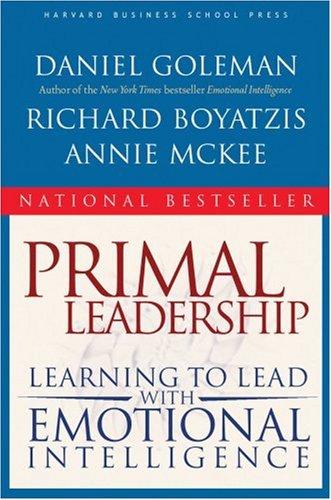
Primal Leadership
by Daniel Goleman, Richard Boyatzis & Annie McKee · 2002
Goleman's follow-up to Emotional Intelligence, applied directly to leadership, and the source of the six-leadership-styles framework still taught in MBA programs.
Worth reading? Primal Leadership's central claim is blunt: a leader's mood is contagious, and it spreads through a team faster and with more impact than any stated strategy. The six leadership styles (visionary, coaching, affiliative, democratic, pacesetting, commanding) and the argument that the best leaders switch between them situationally is more actionable than most leadership books manage. It pairs directly with Emotional Intelligence -- read that first for the underlying research, then this for the applied leadership layer.
| Full Title | Primal Leadership: Learning to Lead with Emotional Intelligence |
|---|---|
| Author | Daniel Goleman, Richard Boyatzis & Annie McKee |
| Published | 2002 |
| Category | Self-Improvement & Psychology |
| Favorite quote | “Great leaders move us. They ignite our passion and inspire the best in us.” |
The Verdict
Goleman’s contagion argument, that a leader’s emotional state spreads through a team before any strategy does, is the kind of claim that seems obvious once stated and is easy to underrate because of that. The six-styles model earns its place in MBA curricula because it’s genuinely diagnostic – most struggling managers are stuck in one style regardless of what the situation actually calls for.
you manage people and want the emotional-intelligence research applied specifically to leadership styles and team mood
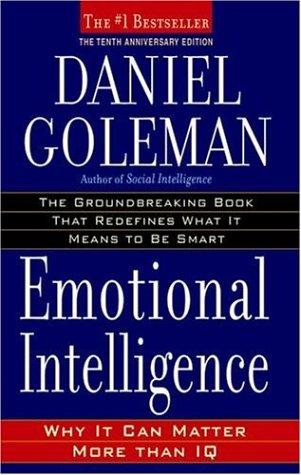
you haven't read Emotional Intelligence yet, this book builds directly on that foundation, and starting here means missing the underlying research base
Book Summary
Emotional states spread through organizations from the top down -- Goleman calls this "primal leadership" because it operates on the same emotional-contagion wiring that made group emotional coordination survival-relevant for early humans. A leader's mood, more than their stated strategy, sets the emotional tone the whole team operates in, for better or worse.
The book's practical framework is six leadership styles, each suited to different situations: visionary (mobilizing toward a shared goal), coaching (developing individuals), affiliative (building emotional bonds), democratic (building consensus), pacesetting (high standards, best used sparingly since it can suppress morale if overused), and commanding (directive, best reserved for genuine crises). Effective leaders, per the research, use several styles fluidly rather than defaulting to one.
Top 7 Lessons from Primal Leadership
- A leader's mood spreads through the team faster and more powerfully than their stated strategy.
- Match leadership style to situation: visionary and coaching for growth, commanding only for genuine crises.
- Pacesetting (leading by personal example at a high standard) works short-term but suppresses morale if overused.
- Affiliative and democratic styles build trust and buy-in but can stall decisive action if overused alone.
- Emotional self-awareness is the prerequisite skill underneath all six leadership styles.
- The best leaders switch fluidly between styles rather than relying on one default mode.
- Resonance (a leader in tune with the group's emotional state) drives performance more reliably than authority alone.
Top 4 Quotes from Primal Leadership
"Great leaders move us. They ignite our passion and inspire the best in us."
Daniel Goleman, Richard Boyatzis & Annie McKee, Primal Leadership
"The fundamental task of leaders... is to prime good feeling in those they lead."
Daniel Goleman, Richard Boyatzis & Annie McKee, Primal Leadership
"Resonant leaders... know when to be collaborative and when to be visionary, when to listen and when to command."
Daniel Goleman, Richard Boyatzis & Annie McKee, Primal Leadership
"IQ and technical skills are important, but emotional intelligence is the sine qua non of leadership."
Daniel Goleman, Richard Boyatzis & Annie McKee, Primal Leadership
Frequently Asked Questions
Is Primal Leadership worth reading?
Yes, if you manage people and have already read Emotional Intelligence. The six leadership styles framework is one of the more practically applicable models in the leadership genre.
What are the six leadership styles in Primal Leadership?
Visionary, coaching, affiliative, democratic, pacesetting, and commanding. Goleman argues effective leaders switch between them based on the situation rather than relying on one default style.
Do I need to read Emotional Intelligence before Primal Leadership?
It's strongly recommended. Primal Leadership applies the emotional intelligence research to leadership specifically, and reading it first without that foundation means missing the underlying evidence.
How is Primal Leadership different from The Leadership Challenge?
Primal Leadership centers specifically on emotional intelligence and mood contagion as the driver of leadership effectiveness. The Leadership Challenge is a broader, five-practice framework built from wider case-study research.
Ready to read it?
Get Primal Leadership on Amazon