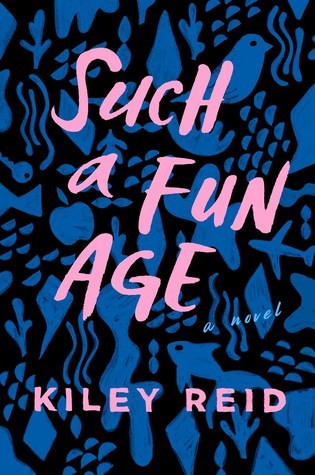
Such a Fun Age
by Kiley Reid · 2019
A Black babysitter is stopped by store security for 'kidnapping' the white toddler in her care, and the aftermath pulls in a well-meaning but self-absorbed employer whose attempts to make things right keep making things worse.
Worth reading? Such a Fun Age is at its best in the discomfort it refuses to resolve. Alix, the white employer, genuinely believes she's an ally, and Reid lets that belief collide again and again with her actual behavior -- performative gestures that serve Alix's self-image more than they serve Emira, the babysitter she claims to care about. The novel doesn't let either character off easy, and it doesn't offer the reader a tidy verdict either, which is exactly the point.
| Author | Kiley Reid |
|---|---|
| Published | 2019 |
| Publisher | G.P. Putnam's Sons |
| Category | Fiction |
The Verdict
Reid’s sharpest move is refusing to make Alix a villain. She’s not cartoonishly racist – she genuinely believes she’s an ally, which is exactly what makes her repeated self-serving behavior toward Emira land harder than outright hostility would.
The novel is funny in its social observation without losing its actual stakes. Emira’s precarity, uninsured, underemployed, genuinely unsure what she wants at 25, keeps getting flattened into a supporting role in Alix’s own self-image, and watching that dynamic play out is uncomfortable in the way good satire should be.
Read it if you want a sharp, character-driven satire about performative allyship, class, and race that resists easy resolution. Skip it if you want characters you can root for cleanly or a tidy moral takeaway – this book won’t give you either.
you want a sharp, uncomfortable social satire about performative allyship, class, and race, told through characters neither fully likable nor fully villainous
you want a book with a clean moral resolution or characters you can root for without reservation -- Reid's satire works precisely because nearly everyone, especially the well-intentioned employer, is complicit in something
Book Summary
The novel opens with Emira, a 25-year-old Black woman working as a babysitter, being confronted by a grocery store security guard who accuses her of kidnapping Briar, the white toddler she's caring for, an incident captured on a bystander's phone that sets the plot in motion.
Alix Chamberlain, Briar's mother and Emira's employer, becomes fixated on the incident and on befriending Emira, a pursuit Reid frames as driven less by genuine concern than by Alix's need to see herself as the kind of progressive white woman who has a close relationship with a Black employee.
A parallel plot thread involves Kelley, a man Emira starts dating who turns out to have his own complicated history with race and performative allyship, and whose connection to Alix's past adds a second layer of dramatic irony the characters themselves are slow to notice.
Reid uses the novel to examine how good intentions and genuine self-awareness aren't the same thing -- Alix and Kelley both believe themselves to be on the right side of racial dynamics while repeatedly treating Emira as a supporting character in their own self-image rather than as a person with her own priorities.
Top 9 Lessons from Such a Fun Age
- Performative allyship -- actions primarily aimed at making the person doing them feel or look like a good ally, rather than genuinely serving the person they claim to help -- is shown as its own distinct problem, separate from more overt racism.
- A person's self-image as progressive or well-intentioned doesn't automatically match their actual behavior, and the gap between the two can cause real harm even without conscious malice.
- Class and economic precarity (Emira is uninsured and underemployed at 25, unlike her more financially secure friends) shape a person's options and vulnerability in ways that intersect with, but aren't identical to, race.
- Being genuinely cared about and being treated as a useful supporting character in someone else's self-narrative can look similar on the surface and feel very different from the inside.
- The novel resists giving its characters, especially Alix, a clean redemption arc -- self-awareness in the book is partial and inconsistent, which is closer to how people actually change (or don't) than a tidy transformation would be.
- Public incidents involving race, once captured and shared, can take on a life and narrative of their own that doesn't necessarily serve the person most directly affected by them.
- Emira's friend group, other Black women in their mid-twenties navigating careers and stability, sharpens the class contrast between her precarity and Alix's inherited financial security.
- The novel uses Briar, the toddler, as more genuinely and uncomplicatedly affectionate toward Emira than either adult, which highlights how self-interested the grown-ups' motives are by comparison.
- The store security incident is deliberately left without legal or narrative resolution, since the novel cares more about what happens after such incidents than about a courtroom-style ending.
Frequently Asked Questions
Is Such a Fun Age worth reading?
Yes -- it's a sharp, uncomfortable satire about performative allyship and class that doesn't let its characters, or its readers, off with an easy resolution.
What is Such a Fun Age about?
A Black babysitter is wrongly accused of kidnapping the white toddler in her care, and her well-meaning employer's fixation on making things right ends up centering herself rather than the babysitter.
Is Such a Fun Age a comedy or a drama?
It's a social satire with real dramatic and emotional weight -- funny in its observations, but serious in what it's examining.
Does Such a Fun Age have a clear villain?
No -- Reid deliberately avoids clean heroes and villains, making even the well-intentioned employer complicit in ways the novel doesn't resolve neatly.
Ready to read it?
Get Such a Fun Age on Amazon