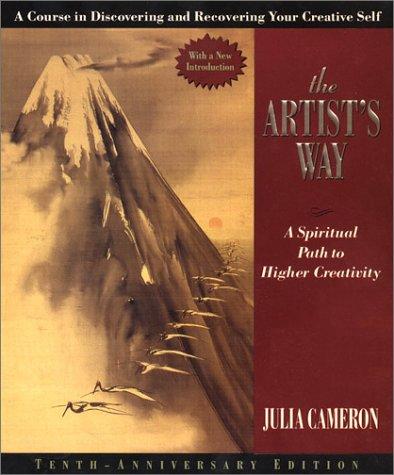
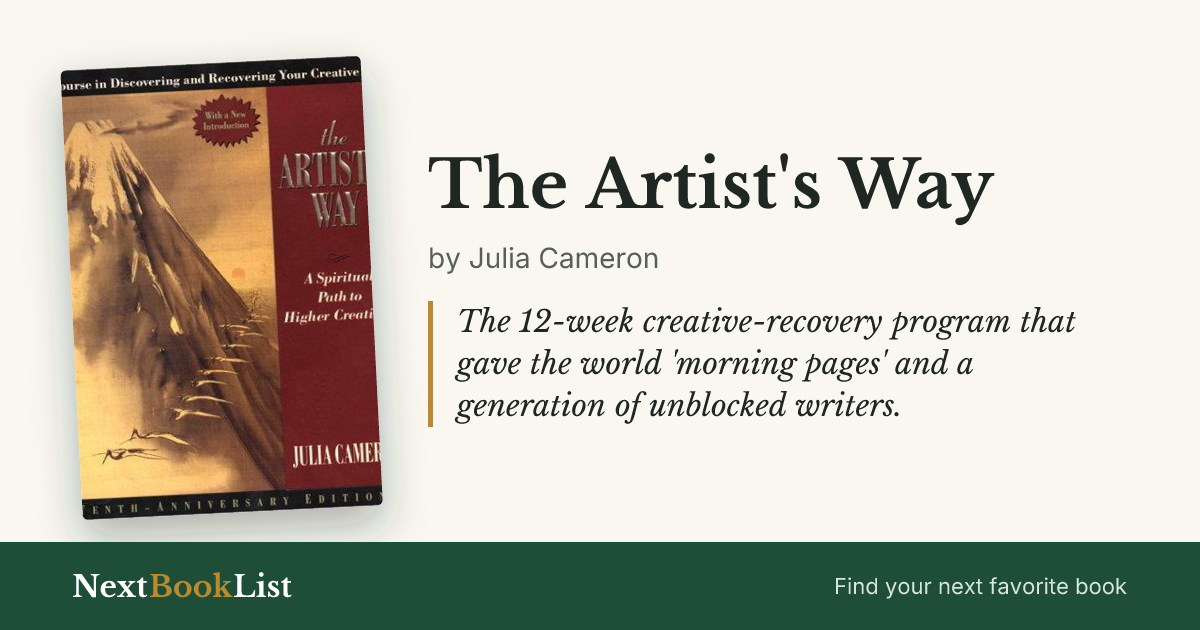
The Artist's Way
by Julia Cameron · 1992
The 12-week creative-recovery program that gave the world 'morning pages' and a generation of unblocked writers.
Worth reading? The Artist's Way is a workbook disguised as a self-help book, and it works because it insists on daily practice: three pages of longhand morning pages and a weekly solo 'artist date,' every week, for twelve weeks. The spiritual language turns some readers off, but the mechanics underneath -- unblocking creativity through consistent, low-stakes daily output -- are practical no matter what you call the source. If you want the practice without buying the book, morning pages alone are worth adopting.
| Full Title | The Artist's Way: A Spiritual Path to Higher Creativity |
|---|---|
| Author | Julia Cameron |
| Published | 1992 |
| Category | Self-Improvement & Psychology |
| Favorite quote | “Leap, and the net will appear.” |
The Verdict
Cameron’s genuine contribution is morning pages, a practice that’s outlived the book itself and shows up, often uncredited, in productivity and creativity advice thirty years later. The full 12-week structure asks for real commitment, but even lifting just the morning-pages habit out of it delivers most of the value.
you're creatively blocked and want a structured, daily-practice program to work through it, not just inspiration
you want something secular and fast. Cameron's language is spiritual (she uses 'God' freely, reframable as 'creative energy'), and the full program is a genuine 12-week commitment
Book Summary
Creative blocks are usually not a talent problem, they're a fear and self-criticism problem, and the fix is consistent, low-pressure practice rather than waiting for inspiration or permission. Morning pages -- three handwritten pages, first thing, with no editing and no audience -- exist specifically to get the inner critic out of the way before the day's real thinking starts.
Cameron also argues creativity needs to be fed, not just expressed: the weekly "artist date," a solo outing to fill your own creative well, treats input (curiosity, play, new experience) as just as necessary as output. Most people burn out creatively because they only ever draw from the well and never refill it.
Top 7 Lessons from The Artist's Way
- Write three longhand morning pages daily, with no editing and no audience, to clear the inner critic.
- Take a weekly solo 'artist date' to refill creative input, not just produce output.
- Creative blocks are usually fear-based, not talent-based.
- Treat creativity as a practice with a schedule, not a mood you wait to feel.
- Perfectionism is a disguised form of fear, not a high standard.
- Jealousy of another person's creative success is a map pointing to what you actually want.
- Protect your creative time the way you'd protect any other serious commitment.
Top 3 Quotes from The Artist's Way
"Leap, and the net will appear."
Julia Cameron, The Artist's Way
"The refusal to be creative is self-will and is counter to our true nature."
Julia Cameron, The Artist's Way
"Blaming is a way to stay stuck."
Julia Cameron, The Artist's Way
Frequently Asked Questions
Is The Artist's Way worth reading?
Yes, especially if you actually do the twelve-week program rather than just reading it passively. Morning pages alone are worth adopting even if you skip everything else.
What are morning pages?
Three handwritten pages, done first thing every morning, with no editing and no audience -- a practice from The Artist's Way designed to clear mental clutter and quiet the inner critic before real work starts.
Is The Artist's Way religious?
It's spiritual rather than religious in a specific-faith sense. Cameron uses the word 'God' freely but explicitly says readers can substitute any term for a creative source they're comfortable with.
Is The Artist's Way just for artists?
No. It's used by writers, entrepreneurs, and anyone dealing with a creative or motivational block, not just professional artists.
Ready to read it?
Get The Artist's Way on Amazon